


Squats are among the most effective compound lower-body exercises to build functional leg strength, tone glutes, and engage your core. However, performing deep bodyweight squats with proper posture can be challenging—especially if knee stiffness, lower-back strain, or limited ankle mobility hold you back from everyday activities. Instead of setting up a bulky squat rack at home, having dedicated assistance makes consistent training far more approachable.
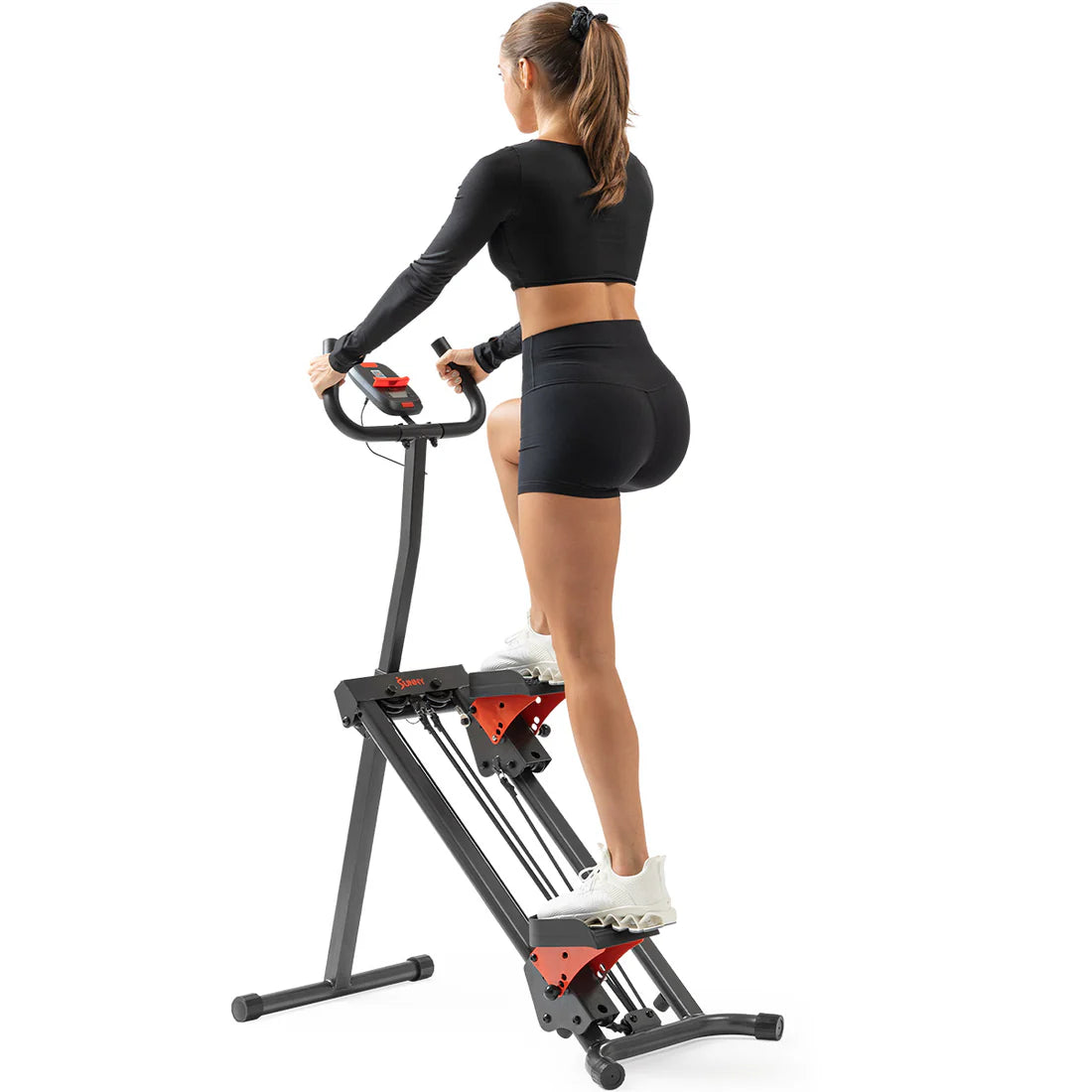
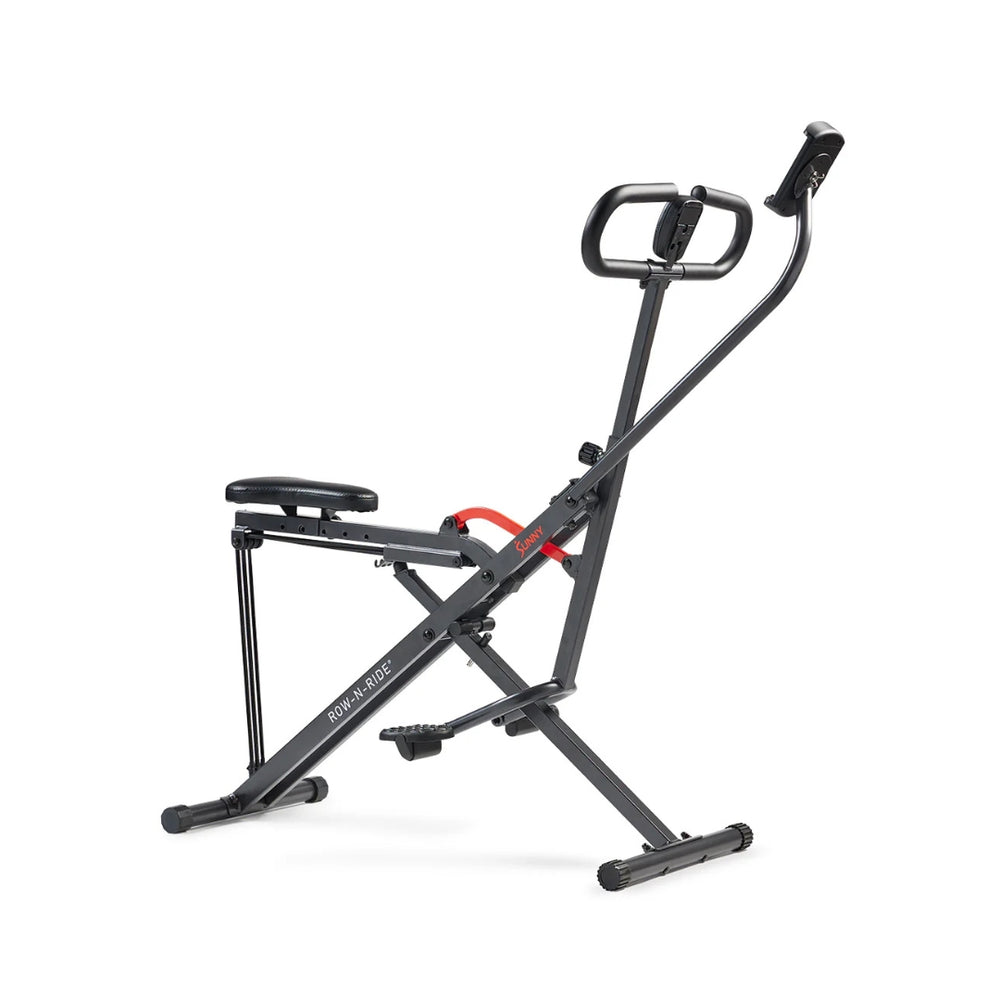
The Upright Row-N-Ride® Squat Assist Trainer solves this by pairing mechanical squat guidance with a compound upper-body row. This versatile home gym machine allows you to strengthen your legs, tone your back, and elevate your cardiovascular endurance in one fluid movement. It is an ideal tool to help you stay active, support weight loss, and build long term vitality from home.
Whether you want to build strength, burn calories, or master squat mechanics as part of an exercise program, this guide covers everything you need to know.
Smart Upright Row-N-Ride® Squat Trainer
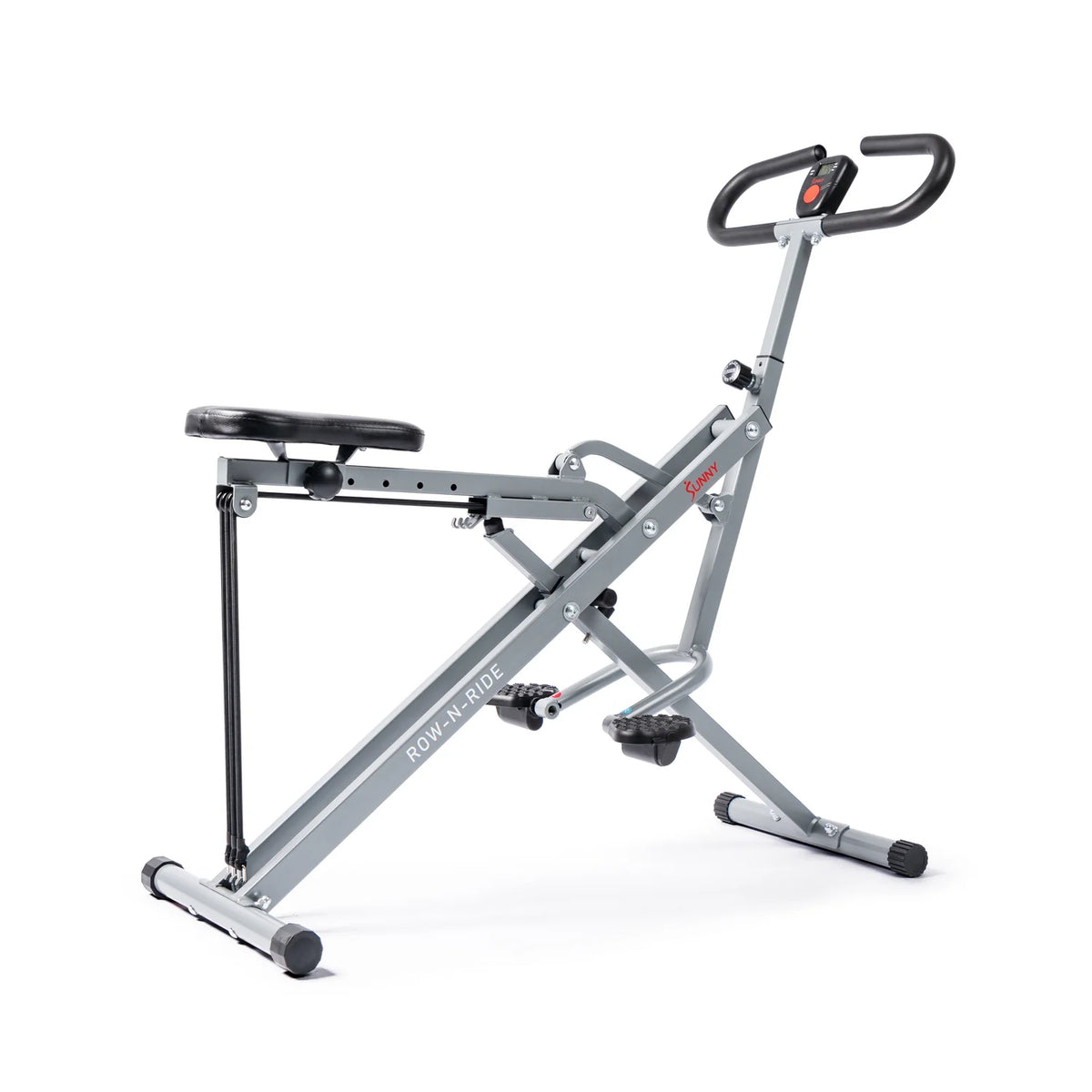
Protect your knees while targeting glutes, quads, and back. Features 3 adjustable resistance bands and ergonomic multi-angle seat pitch.
Shop Row-N-Ride Trainer
What Is the Upright Row-N-Ride® Machine?
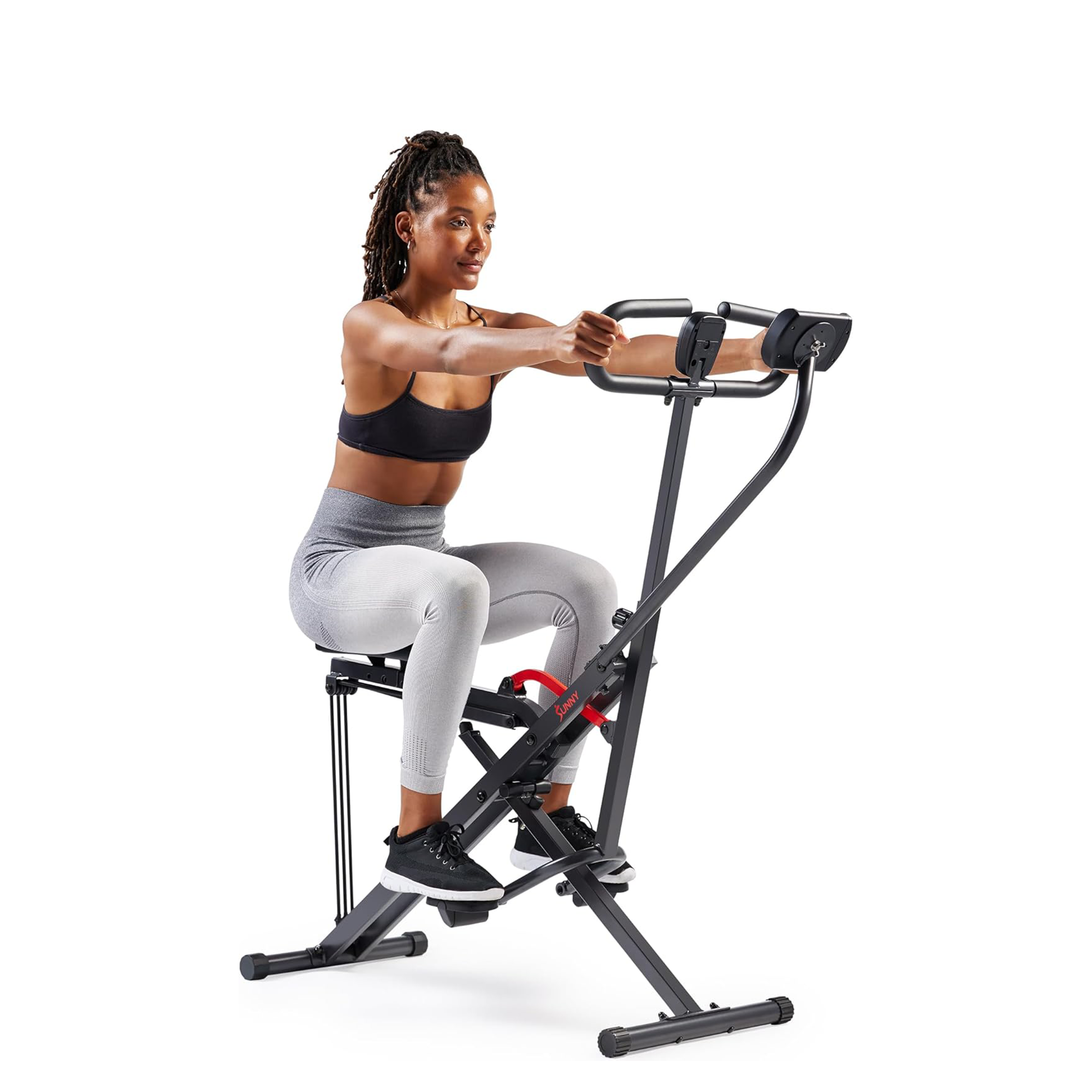
The Row-N-Ride® is a dual-action squat assist trainer engineered to relieve excessive joint pressure while guiding you through a full range of motion.
Unlike standard squats—where your joints absorb your complete body weight at the bottom—this machine features an angled, padded seat attached to elastic resistance bands. As you descend, the bands provide gentle upward assistance, guiding your hips back and down. As you drive through your heels to stand, you pull the handlebars towards your chest in a smooth rowing motion.
This type of exercise delivers compound movements that recruit upper and lower muscle groups simultaneously. The result is a low-impact, full-body workout machine that builds lean muscle and promotes proper posture while reducing the risk of joint strain associated with heavy barbells or high-impact training.
Key Health Benefits of Squat Assist Training
Adding squat assist workouts to your home routine offers practical health benefits (and if you are questioning the focus on legs, explore our guide on why training legs is so important):
Joint-Friendly Knee Protection
The guided track keeps your knees safely behind your toes, reducing patellar shear and preventing joint irritation.
Compound Conditioning
Strengthen your quads, hamstrings, glutes, and calves while rowing engages your lats, traps, and core.
Progressive Resistance
Independent bands offer scalable tension, taking you from gentle rehab mobility to muscle-building strength.
Compact, Foldable Frame
Folds flat in seconds so you can slide it under a bed or stand it inside a wardrobe when finished.

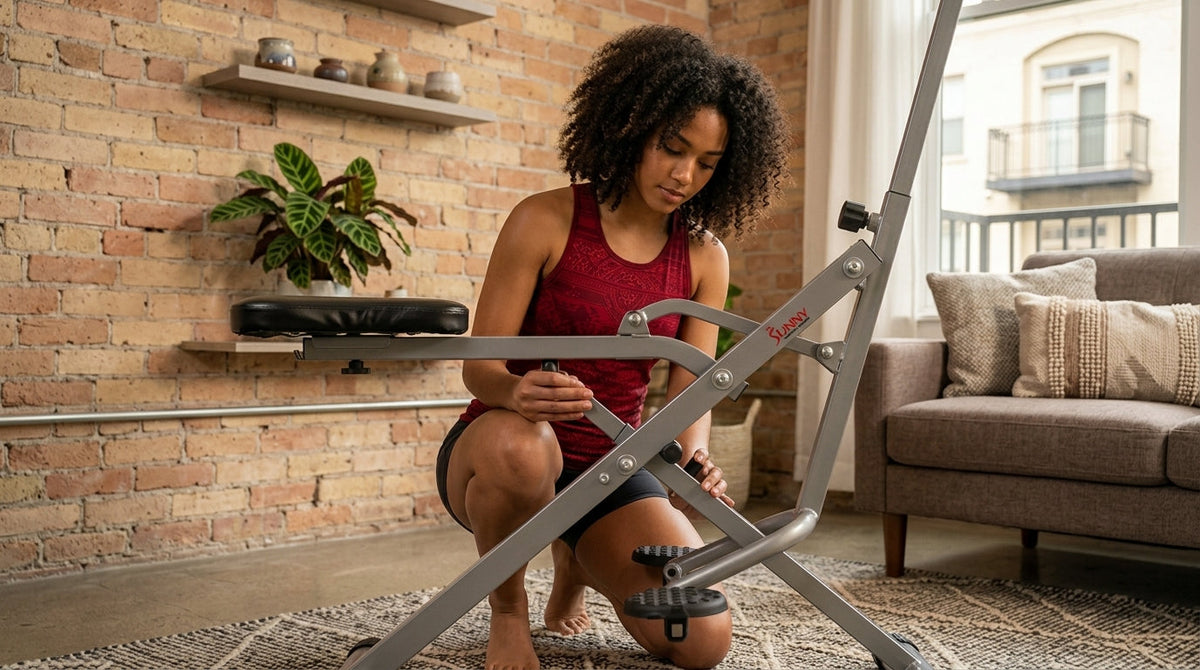
How To Adjust Your Row-N-Ride
Calibrating the machine to your height takes two minutes and ensures proper mechanics:
- Padded Seat Distance & Angle: Loosen the seat knob to position the saddle so your knees form an approximate 90-degree angle at the bottom of the squat. Tilt the seat pitch (30, 60, or 90 degrees) to shift emphasis between quad development and deeper glute recruitment.

- Handlebar Height: Set the handlebars at mid-chest height. Use an overhand grip for your upper back and shoulders, an underhand grip for biceps, or a narrow neutral grip for stability.
- Resistance Levels: Using elastic resistance bands allows you to customize the ascent: attach 3 bands for maximum upward assistance and easier squats (best for beginners), 2 bands for balanced endurance, or 1 band (or none) to force your legs to drive your own body weight with minimal help.

How To Target Your Glutes
You can use the Row-N-Ride machine to effectively target the glutes to tone, firm, and shape your hips and backside. Squats are a compound movement rather than an isolated exercise, meaning they recruit a variety of muscle groups simultaneously. When squatting, you engage your glutes alongside your quads, hamstrings, core muscles, hip flexors, and back. Applying purposeful adjustments helps you isolate and recruit your glutes to their full potential.
1. Mindful Glute Activation
For those who sit for long stretches of the day, glute muscles often become underactive. Because of this, they do not always fire efficiently during training. Developing a strong mind-to-muscle connection is vital for complete activation. Before starting your main working sets, warm up your glutes directly on the machine by performing upper-zone quarter squats, or prime your hips with quick resistance band exercises to focus on consciously squeezing your glutes through the entire movement.
2. Maximise Hip Extension
Peak glute contraction occurs during hip extension—the moment you stand up tall from a squat, press your hips forward, and squeeze your glutes. The resistance curve on the Row-N-Ride reaches its peak at full hip extension at the top of the stroke. Take full advantage of this design by locking out the hips cleanly and holding that glute squeeze on every ascent.
3. Incorporate Deep Squats
While shallow squats have their place in warm-ups, completing deep squats on the Row-N-Ride generates maximum muscle recruitment. Moving through an expansive, deep range of motion forces your glutes, hamstrings, and calves to work significantly harder than in a standard 90-degree squat. Ensure you finish each deep rep with complete hip extension at the top.
Squat Variety on the Row-N-Ride
In everyday life, our bodies move in multiple planes and angles. Challenge your glutes from different directions by incorporating variety into your routine:
- Squat Depths & Pulses: Alternate between full deep squats, isometric seat-loaded holds, and short bottom pulses.
- Plié Squats: Flare your feet outward on the pedals to emphasise the inner thighs and gluteus medius.
- Single-Leg (Pistol) Squats: For advanced lifters, single-leg squats provide intense unilateral glute overload.
Off-Machine & Posterior Chain Exercises
You can also perform creative glute-focused movements beyond standard squats (or pair this with Roman chair glute exercises for complete posterior chain stability):
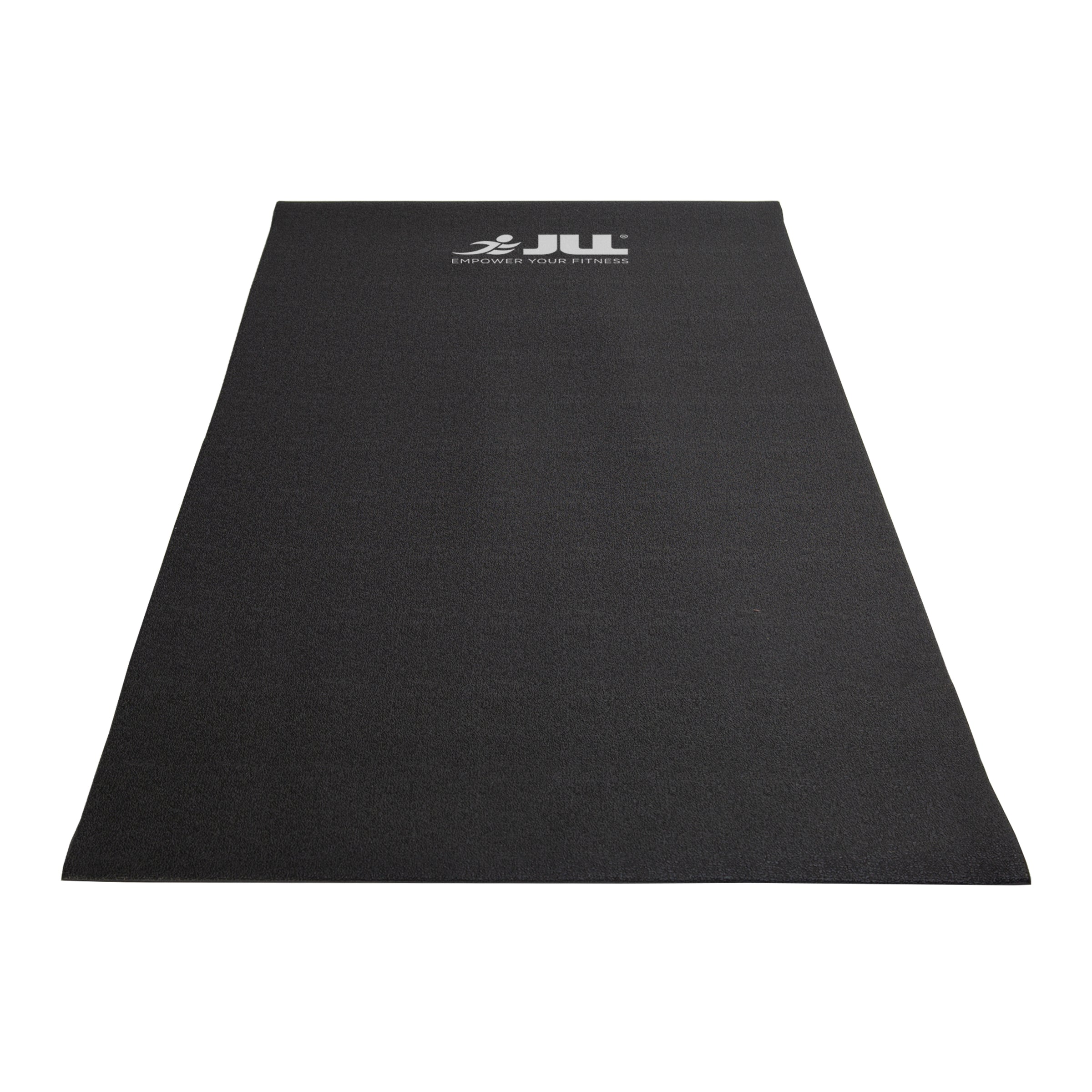
- Glute Bridges: Lie on your exercise mat behind the unit with your feet braced against the pedals, driving your hips towards the ceiling against the band tension.
- Stiff-Legged Deadlifts: Stand on the rear stabiliser frame and lift the padded seat upwards, hinging through your hips to target the hamstrings, glutes, and lower back.
- Progressive Overload: To stimulate muscle tone and growth over time, introduce a gradual increase in working resistance—either by reducing band assistance during squats or adding bands during pulling and bridge movements—to keep building strength.
How to Store Your Row-N-Ride
One of the greatest advantages of the Upright Row-N-Ride is its space-saving engineering. Unlike bulky commercial squat racks or permanent cardio machines, this unit folds down effortlessly so you can reclaim your living space the moment your workout finishes.
Folding & Storage in 3 Simple Steps
Follow this quick routine to collapse and store your machine safely:
- Lower the Saddle: Loosen the seat adjustment knob and tilt the padded seat down flush against the central frame.
- Collapse the Handlebar Mast: Remove the locking safety pin located near the base of the front support frame, then fold the handlebar stem backwards towards the main rail.
- Secure and Stow: Reinsert the safety pin into the folded locking hole to keep the frame rigid during transit. At just under 11 kg, you can effortlessly slide the collapsed unit flat under a bed or stand it upright against a wardrobe wall.
Horizontal Under-Bed Storage
When folded completely flat, the machine has a low profile of approximately 25 cm in height, making it ideal for sliding underneath standard bed frames or beneath a sofa.
Vertical Cupboard Stowing
For tight flats and box rooms, stand the folded trainer upright against an interior wardrobe wall or behind an open doorway to keep your floor area completely clear.
Frequently Asked Questions
Is the Row-N-Ride® safe for bad knees?
Yes. The assisted ascent and guided seat angle prevent knees from tracking too far forward, easing patellar stress. If rehabilitating from an injury, consult a physical therapist before beginning any new type of exercise.
Can you build glutes with a squat assist machine?
Yes. Tilt the saddle backward, widen your stance, and drive through your heels, squeezing your glutes at the top. Apply a gradual increase in training volume or reduce band assistance to drive hypertrophy.
How does this compare to a traditional rowing machine?
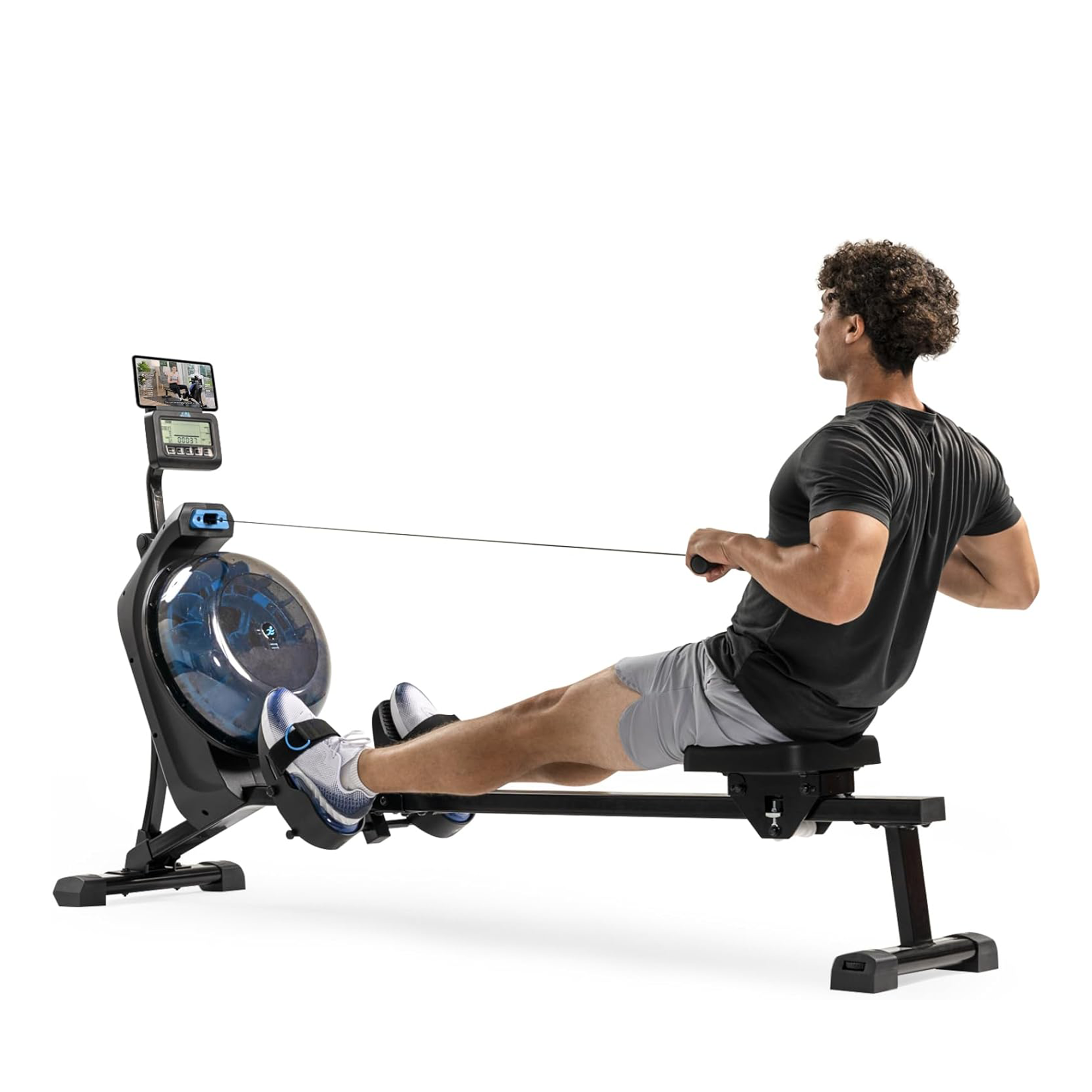
Unlike a standard rower designed for low-impact horizontal cardio, the Row-N-Ride® is a vertical squat trainer built for lower-body muscle sculpting and posture correction while delivering steady cardio burn.
How often should beginners train?
Aim for 3 to 4 times a week in 15-minute sessions. As fitness improves, introduce a gradual increase in duration or combine it with weight training in a structured exercise program to stay active and healthy.



Leave a comment
All comments are moderated before being published.
This site is protected by hCaptcha and the hCaptcha Privacy Policy and Terms of Service apply.