


If you are planning to build a home gym, you have likely asked yourself: "Do I really need a squat rack?"
It is one of the most common dilemmas for British fitness enthusiasts embarking on a new fitness journey. A high-quality squat stand, half rack, or full power cage is a significant investment. It commands a fair amount of floor space, requires a decent budget, and means you will also need to invest in a proper Olympic barbell and weight plates to fully utilise your training session.
So, is it an absolute necessity if you want to lift weights to build a powerful, muscular physique, or can you reach your fitness goals using alternative types of exercise and lighter fitness equipment?
This comprehensive guide breaks down the pros, cons, safety factors, and alternatives to help you decide if a squat rack deserves a spot in your home or garage gym.
What Does a Squat Rack Actually Do?
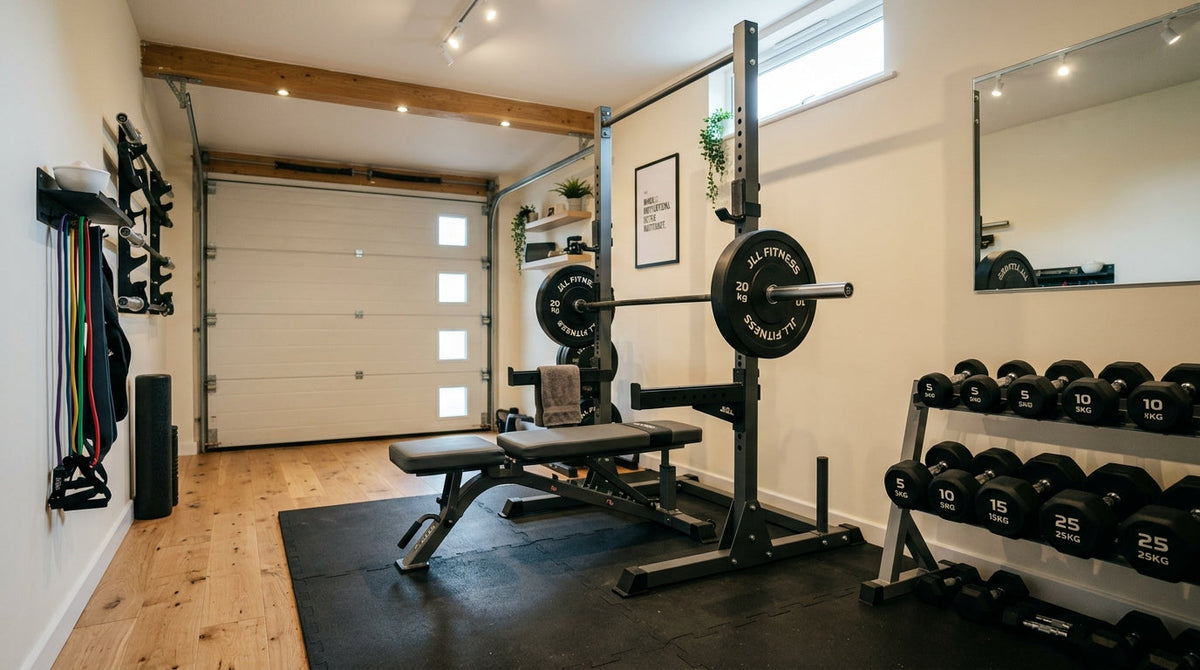
At its core, a squat rack (or power rack) is a structural safety system designed to hold a loaded barbell at shoulder height. This allows you to step under the bar, lift it off the hooks (known as J-hooks), and safely perform heavy compound movements.
Without a rack, your squatting potential is physically limited by how much weight you can clean from the floor and lift over your head to rest on your shoulders.
When You Do Need a Squat Rack
For certain lifters, skipping the squat rack is simply not an option. You should consider a rack an essential piece of home fitness equipment if you fall into any of the following categories:
1. Your Goal is Maximum Strength & Powerlifting
If your goals involve hitting heavy compound lifts to build strength, a rack is non-negotiable. To achieve progressive overload safely, you must be able to lift heavy. A rack with adjustable safety spotter arms (or a full power cage) is the only way to perform these heavy lifts at home without a training partner.
2. You Want to Train Safely to Failure
Building muscle (hypertrophy) often requires pushing your sets close to mechanical failure. If your muscles give out at the bottom of a heavy back squat or barbell bench press, safety spotter arms will catch the bar, preventing catastrophic risk of injury.
3. You Want a Versatile "All-in-One" Gym Station
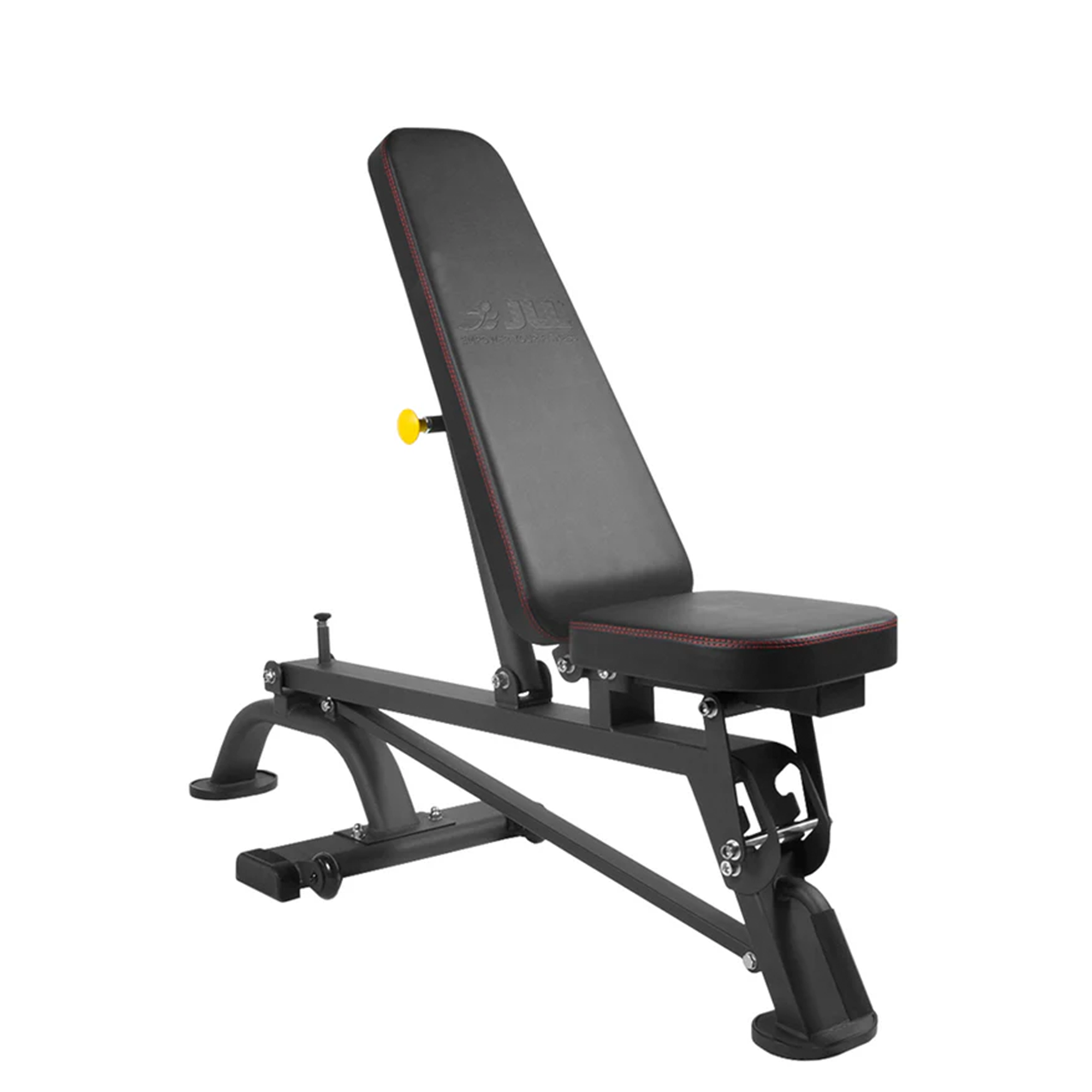
Many people do not realise that a squat rack is incredibly versatile. When paired with an adjustable weight bench (like the JLL B200), a single rack transitions into:
- A flat, incline, or decline barbell bench press station.
- A station for heavy overhead presses to target your shoulders.
- A back-building station (most cages feature an integrated pull up bar).
When You Don't Need a Squat Rack
Despite its benefits, a squat rack is not mandatory for everyone, regardless of your current fitness level. You can easily bypass buying one if you fit these scenarios:
1. You Focus on Functional Fitness and High-Rep Cardio
If your workout routine is built around kettlebell swings, dumbbell lunges, or high-intensity aerobic exercise to lose weight, a squat rack will likely end up acting as an expensive coat hanger.
2. You are Highly Space-Constrained
If you live in a compact city apartment or do not have a dedicated garage gym conversion, a full power cage simply isn't practical. In these cases, space-saving alternatives like dumbbells or resistance bands are far more realistic.
3. You Prefer Free Weights and Dumbbell Training
You can build incredible lower-body strength, quad size, and core stability without ever putting a heavy barbell on your back. Exercising with free weights allows for excellent joint natural alignment and movement freedom.
Top Squat Rack Alternatives (No Rack Required)
If you decide to skip the rack, you can still target every major muscle group in your legs using these highly effective, barless types of exercise as part of your resistance training:
1. Bulgarian Split Squats (Dumbbell)
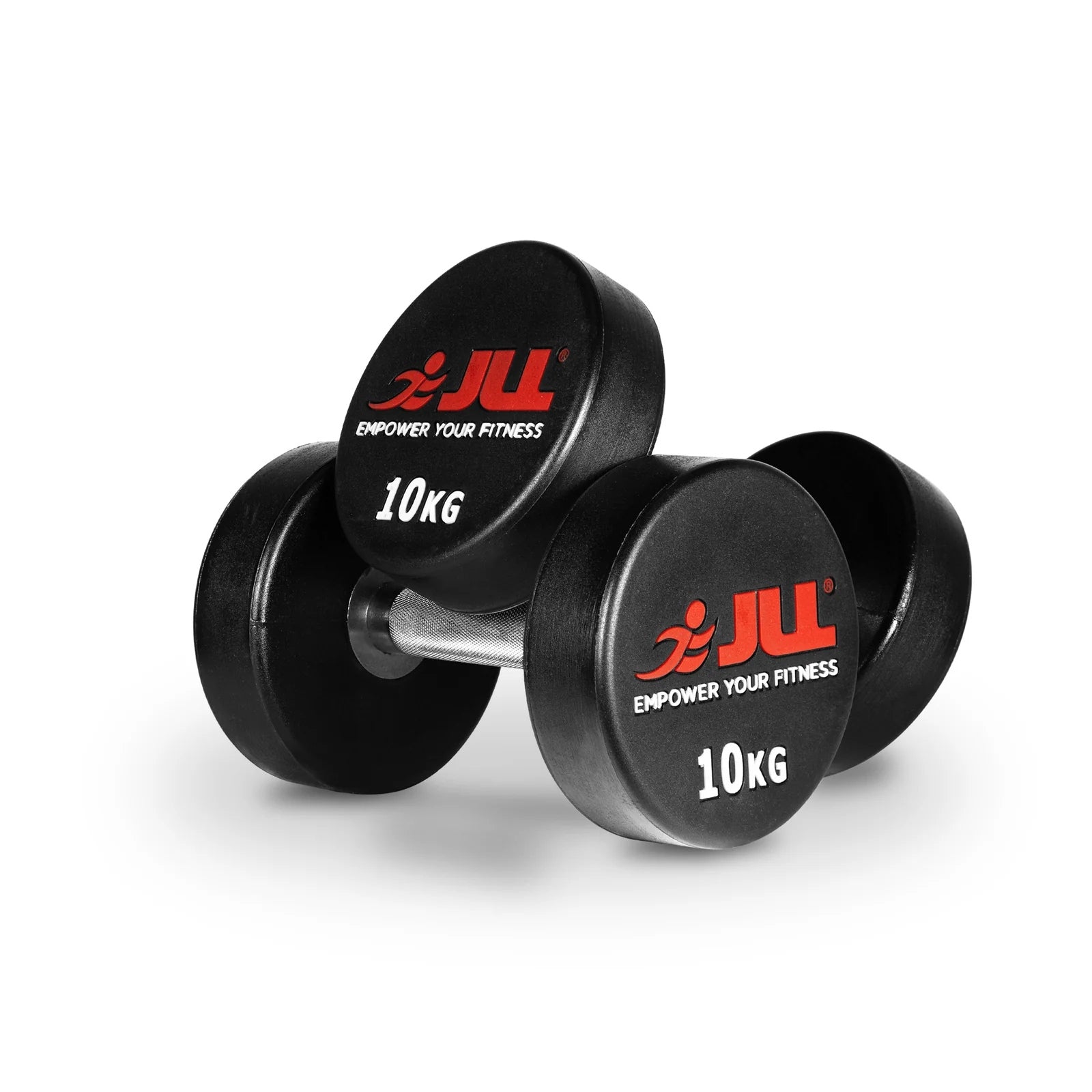
Often dubbed the king of unilateral leg training, the Bulgarian split squat is easily the best alternative to back squats. By placing one foot behind you on a flat weight bench and holding a pair of heavy rubber hex dumbbells, you place an immense load directly onto your quads and glutes. Because you are training one leg at a time, you require far less total weight to trigger muscle growth, keeping your spine safe.

2. Goblet Squats (Kettlebell or Dumbbell)
Holding a single heavy dumbbell or kettlebell against your chest forces you to maintain an upright torso. It is an exceptional form of exercise for building deep hip mobility, strengthening the anterior core, and helping you burn calories to lose weight.

3. Dumbbell Lunges
Whether you perform walking lunges or reverse lunges, this is a brilliant weight-bearing exercise to improve balance, build lower-body power, and stimulate bone density without compressing your spine. Doing these two to three times a week will yield noticeable muscular adaptations.

How to Choose: Squat Racks vs. Dumbbells
If you are trying to decide how to allocate your home gym budget, consider this quick comparison:
| Feature | Squat Rack & Barbell Set | Heavy Dumbbell Set & Bench |
|---|---|---|
| Max Strength Potential | High (Unmatched for heavy lifting) | Medium (Limited by grip/mounting weight) |
| Floor Space Required | Large (Requires ~2-3 square metres) | Very Low (Especially with adjustable models) |
| Budget Barrier | High (Rack + Barbell + Plates) | Low to Medium |
| Versatility | Excellent (Bench, Pull-Ups, Squats) | Great (Isolateral movements, high variety) |
| Safest for Solo Training | Yes (With safety spotter arms) | Yes (Easy to drop dumbbells safely) |
Frequently Asked Questions (FAQ)
Can I do barbell back squats without a rack?
It is not recommended to do heavy barbell back squats without a rack. Clean-pressing a heavy barbell over your head to rest on your back is highly dangerous and dramatically increases your risk of injury to the shoulders, neck, and spine. If you do not have a rack, stick to front-loaded variations like goblet squats or front squats cleaned from the floor.
Is a squat rack bad for your knees?
No, squatting in a rack is not inherently bad for your knees. In fact, squats are functional movements that build tendon strength and support joint longevity. A squat rack actually improves knee safety by allowing you to set up with proper, controlled form rather than awkwardly hoisting a weight into position.
How much space do I need for a home squat rack?
Ideally, you need an area of at least 2.5m x 2.5m. While the footprint of the rack itself might only be 1.2m wide, you must account for the length of a standard Olympic barbell (which is 2.2m or 7ft long) to ensure you don't hit your walls when loading weight plates.
What is the difference between a squat stand and a power cage?
A squat stand consists of two independent metal uprights (or a linked slim frame) designed primarily to hold the bar. A power cage (or power rack) is a fully enclosed four-post steel box. Power cages are larger and more expensive, but they offer vastly superior safety because they have integrated, heavy-duty safety bars to catch the weight if you fail.
Can I build big legs with just dumbbells?
Absolutely. By focusing on unilateral (single-leg) exercises like Bulgarian split squats, walking lunges, and step-ups, you can place a massive mechanical tension on your leg muscles without needing a heavy barbell.






Leave a comment
All comments are moderated before being published.
This site is protected by hCaptcha and the hCaptcha Privacy Policy and Terms of Service apply.