



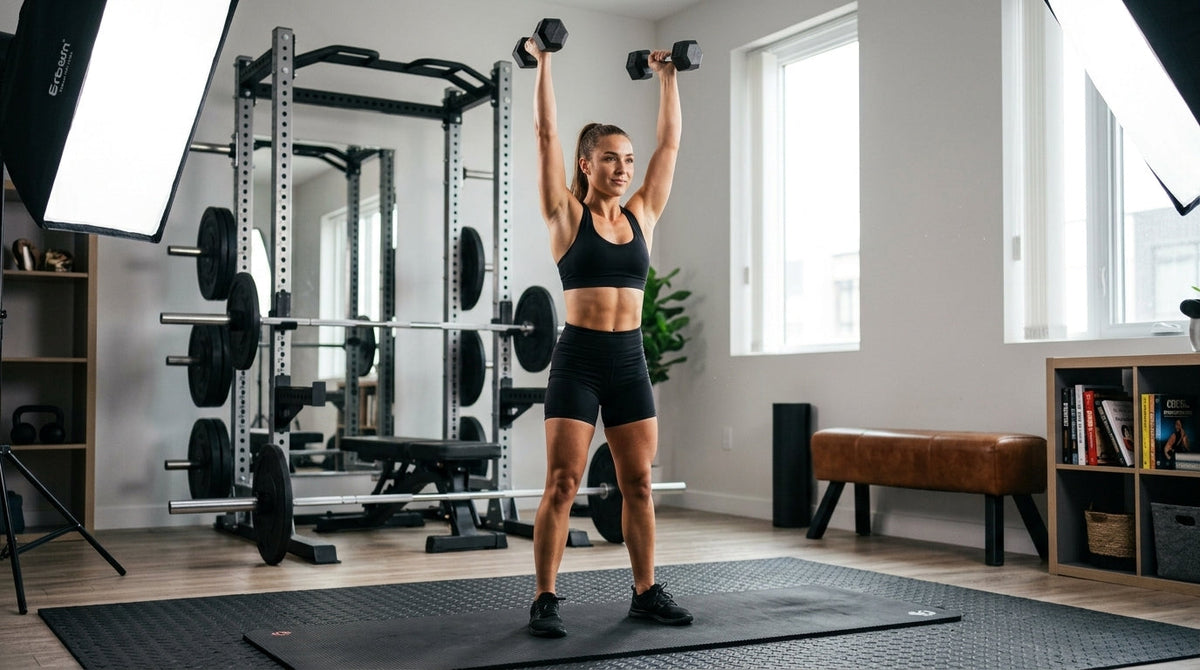
Short on time but want a high-calorie burn that strengthens your midsection without doing a single crunch? This 15-minute aerobic step and standing core workout combines low-impact cardio intervals with functional core training to accelerate losing weight, boost cardiovascular endurance, and sculpt your midsection.
Whether you are just increasing your daily activity levels or looking for an intense workout to complement lifting weights, an aerobic step platform delivers an efficient, full-body sweat session useful to all fitness levels.
- Total Time: 15 Minutes (1m warmup, 13m circuit, 1m cooldown)
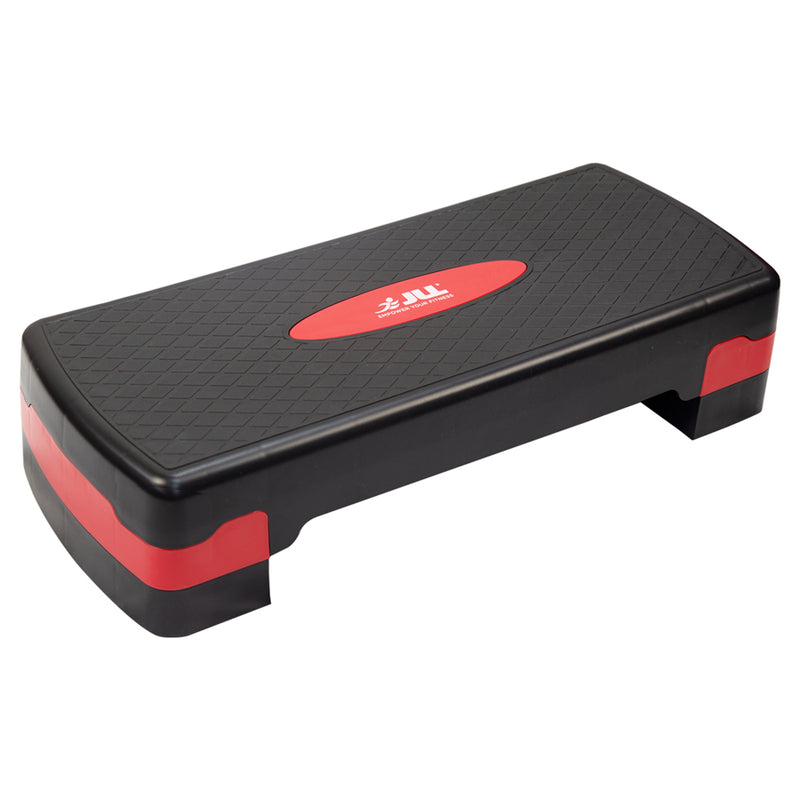
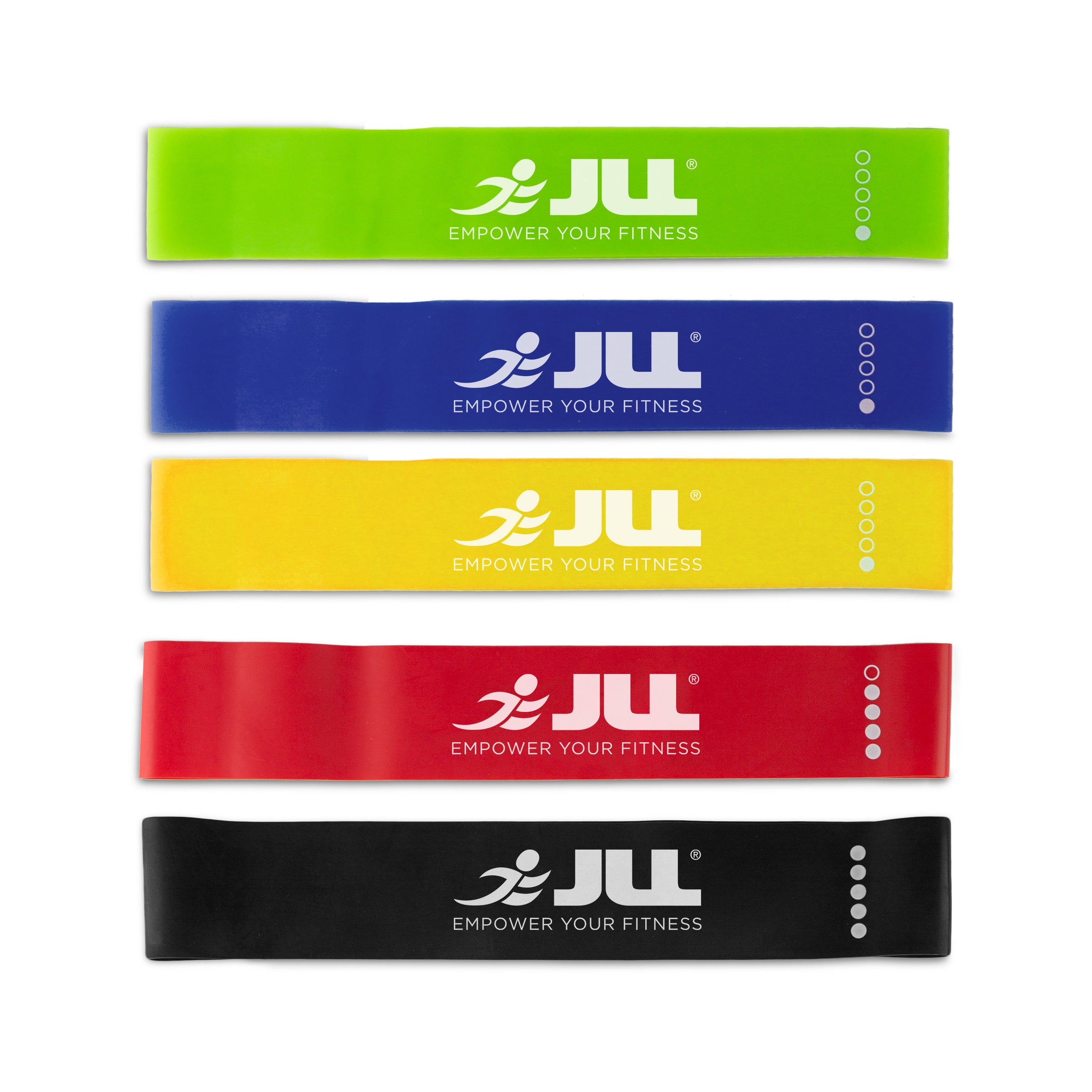
- Equipment: Aerobic step/platform & supportive shoes (Optional: resistance band)
- Target Areas: Deep core, obliques, glutes, quadriceps, and hip flexors
- Format: HIIT (45s work / 15s active recovery across 6 exercises)
Why Personal Trainers Recommend Step & Standing Core
Many personal trainers program standing abdominal routines over traditional floor crunches because they bridge the gap between cardiovascular conditioning and resistance training. Regular participation in these moderate-to-high intensity activities offers distinct physiological benefits:
- Functional Strength & Building Muscle: Standing drills mimic real-world movement—twisting, reaching, and stabilising your spine under gravity—which stimulates deep core stabilisers while building muscle in the lower body.
- Joint & Tissue Health: Stepping stimulates bone density and strengthens the connective tissues surrounding the ankles, knees, and hips with minimal joint impact.
- Metabolic Health: Elevating your heart rate across a concentrated period of time enhances insulin sensitivity, making it an effective tool for managing or preventing type 2 diabetes.
The 15-Minute Step & Standing Core Routine
Warmup (1 Minute)
Perform 30 seconds of rhythmic basic step-ups followed by 30 seconds of high knees with overhead arm reaches to prime your nervous system and lubricate your joints.
Phase 1: Dynamic Cardio & Abdominal Activation (Minutes 2–7)
Move 1Step-Up with High Knee Drive & Twist
Target: Lower abs, rectus abdominis, hip flexors, glutes
- Face the step platform. Step up firmly with your right foot.
- As you rise, drive your left knee up toward chest height while rotating your torso so your right elbow meets your left knee.
- Step down with the left foot, return to the start position, and switch leading legs.
- Continue alternating sides for 45 seconds.

Move 2
Lateral Step-Overs with Cross-Body Chops
Target: Obliques, transverse abdominis, lateral hip stabilisers
- Stand to the left of the step with your arms straight overhead, clasping your hands together.
- Step laterally onto the bench with your right foot, follow with your left, and chop your arms diagonally across toward your right hip.
- Step down on the opposite side, bring your arms straight up, and reverse the diagonal chop.
- Move laterally side-to-side with continuous control for 45 seconds.
Move 3
Power Straddle Jacks
Target: Core stability, cardiovascular endurance, adductors, abductors
- Stand with your feet hip-width apart on top of the step platform, bracing your core.
- Jump or step down into a wide straddle squat on either side of the bench.
- Quickly pop back up to return to the start on top of the platform.
- Maintain a fast, rhythmic cadence for 45 seconds.
Phase 2: Rotational Power & Deep Core Toning (Minutes 8–14)
Move 4Step Tap with Speed Bag Arms & Standing Oblique Crunch
Target: Lateral obliques, shoulders, upper abdominals
- Stand behind the step. Step up with the right foot and tap the left foot lightly on the platform.
- Perform a crisp side crunch by drawing your right elbow down toward your right hip while keeping your chest open.
- Step down to return to the start, then repeat on the opposite side while circling your hands in a fast speed-bag motion.
- Continue alternating for 45 seconds.
Move 5
Corner-to-Corner Repeater Knees
Target: Lower abdominals, hip flexors, dynamic balance
- Step onto the front-left corner of the platform with your left foot.
- Keep your arms straight overhead, then pull your hands down as you drive your right knee toward your chest 3 times in rapid succession.
- Step down, transition to the right corner, and complete 3 repeater knee drives with the left leg.
- Alternate corners continuously for 45 seconds.
Move 6
Fast Toe Taps with Core Vacuum Holds
Target: Transverse abdominis (deep core), agility, calf conditioning
- Stand with your feet 6 inches behind the platform and pull your belly button inward toward your spine.
- Alternate tapping the front edge of the step platform with your toes as quickly as possible.
- Keep your torso upright and your deep core braced throughout the entire 45-second interval.
Cooldown & Core Stretch (Minute 15)
Step off the platform and stand with your feet shoulder-width apart. Perform lateral side stretches holding each side for 15 seconds, followed by 30 seconds of standing thoracic cat-cow stretches to decompress the spine.
Form and Safety Tips
- Full Foot Placement: Plant your entire foot on the platform to protect the Achilles tendon and surrounding connective tissues.
- Posture First: Avoid slouching or hyperextending your lumbar spine during high-intensity knee drives.
- Progressive Overload: Increase the platform height or loop a light resistance band around your ankles to advance the routine as your fitness levels improve.
Frequently Asked Questions (FAQ)
Can this 15-minute workout help with losing weight?
Yes. While nutrition is the primary driver of fat loss, this high-energy routine burns significant calories, accelerates metabolic rate, and helps maintain the caloric deficit required for losing weight.
How does this routine benefit individuals with type 2 diabetes?
Engaging in moderate-to-vigorous intensity activities recruits large skeletal muscle groups, which directly enhances glucose uptake and improves insulin sensitivity over a sustained period of time.
Can I combine this session with lifting weights?
Absolutely. You can use this routine as an effective cardiovascular warmup before resistance training, or perform it on alternate days to preserve lean mass while building muscle and boosting overall activity levels.
What if I am a complete beginner to step workouts?
Beginners should use a flat 4-inch step without risers and slow the tempo down. Focus on clean foot placement and proper core bracing before speeding up the movements.




Leave a comment
All comments are moderated before being published.
This site is protected by hCaptcha and the hCaptcha Privacy Policy and Terms of Service apply.