


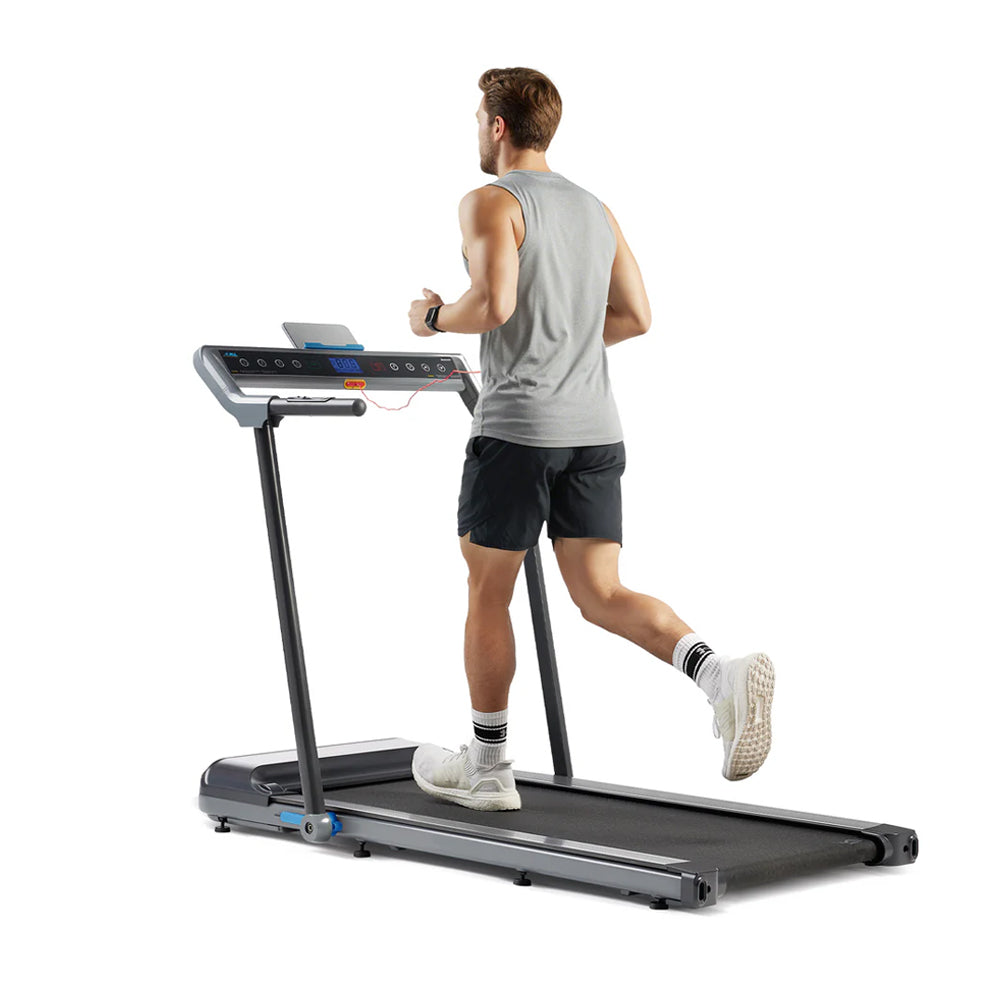
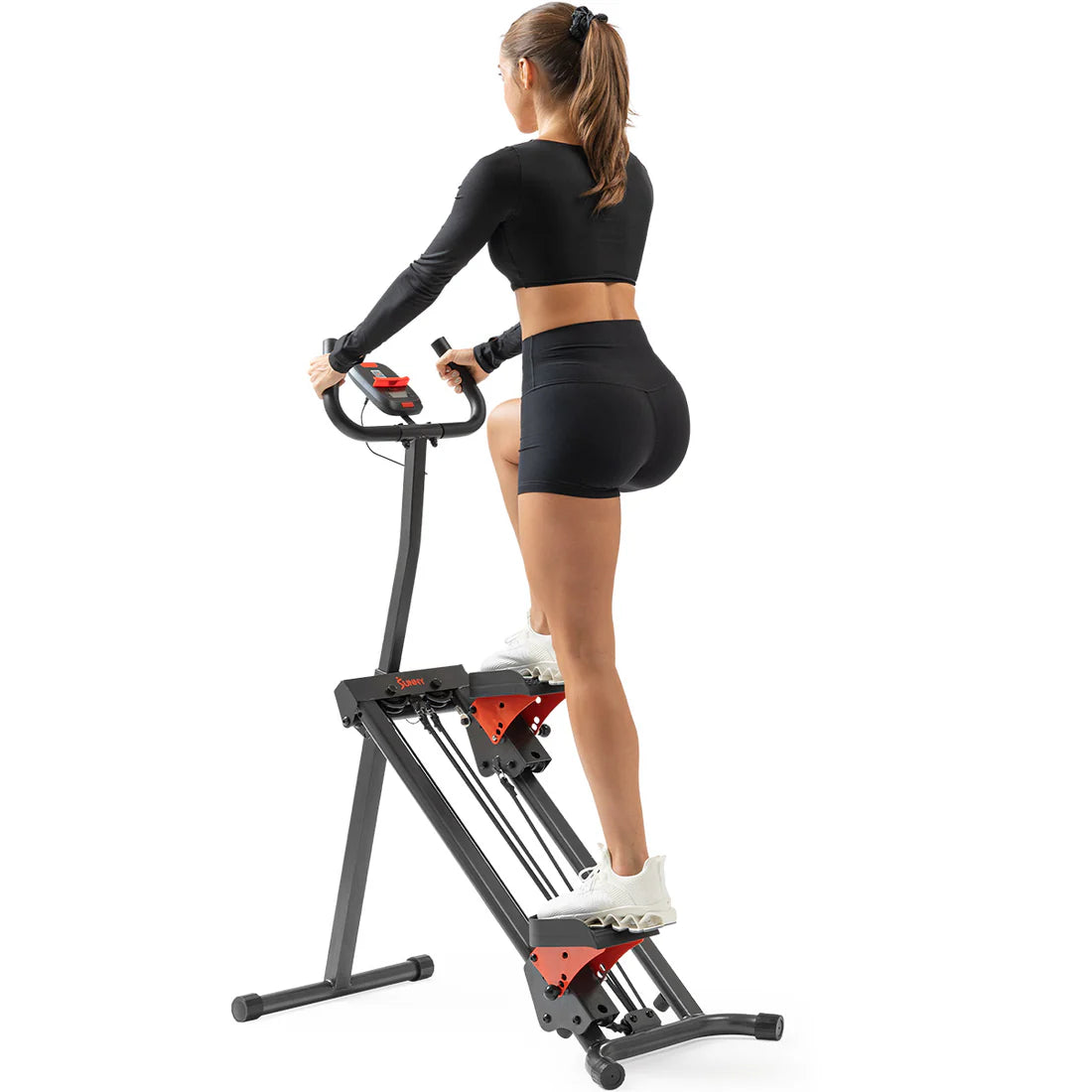
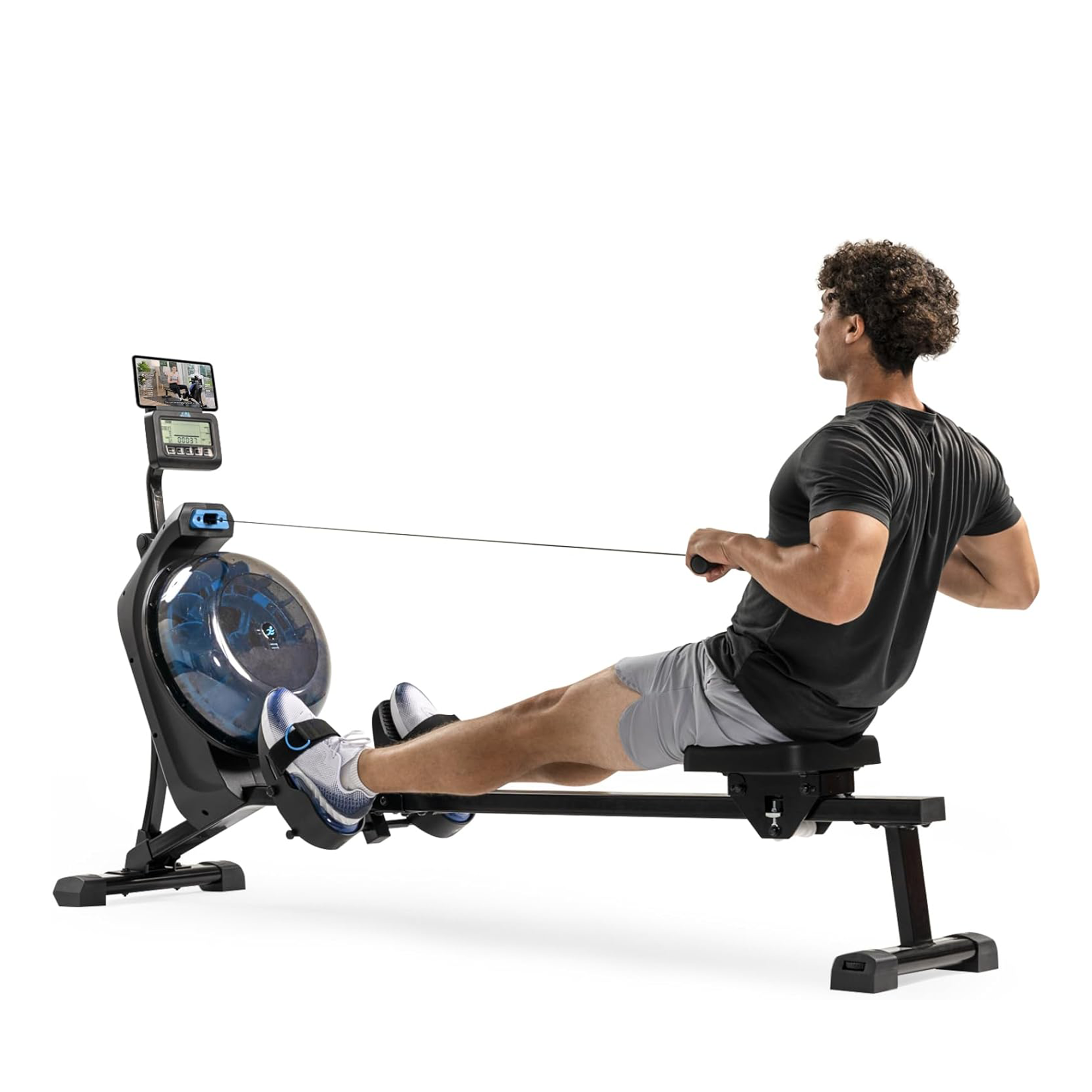
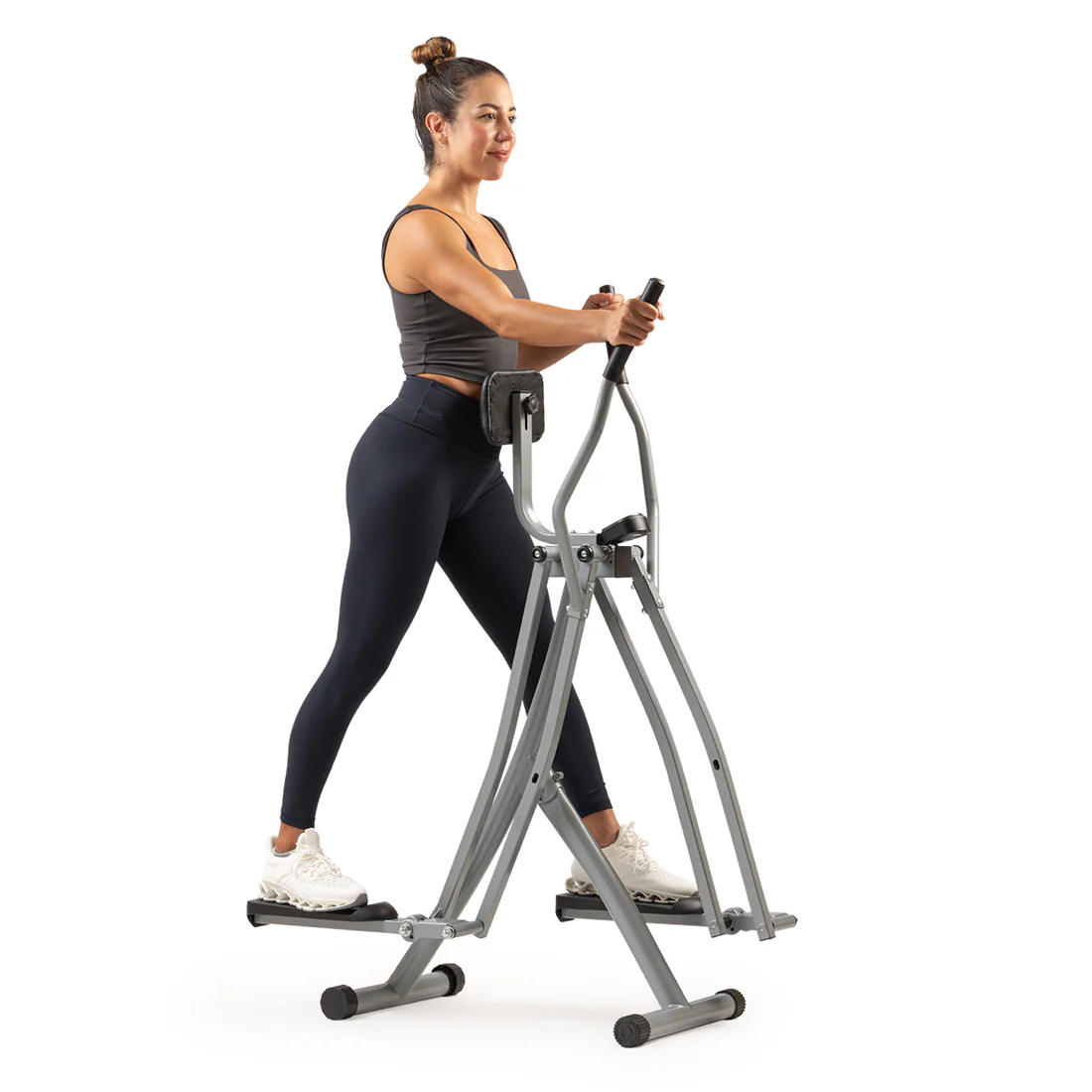
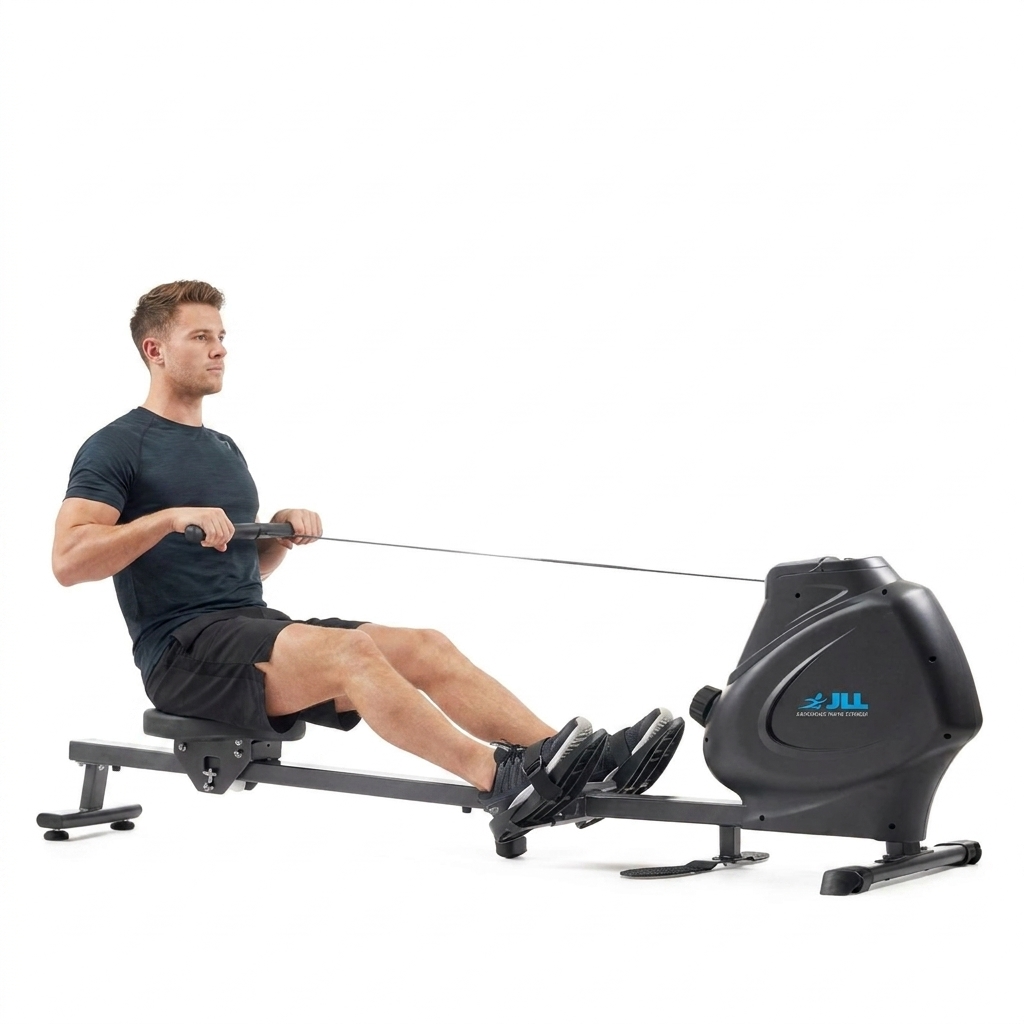

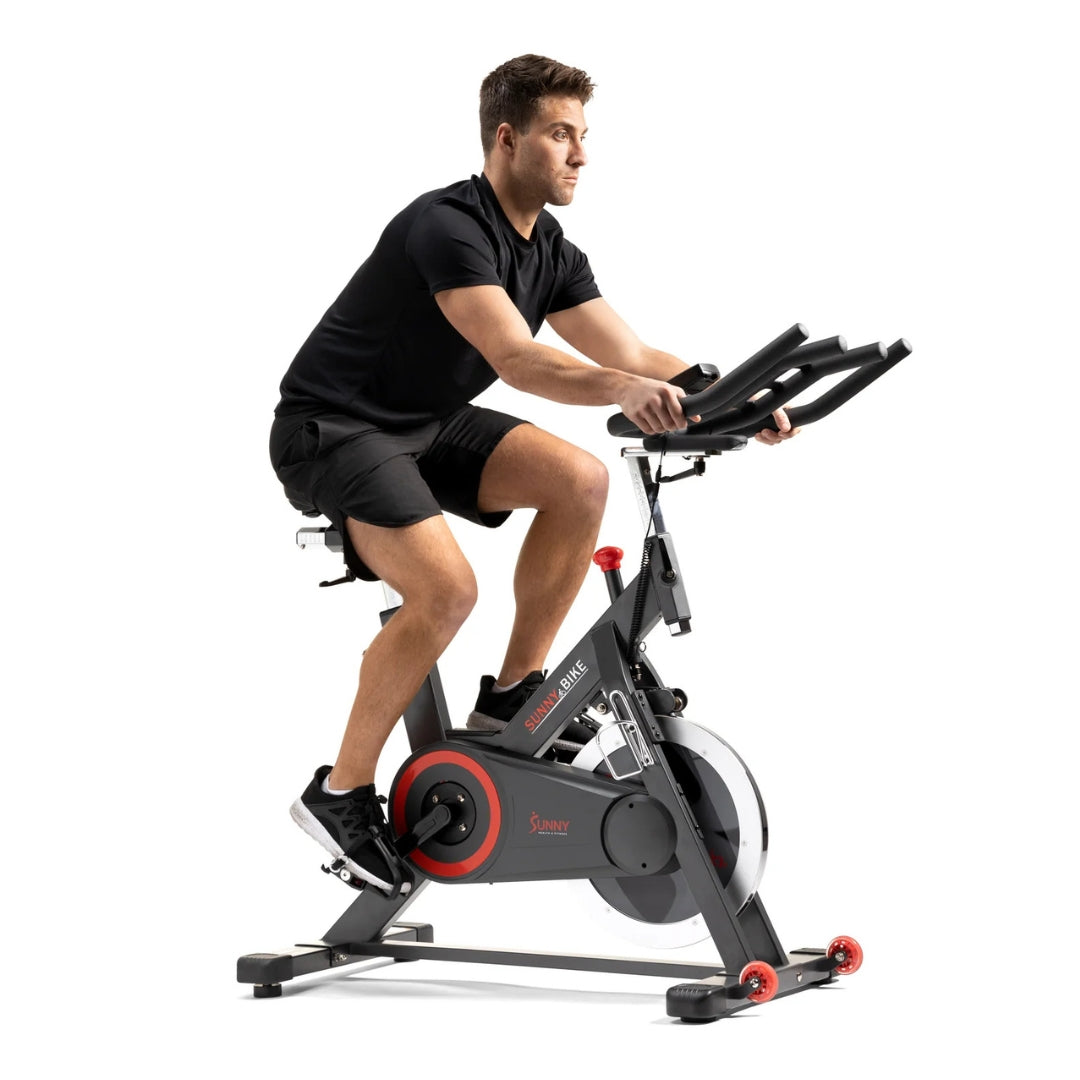
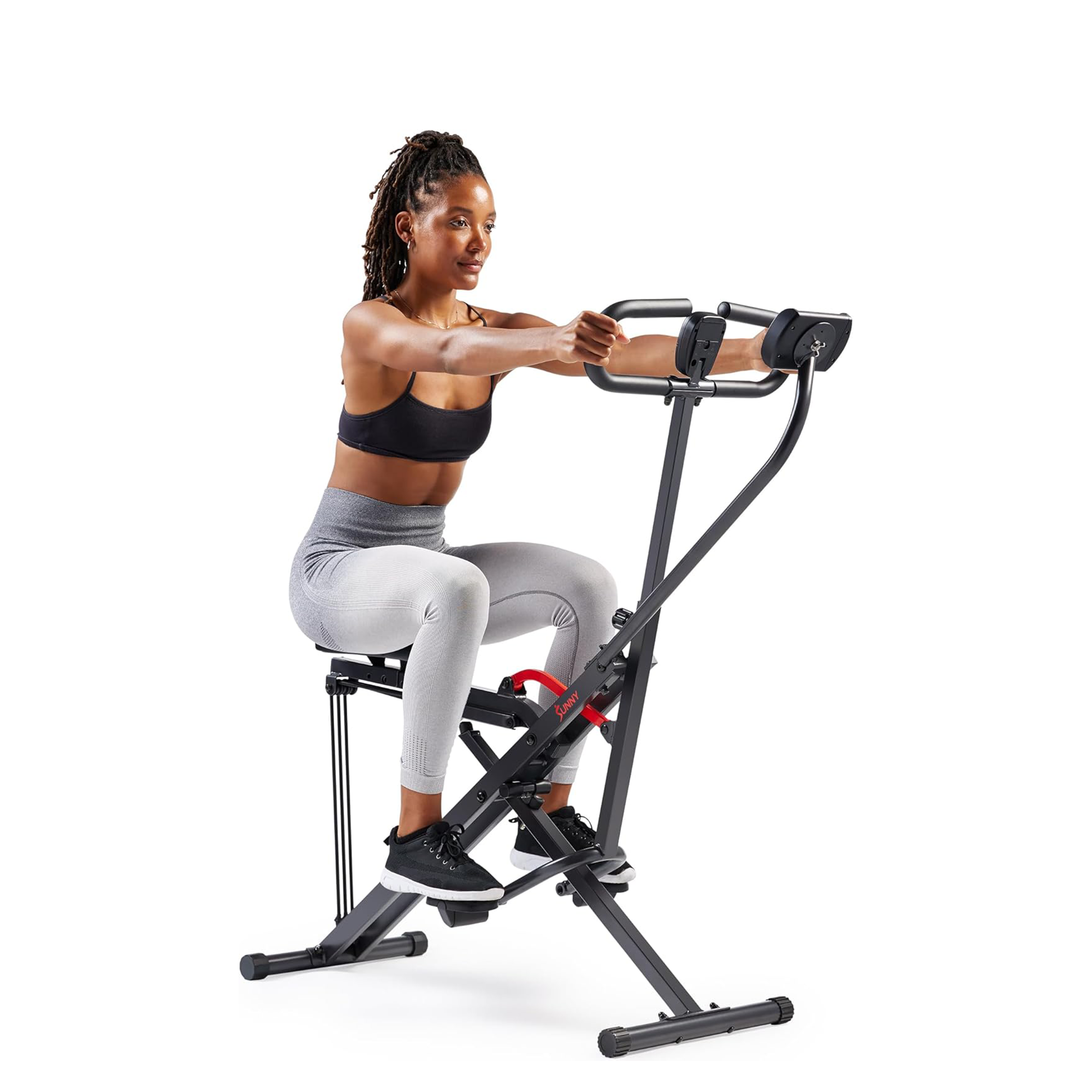
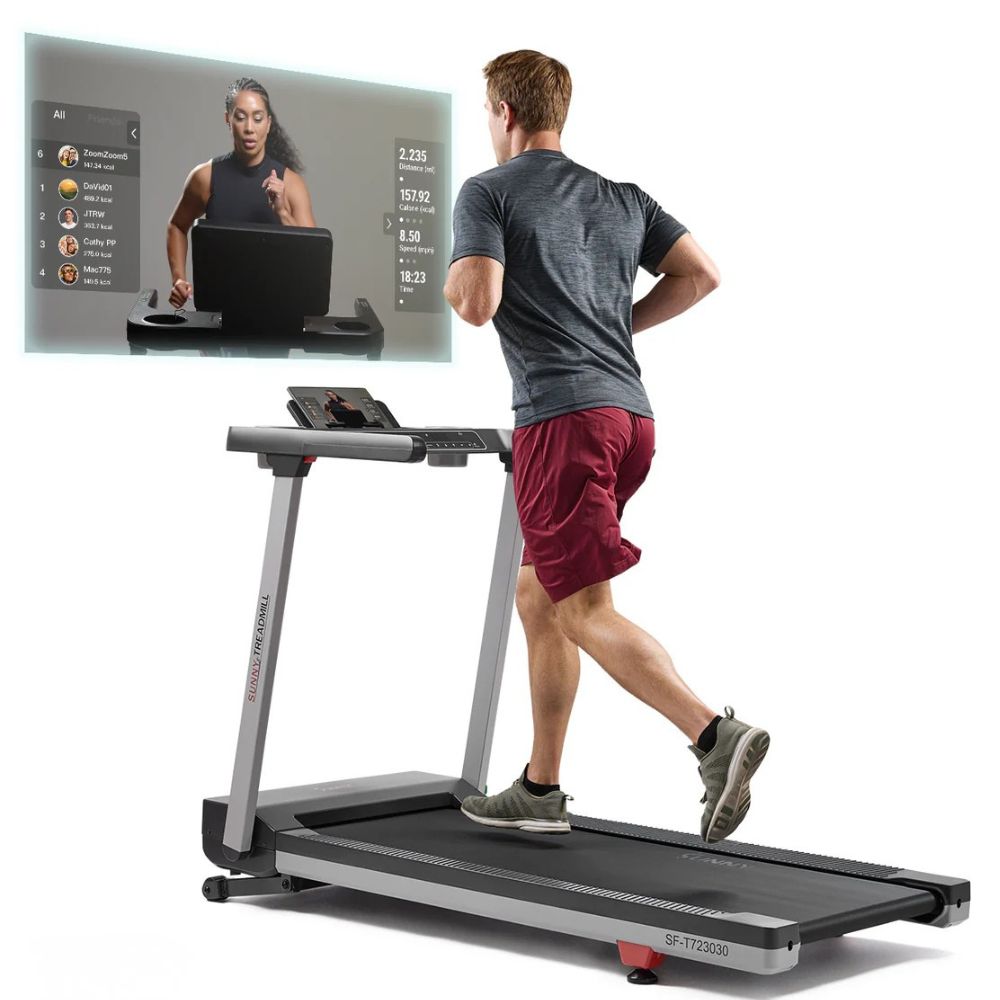
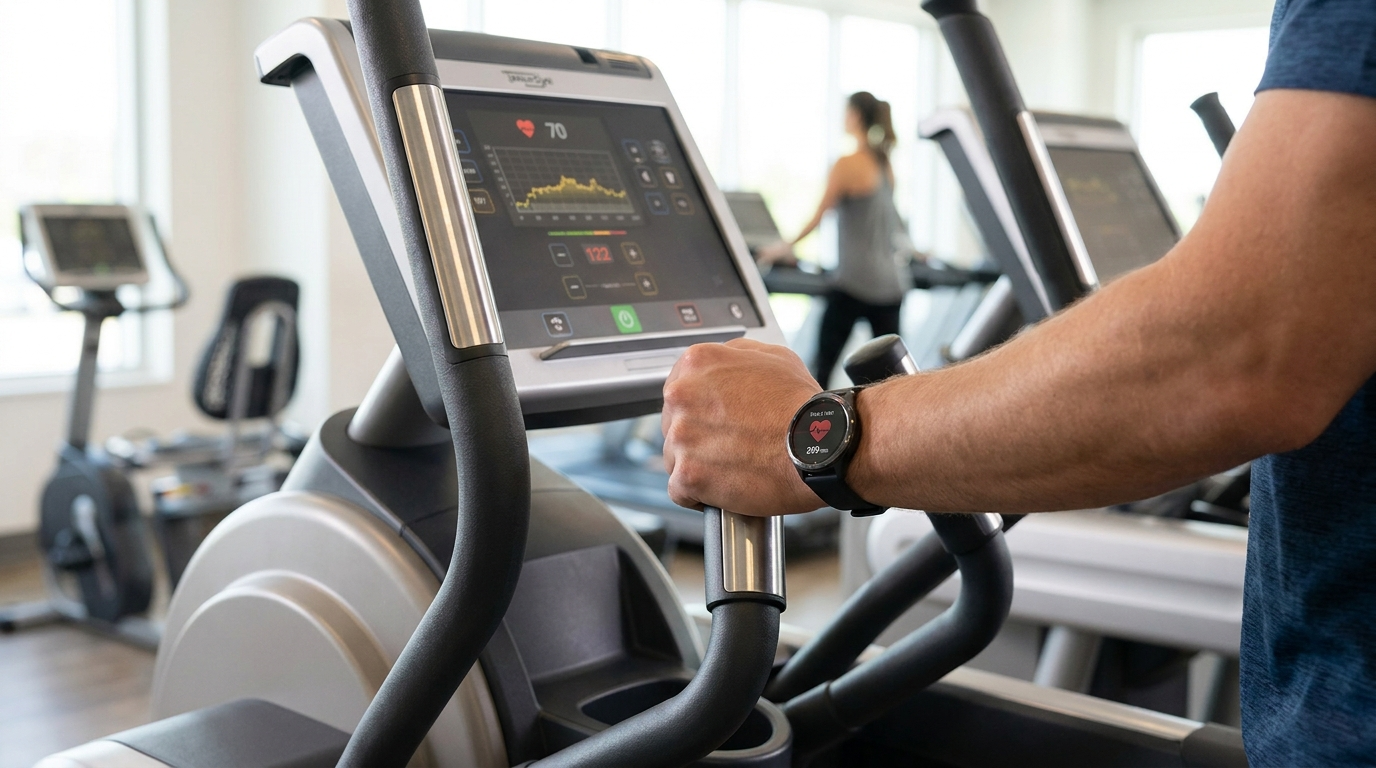
If you have ever spent time on a treadmill, elliptical, or stationary bike, you have likely gripped the silver metal heart rate sensors on the handlebars to see your stats jump onto the screen. But as you watch those numbers climb, a question often arises: Are gym machines accurate when it comes to monitoring your heart?
For many fitness enthusiasts, these built-in contact heart rate monitors are a convenient way to gauge intensity. However, relying on them for accurate readings might be standing in the way of your progress.
At JLL Fitness, we understand that fitness data reliability is the backbone of any successful workout routine. While the industry often struggles with heart rate monitor accuracy, our cardio machines are engineered to bridge the gap between convenience and precision.

How They Work (and Why They Often Fail)
Most cardio machines use electrocardiogram (ECG) technology through handgrip heart rate sensors. These sensors detect the electric signals of your heart through your palms. While generic machines often suffer from "signal noise," JLL Fitness focuses on high-quality gym equipment calibration to ensure our contact heart rate monitors provide the most consistent data possible.
- Hand Position and Grip: Gripping too tightly or too loosely can distort the electric signals.
- Motion Artefacts: Because you are moving while using the machine, the constant friction and shifting of your hands create "noise" that the cardio machine heart rate sensors struggle to filter out.
- Sweat and Conductivity: While sweat can sometimes help conductivity, excessive moisture can also cause the sensors to slide or lose a steady connection.
- Gym Equipment Calibration: Over time, these sensors can wear down or lose gym equipment calibration, especially in high-traffic commercial environments.

To get the most accurate readings from your JLL machine, we recommend:
- Optimal Grip: Maintaining a firm but relaxed grip on the handgrip heart rate sensors to ensure steady electric signals.
- Consistency: Keeping hands centered on the sensors to minimise "motion artifacts" during intense workouts.
- Maintenance: Keeping the silver contact points easy to clean and free of excessive moisture to maintain high conductivity.
The Science of Miscalculation
The discrepancy in heart rate monitor accuracy often stems from how machines calculate data versus how your body actually responds. Most integrated systems on cardio machines rely on a "snapshot" method, taking a brief reading of electric signals and extrapolating that into a full minute's worth of beats per minute (BPM).
There is also the issue of "signal noise" caused by the mechanical operation of the machine itself. As you run or pedal, the vibrations travel through the frame and into the handlebars, creating interference that makes it difficult for the cardio machine heart rate sensors to distinguish between your pulse and the machine’s movement.

Additionally, gym equipment calibration plays a massive role - in many commercial settings, sensors are subjected to heavy use and cleaning chemicals, which can wear down the conductive plating over time. This leads to erratic readings or a complete failure to detect a signal during intense workouts. Because these sensors measure at the extremities (the palms), they are also subject to "peripheral lag"—the delay in blood flow reaching your hands compared to the immediate electrical response measured by a chest strap heart rate monitor positioned directly over the heart.
JLL Fitness utilises advanced processing to ensure that the heart rate measurements shown on our consoles reflect your actual effort. Whether you are using a treadmill heart rate accuracy checker or a heart rate monitor for a cross trainer, our systems are designed to filter out the mechanical vibrations that often plague lower-end equipment.
The Best Way to Track Heart Rate
While our built-in heart rate sensors are a great option for a quick check-in, we know that serious athletes require medical-grade precision for heart-rate-zone training. This is why JLL Fitness machines are built with an "ecosystem" approach to wearable fitness technology.
- Direct Connectivity: Many of our premium cardio machines are compatible with a heart rate chest strap. By syncing a chest strap directly to the JLL console, you bypass the palms entirely, measuring the electrocardiogram (ECG) pulse directly from the source.
- Bluetooth & ANT+ Integration: This allows you to compare wrist-based vs. chest strap data or even your elliptical heart rate monitor vs. Apple Watch stats directly on our integrated displays.
- Real-Time Feedback: Using a wearable device in tandem with your JLL machine is the best way to track heart rate for HIIT workout tracking, ensuring you stay within your target heart-rate zone without interruption.

To truly improve your aerobic capacity and ensure calories burned accuracy, precision is non-negotiable. JLL’s reliable pulse monitoring allows you to follow complex training plans with confidence. By providing stable beats per minute (BPM) readouts, we help you avoid "zone drift," ensuring your cardiovascular health is always the priority.
JLL Fitness remains a leader in home gym technology by ensuring our contact heart rate monitors and console integrations are world-class. While generic cardio machines might leave you guessing, JLL provides the accurate measurement tools you need to push your higher intensities safely.
Are you ready to elevate your training with data you can trust? Explore the JLL Fitness range of heart-rate compatible cardio machines and take control of your cardiovascular health today.




Leave a comment
All comments are moderated before being published.
This site is protected by hCaptcha and the hCaptcha Privacy Policy and Terms of Service apply.