



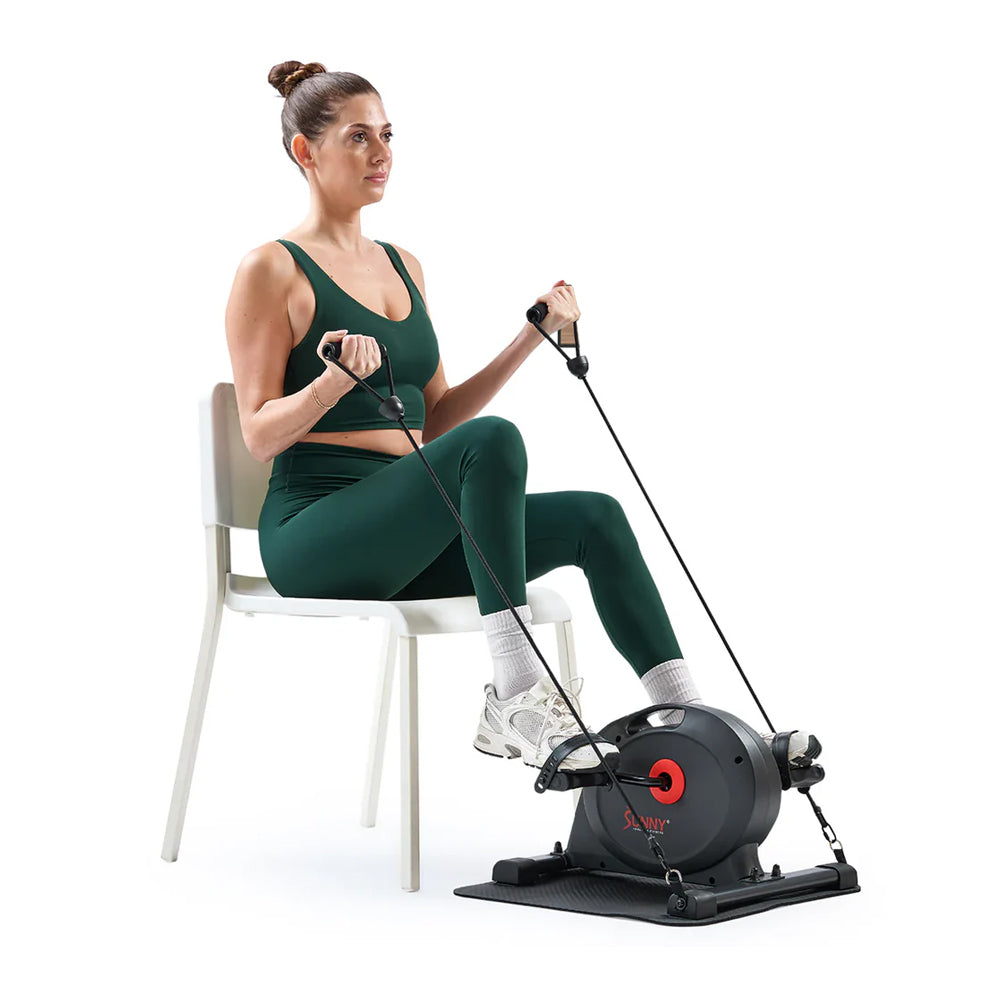

When shopping for an indoor cycling bike, the flywheel weight is often the very first specification you see listed. Fitness brands frequently market heavier flywheels as a badge of quality—but does flywheel weight really matter on indoor cycles, and is heavier always better?
The short answer is yes: Flywheel weight controls how smooth the pedals turn, how stable the bike feels, and how adjustable resistance works. However, the ideal weight for your home gym depends on your current fitness levels, your main goals (such as cardiovascular endurance or weight loss), and whether your stationary bike uses felt pads or magnetic resistance systems.
Here is a simple breakdown of how flywheel weight influences your workout experience. We compare light vs heavy flywheels, and explain how to pick the right piece of fitness equipment for your home training sessions.
What Does the Flywheel Actually Do?
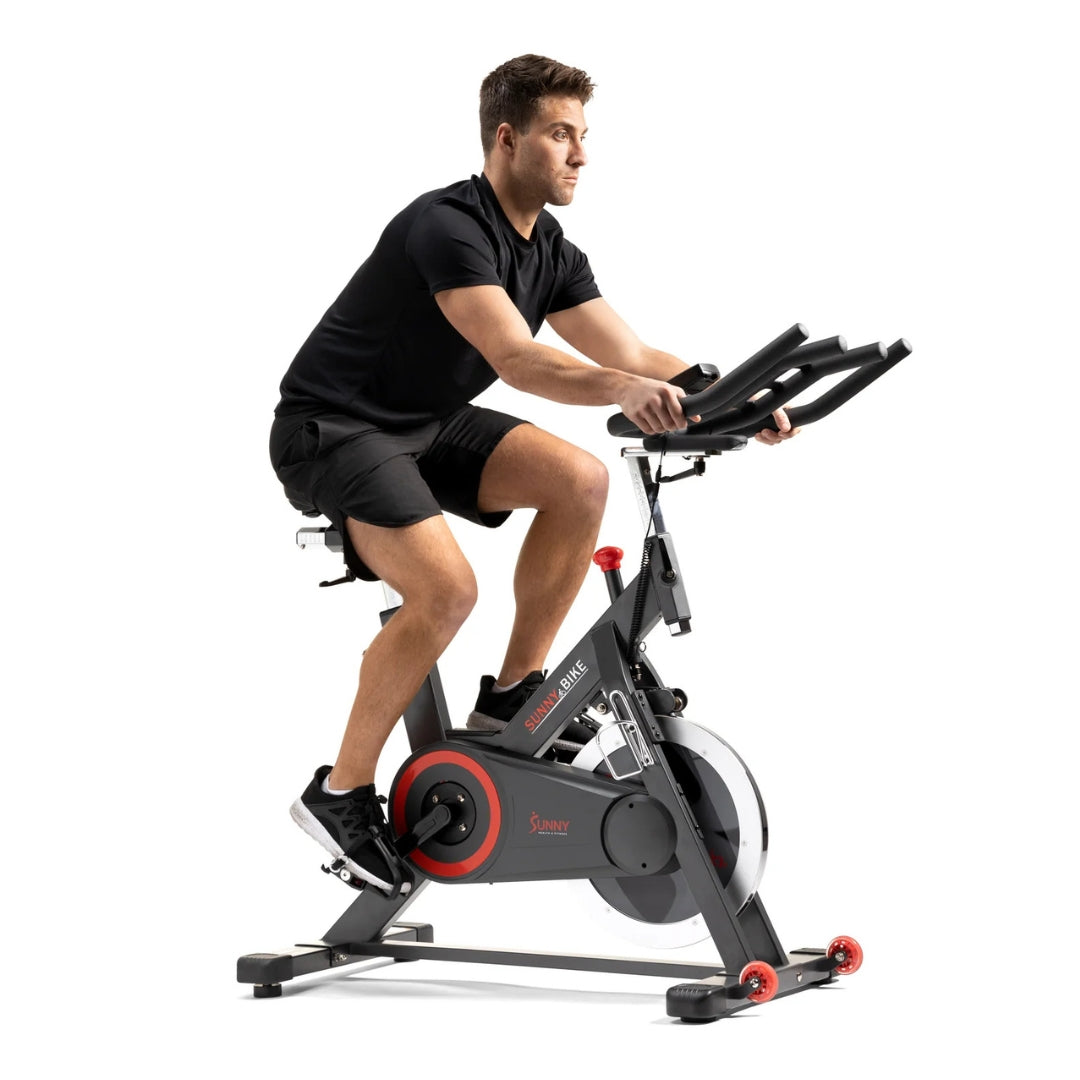
On an indoor cycling bike or studio cycle, the flywheel is the heavy metal wheel located at the front (or occasionally rear) of the frame. Unlike a standard upright stationary bike where pedals might feel disconnected or feather-light, an indoor cycle connects the pedals directly to the flywheel via a belt or chain drive.
When you pedal, you are transferring kinetic energy to rotate that weighted disc. Once the wheel starts moving, angular momentum keeps the wheel spinning, smoothing out the transition between the downstroke and upstroke. This mechanical momentum creates a smooth riding motion that feels remarkably close to riding an outdoor road bike on flat roads. To learn more about how indoor cycles differ from upright models, read our guide on Indoor Cycles vs Upright Bikes: What Exactly is the Difference.

4 Reasons Why Flywheel Weight Matters
1. Smooth Pedalling and Road Feel
The main job of a heavier flywheel is to remove "dead spots"—that jerky, slight catch or pause at the top and bottom of each pedal circle.
- How momentum helps: A heavier flywheel stores more rotational energy as it spins. Once up to cadence, it pulls your feet through the dead spots, mimicking the true inertia of a road bike where forward momentum keeps you rolling.
- Joint protection: By ensuring a uniform, continuous circle, heavier flywheels deliver smooth riding that significantly protects your knees and hips from sudden jerks.
2. Smooth Resistance and High-Intensity Training
Flywheel weight shapes how the bike handles adjustable resistance:
- Climbing hills: Heavy flywheels require greater initial torque to accelerate. When you crank up the resistance knob for standing climbs, a substantial flywheel provides firm resistance you can lean into. This turns your ride into a demanding lower-body strength training session.
- Micro-Adjustments: Heavier flywheels absorb resistance more evenly. This makes it easy to set minor adjustments for either aerobic endurance work necessary for weight loss, or explosive HIIT intervals.
3. Frame Stability and Out-of-the-Saddle Riding
Nothing ruins a sprint or hill climb faster than a bike that wobbles beneath you.
- Low Centre of Gravity: A heavy steel flywheel acts as an anchor for the entire frame.
- Standing Sprints: When you lift out of the saddle to engage your core and upper body during intense sprints, the anchored mass keeps the frame planted and stable. This gives you a safe, rock-solid commercial-gym feel.

4. Noise Levels and Long-Lasting Parts
- Reduced Vibration: Lightweight wheels often rattle or vibrate when you pedal fast. Heavy flywheels spin with steady balance, keeping your ride quiet.
- Less Wear And Tear: When paired with a modern rubber belt drive, a well-balanced flywheel slips less. It also reduces uneven wear, keeping maintenance to a bare minimum over time. To keep your machine running whisper-quiet for years, explore our tips on Indoor Cycle Maintenance: Keep Your Bike in Top Shape.
Heavy vs Light Flywheels: Head-to-Head Comparison
| Feature | Lightweight Flywheel (8 kg – 13 kg) | Moderate Flywheel (14 kg – 18 kg) | Heavy Flywheel (19 kg – 22 kg+) |
|---|---|---|---|
| Pedal Stroke Feel | Light, snappy; noticeable cadence drop on resistance | Smooth, fluid road bike simulation | Ultra-smooth, effortless roll-through |
| Out-of-Saddle Riding | Moderate stability; best for seated riding | Very stable for seated and standing climbs | Maximum stability; zero wobble during sprints |
| Acceleration & Deceleration | Quick to speed up and slow down | Balanced momentum and stop response | Requires high torque to start; slow deceleration |
| Best For | Casual riders, low-impact rehabilitation | Everyday fitness levels & home spin workouts | Serious road cyclists, HIIT & advanced training sessions |
| Overall Bike Weight | Easy to roll and store in small rooms | Well-balanced footprint | Heavy frame; requires solid floor space |
Friction vs Magnetic Resistance
While flywheel mass is important, the type of resistance system changes how that weight behaves:
-
Friction Resistance (Leather or Felt Pads):
These bikes use fabric or leather pads that press directly onto the metal wheel. Because the pads rub against the wheel, these bikes rely on a heavier flywheel (typically 18 kg to 22 kg). This helps the pedal stroke feel smooth when the tension is increased. -
Magnetic Resistance Systems:
These bikes use magnets that move close to the wheel without touching it. Because there is no friction, magnetic resistance systems can create smooth, strong resistance. They can use lighter flywheels (12 kg to 16 kg) and still feel like heavier friction models. For a deeper breakdown of resistance mechanics, read our article on Magnetic vs Electromagnetic Resistance on Exercise Machines.

What Flywheel Weight Should You Choose for Your Fitness Levels?
To find the ideal flywheel weight for your home routine, match your selection to your training goals:
1. Casual Riders and General Health (8 kg – 13 kg)
If you want low-impact cardio, a light to moderate flywheel is a good choice. It can help you burn calories while you watch TV, support joint rehab, and offers plenty of adjustable resistance without feeling too heavy to start. It also keeps your fitness equipment lighter and easy to manoeuvre around the room.
2. Regular Home Spin Riders (14 kg – 18 kg)
If you plan to ride 3 to 5 training sessions each week, a 14 kg to 18 kg wheel is a great sweet spot. It feels like riding on real roads, supports standing climbs using your core and upper body, and keeps your stationary bike stable during upbeat workouts. Read more about these workouts in our guide on the 8 Awesome Benefits of Indoor Cycling.
3. Experienced Cyclists and Studio Spinners (19 kg – 22 kg+)
If you train for outdoor sportives, do high-wattage sprint intervals, or want a studio-grade ride like a boutique spin class, choose a heavy flywheel. Aim for 18 kg to 22 kg or more. The stored kinetic energy works best at high cadences, mimics true road cycling outdoors, and provides a stable base for long-term athletic progress.
Frequently Asked Questions
Is a heavier flywheel always better on an indoor cycling bike?
Not always. A heavier flywheel gives a smoother, more realistic workout experience, but it takes more leg power to start and cannot stop instantly without the brake. If you have sore joints or want a smaller stationary bike that is easy to move between rooms, a lighter flywheel works well.
Does a heavier flywheel burn more calories for weight loss?
Your calorie burn comes from your heart rate, effort, workout duration, and total power output (watts), not just the weight of the flywheel. However, a heavier wheel makes it easier to stand up and push hard, which helps burn calories and supports weight loss over the long term.
Can you stop immediately on an indoor cycle with a heavy flywheel?
On fixed-wheel indoor cycles (where the pedals turn as long as the wheel turns), the angular momentum of a heavy flywheel will keep propelling the pedals forward even if you stop pushing. To stop safely, you must gradually ease your cadence or press down on the emergency brake knob.
How do bike adjustments affect the riding experience?
Setting your riding position is just as important as wheel weight to prevent knee and lower back discomfort. Always set up your adjustable seat and handlebars so your knees have a slight 25–35 degree bend at the bottom of the stroke. This simple setup keeps your joints happy and helps you get the most out of every ride session. For step-by-step adjustment instructions, check out our guide on How to Set Up Your Indoor Bike Correctly for Comfort and Performance.
Recommended Indoor Cycling Bikes
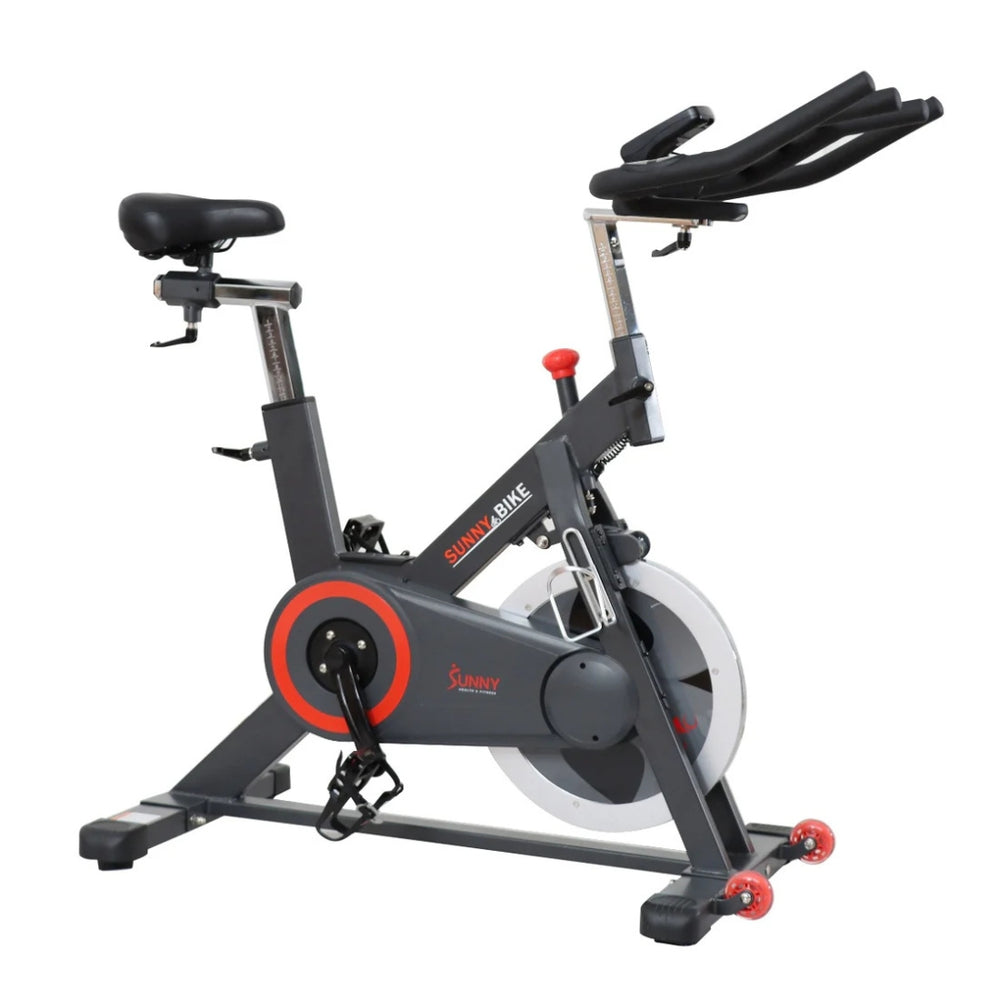
Smart Magnetic Indoor Cycling Bike
Heavy 20kg chrome flywheel with silent magnetic resistance and Bluetooth connectivity.
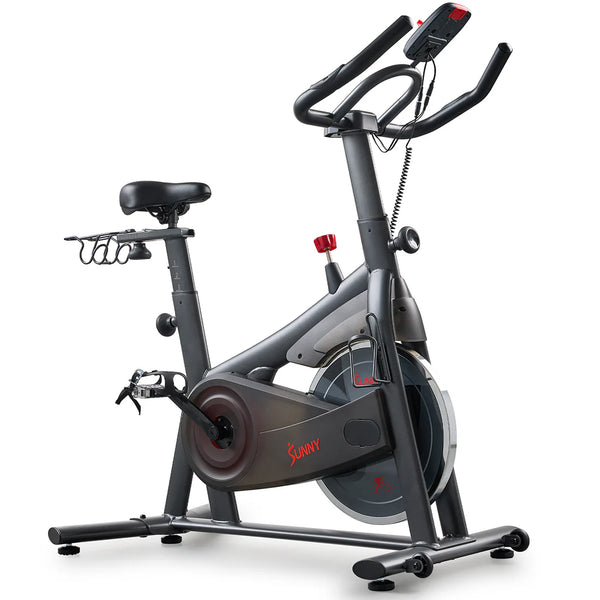
Active 200 Magnetic Exercise Bike
Balanced 10kg flywheel featuring quiet belt drive and smooth magnetic tension.
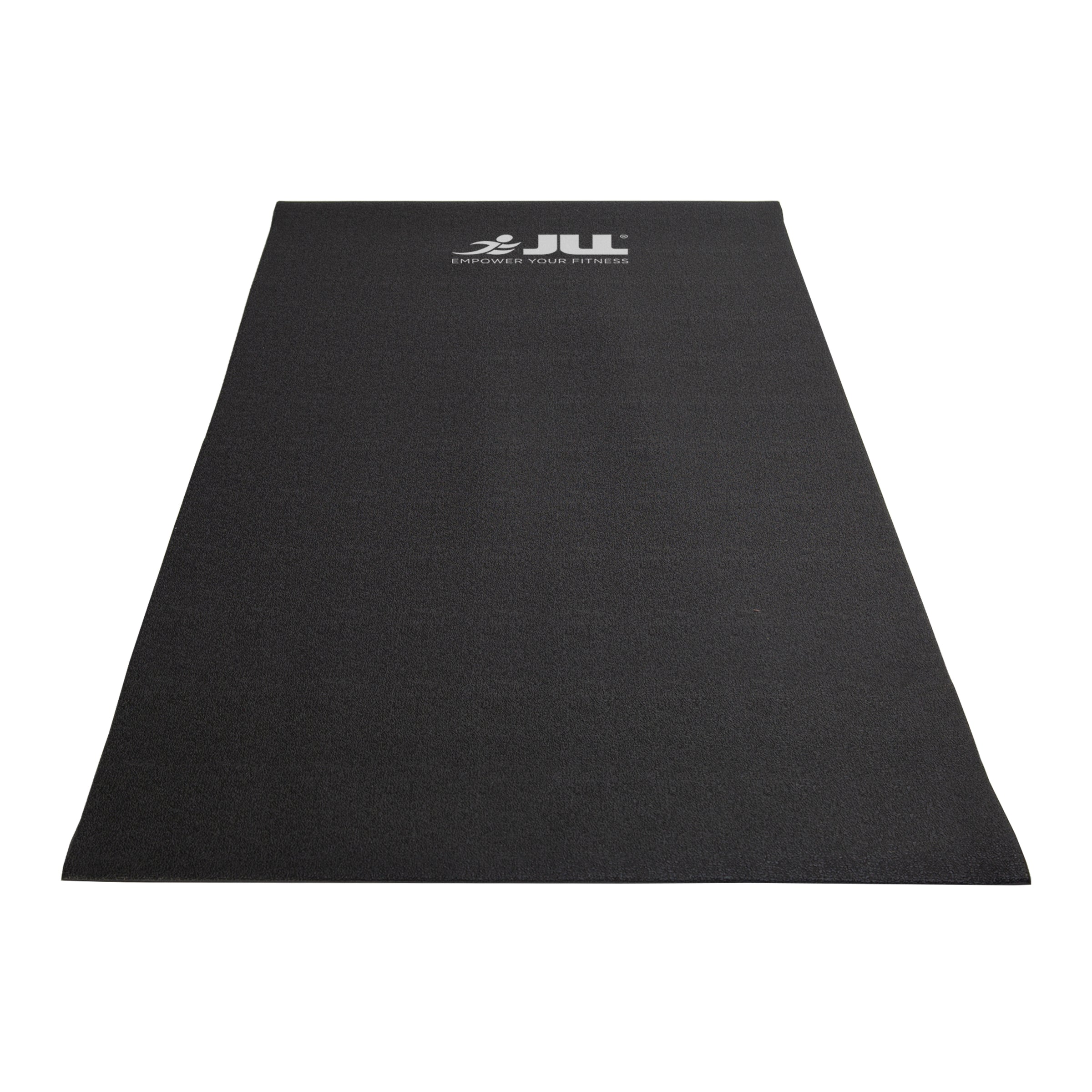
Cardio Equipment Floor Mat
High-density non-slip protective mat that reduces bike vibrations and floor wear.




Leave a comment
All comments are moderated before being published.
This site is protected by hCaptcha and the hCaptcha Privacy Policy and Terms of Service apply.