




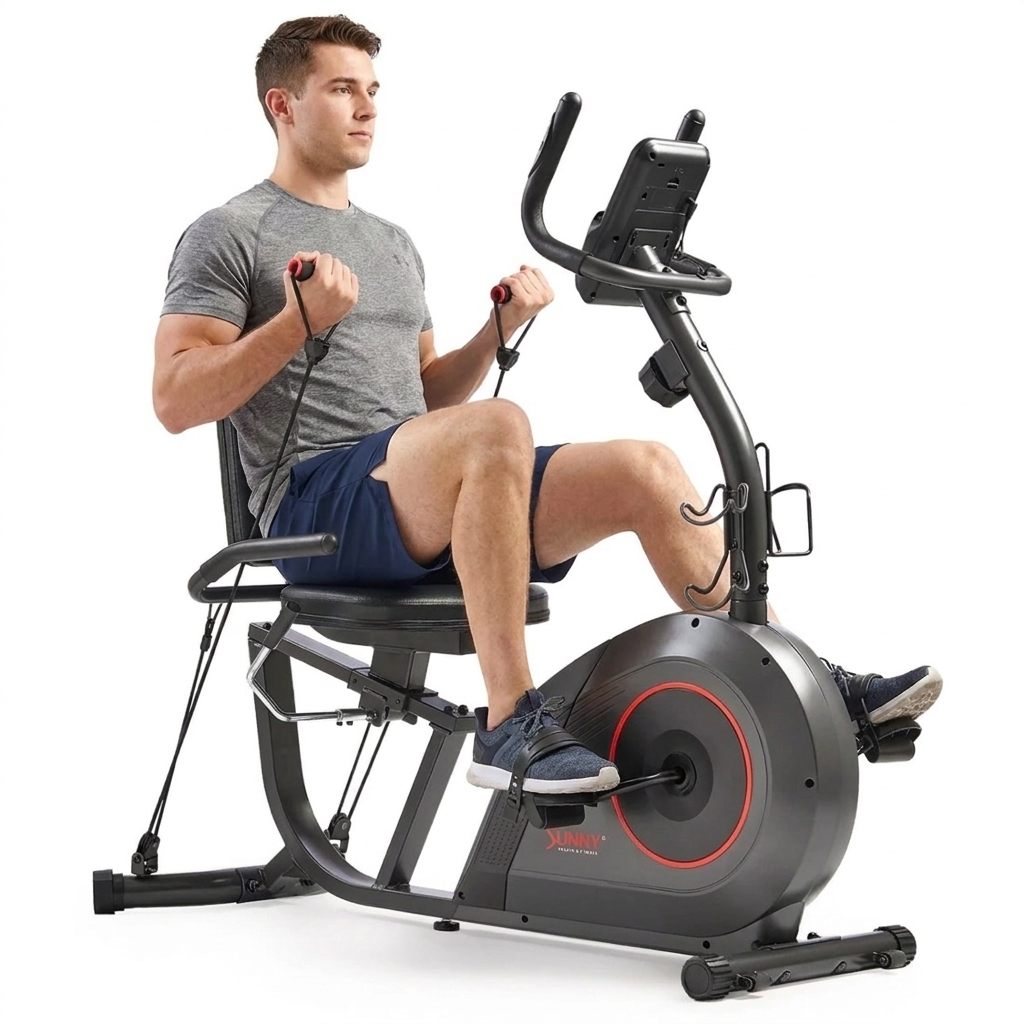
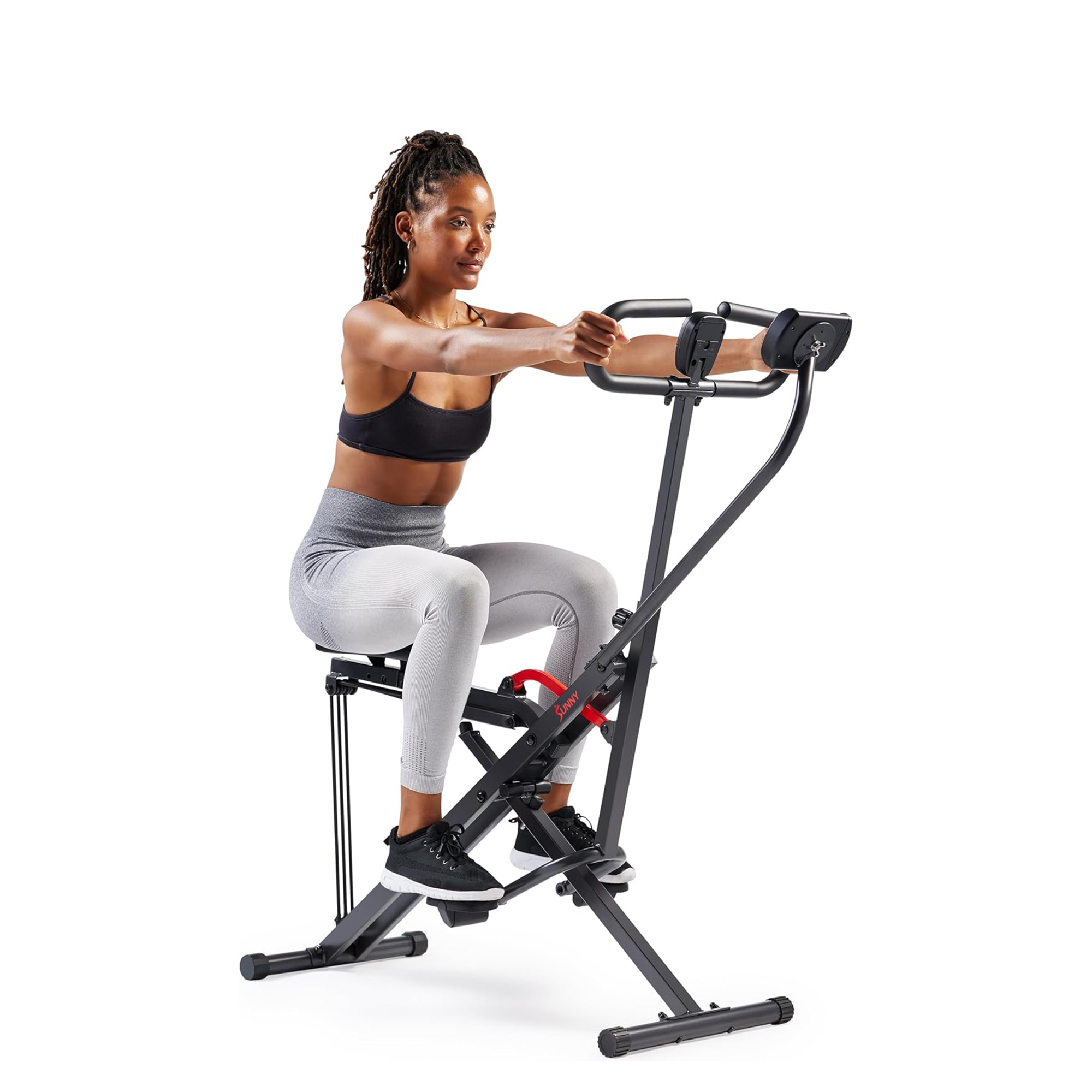
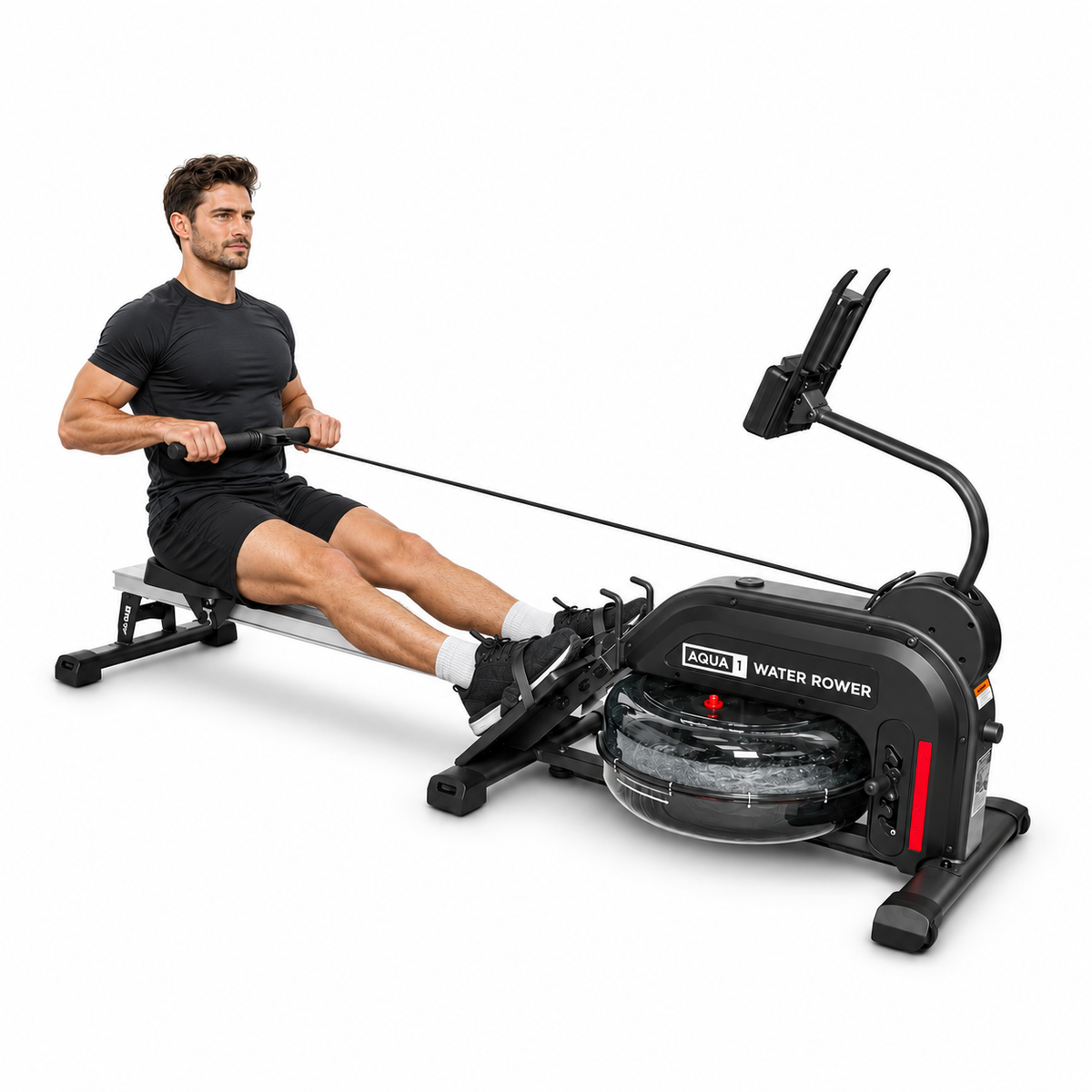
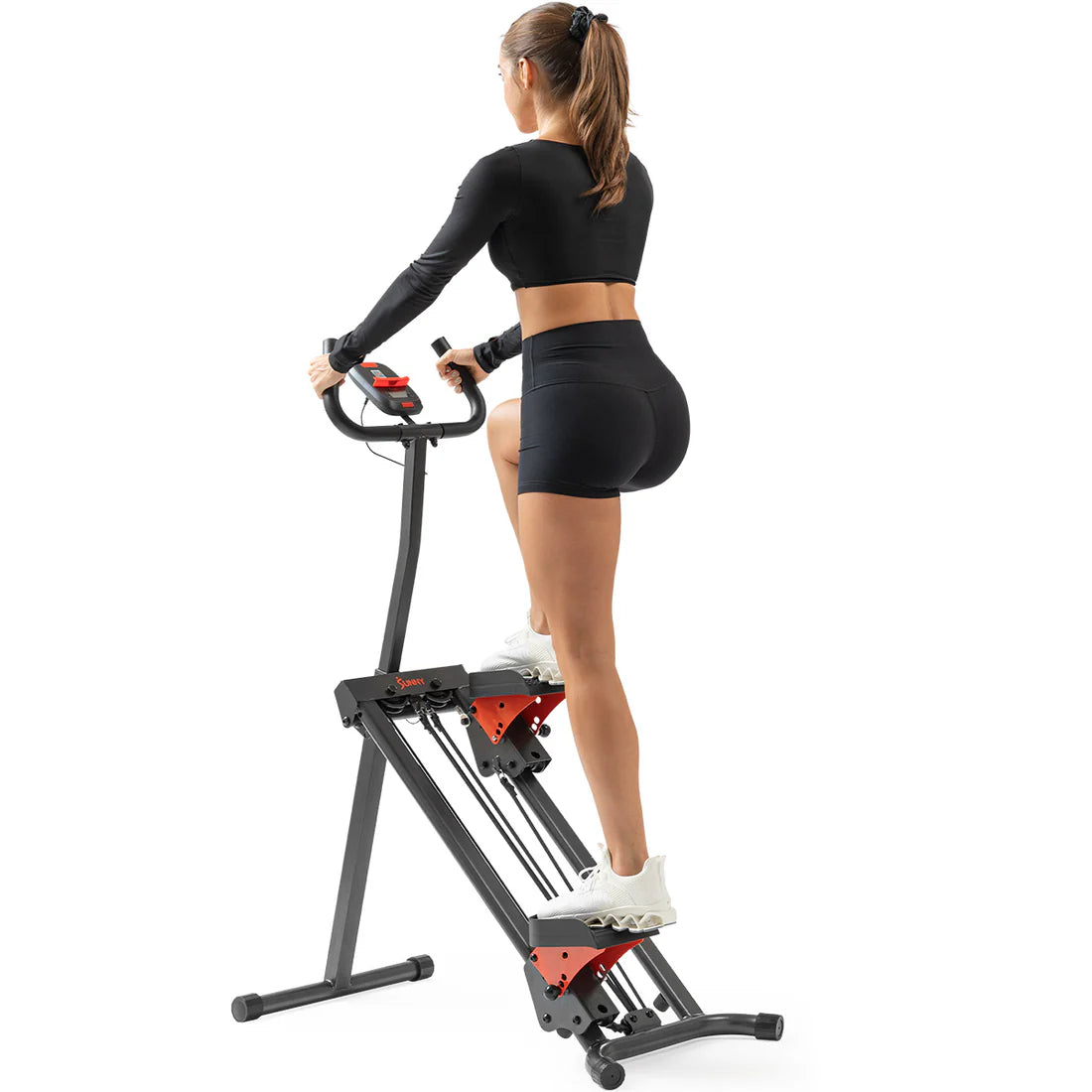

A comprehensive blueprint to building functional aerobic power, race pacing, and mental toughness without a full commercial setup.
HYROX is the world’s premier fitness racing series, a grueling competition that combines functional strength exercises with high-volume endurance running. A true HYROX workout is about mastering specific movement patterns while your heart rate is redlining—you are managing fatigue across eight distinct 1km runs, each separated by a demanding functional workout station.
"Compromised running" is the heart of the sport. Unlike traditional strength training, which often isolates muscles in a controlled environment, a HYROX race requires your full body to work as a synchronized unit. Your legs will feel heavy, and your lungs will burn, but your aerobic engine must keep turning to maintain your pace between the grueling power stations.
While the event typically takes place in massive indoor arenas, you don't need a professional stadium to start. You can effectively build strength and stamina for a HYROX event at home with a bit of creativity and a solid training plan. Here is how to master the HYROX event structure and prepare your body for the start line.
1. Understanding the HYROX Event Structure
Before you start sweating, you need to know the beast you’re fighting. The HYROX event structure is a relentless loop: a 1 km run followed by one functional workout station, repeated eight times. At home, your goal is to simulate this compromised running—the feeling of trying to sprint when your legs feel like blocks of wood. To succeed, you must move through these transitions with a high heart rate while maintaining technical proficiency.
- Station 1 1,000m SkiErg
- Station 2 50m Sled Push
- Station 3 50m Sled Pull
- Station 4 80m Burpee Broad Jumps
- Station 5 1,000m Rowing
- Station 6 200m Farmers Carry
- Station 7 100m Sandbag Lunges
- Station 8 100 Wall Balls

2. Essential Equipment for At-Home HYROX Training
To mimic the movement patterns of the race, you don’t need a commercial gym, but a few key versatile pieces will help build muscular endurance and replicate the load of the sleds:
- Kettlebells or Dumbbells: Vital for loaded carries, single-arm presses, clean pulls, and goblet squats.
- Heavy-Duty Resistance Bands: Perfect for simulating sled pulls, anchored power rows, or banded sprint resistance.
- Sandbag or Weighted Backpack: Essential for loaded walking lunges, simulating the awkward shifts of dynamic race weight.
- Medicine Ball / Wall Ball: Non-negotiable for practicing target accuracy, rhythm, and squat depth under extreme fatigue.
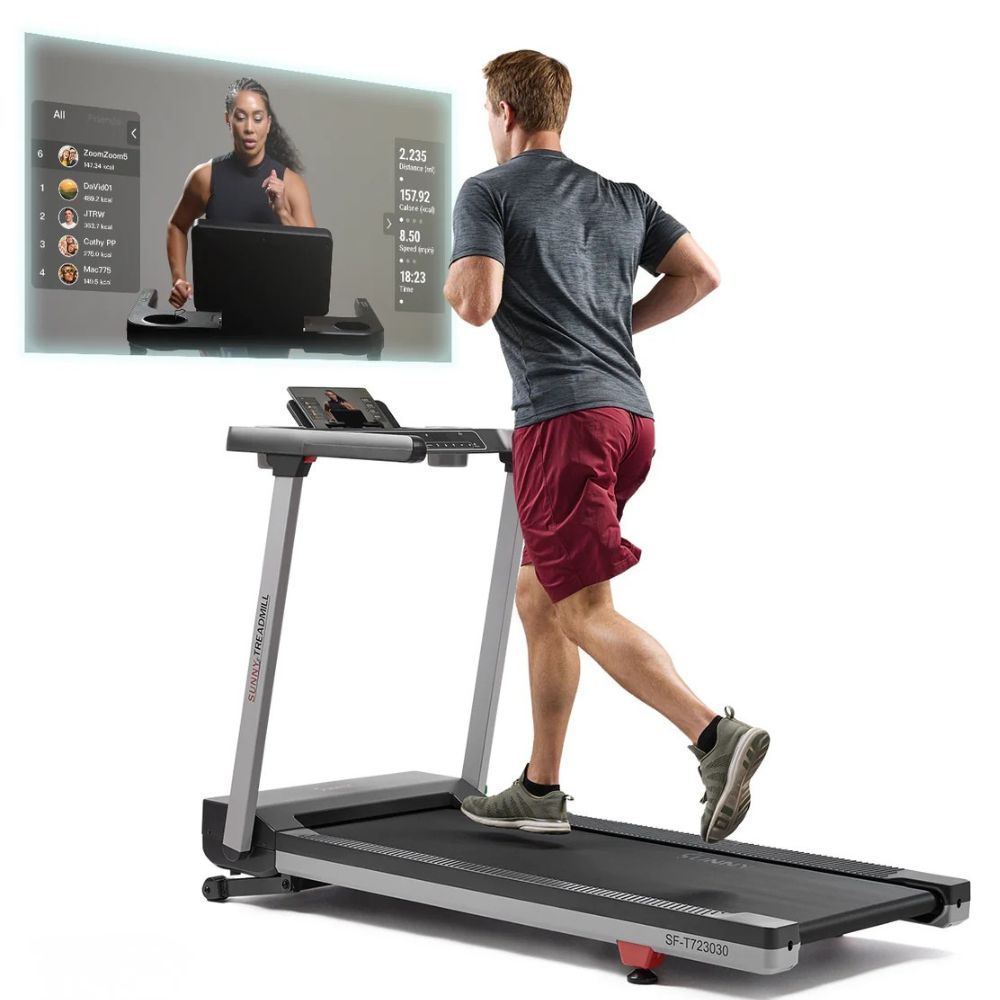
- Folding Treadmill: Enables sharp transitions between your target 1km running pace and strength stations in the garage or spare room.

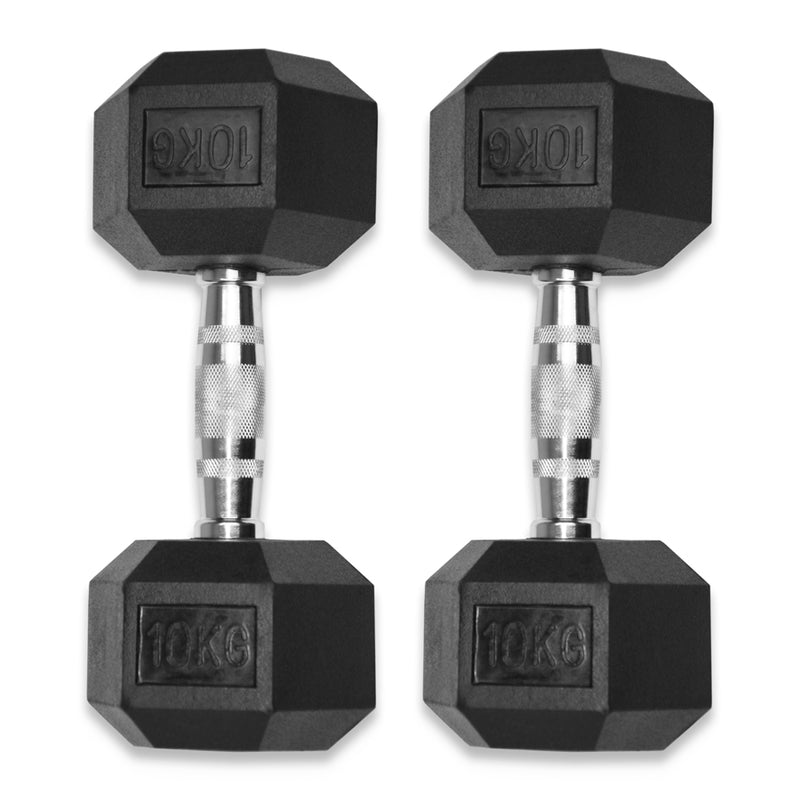
Rubber Hex Dumbbells (Pairs)
Anti-roll hexagonal design with ergonomic chrome knurled handles—ideal for heavy farmer's carries and push-up stations.
3. Sample At-Home HYROX Warm-Up Protocol
A successful HYROX session requires balancing joint mobility with nervous system priming before your heart rate hits lactate threshold.
Pre-Workout Warm-Up (10 Minutes):
• 3 Minutes: Light jog or jump rope cadence to elevate core body temperature.
• 4 Minutes: Dynamic mobility (hip openers, leg swings, arm circles, world's greatest stretch).
• 3 Minutes: Muscle activation—10 unweighted air squats, 10 push-ups, and a 30-second plank hold.

4. Run and Functional Exercise Simulation Circuits
This 7-circuit structure trains the exact compromised running adaptations you face on race day.
Circuit 1: SkiErg Simulation
Work: 1 km run + 50 high-tension resistance band pull-downs. Focus on a strong hinge at the hips and powerful lat extension.
Circuit 2: Sled Push Simulation
Work: 1 km run + 40 seconds of weighted towel pushes on smooth flooring or resisted wall-drive march drills to build anterior chain power.
Circuit 3: Burpee Broad Jumps
Work: 1 km run + 20 metres of continuous burpee broad jumps. Land softly with bent knees and establish an unbroken rhythmic cadence.
Circuit 4: Rowing Simulation
Work: 1 km run + 1 minute of seated heavy Resistance Band rows or 500m on a home rowing machine.
Circuit 5: Farmers Carry
Work: 1 km run + 200m carry using heavy pairs of Rubber Hex Dumbbells. Keep your chest tall and avoid letting the weights pull you off balance.
Circuit 6: Sandbag Lunges
Work: 1 km run + 20 walking lunges per leg. Replicate the unstable race sandbag with a Weighted Vest or a heavy kettlebell held in the goblet position.
Circuit 7: 100 Wall Balls
Work: 1 km run + 100 medicine ball wall throws. Hit full squat depth below parallel on every repetition using a JLL Medicine Ball.

Smart Compact Hydraulic Rowing Machine
12-level hydraulic resistance cylinder with quick-folding rear leg—replicates full-body race stroke power in compact spaces.
5. Modifications for Small UK Homes and Flats
If outdoor sprint paths are restricted by cold weather or short winter days, you can maintain race pacing through domestic substitutions:
- Treadmill Run Splits: A folding treadmill like the Helius Lite or Pegasus Connected lets you dial in precise 1km splits and step right off onto your weights mat.
- High Knees & Mountain Climbers: If you don't have a treadmill, 4 to 5 minutes of high-intensity skip drills keep your heart rate in Zone 4 before lifting.
- Soft-Drop Cushioning: Invest in high-density floor mats to absorb the drop impact of dumbbells and jump landings over suspended floors.

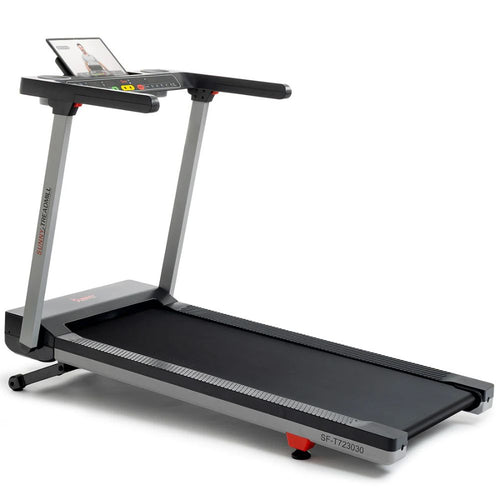
Pegasus Connected Folding Treadmill
Wide multi-ply running deck, soft-drop hydraulic fold-flat frame, and Bluetooth app connectivity for precision intervals.
6. Weekly Periodisation Schedule (4–5 Sessions)
To avoid overtraining the nervous system, structure your volume across alternating aerobic thresholds and unilateral recovery days:
| Day | Session Focus | Workout Protocol | Intensity |
|---|---|---|---|
| Monday | Race Simulation | 4 × (1 km Run + 1 Heavy Functional Station) | Zone 4 / High |
| Tuesday | Unilateral Strength | Walking lunges, single-leg RDLs, push press, and pull-ups | Moderate |
| Wednesday | Active Recovery | Foam rolling, mobility flows, and low-impact walking | Zone 1 / Low |
| Thursday | HIIT Conditioning | Burpee broad jumps, rower sprints, and wall ball EMOMs | High / Redline |
| Friday | Grip & Loaded Carries | 400m heavy farmers carry intervals + core stability holds | Moderate |
| Weekend | Full Rest / Recovery | Rest days to repair tissue and replenish muscle glycogen | Recovery |

7. Recovery, Nutrition & Longevity
The benefits of functional fitness go far beyond the competition arena. High-volume conditioning demands equal commitment to muscle repair:
- Targeted Myofascial Release: Spend 10 minutes post-session rolling the IT bands, quads, and calves to break up adhesions before DOMS sets in.
- Protein & Carbohydrate Intake: Consume 30 to 40g of quality protein within an hour of completing your intervals to support myofibrillar repair, paired with clean carbs to restock depleted glycogen.
- Progress Tracking: Benchmark your run splits and station times every 4 weeks. Measure pacing over raw speed—maintaining unbroken cadence yields the biggest drops in race-day finish times.
Why Functional Fitness Matters: The capacity to carry heavy loads, hinge safely, and jog with elevated heart rates protects your lower back, knees, and metabolic health in everyday life—whether moving furniture or carrying weekend groceries.
Recommended Gear for HYROX Home Training
Rubber Hex Dumbbells
Anti-roll hex casing with heavy knurled steel grips—ideal for farmers carries, push presses, and devil presses.

Cast Iron Kettlebells
Single-mould cast iron construction for goblet squats, lunges, and functional endurance circuits.
Pegasus Folding Treadmill
Commercial motor performance with soft-drop hydraulic fold-flat frame for small-space split running.






Leave a comment
All comments are moderated before being published.
This site is protected by hCaptcha and the hCaptcha Privacy Policy and Terms of Service apply.