



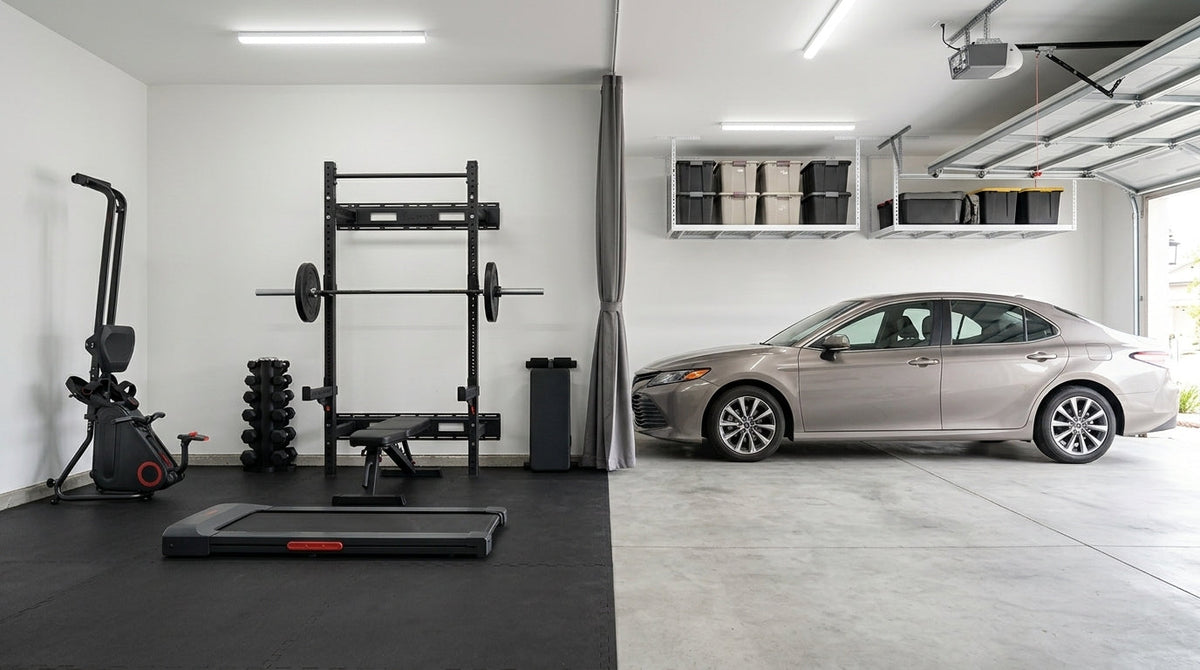
Building a dedicated fitness space doesn't require a massive basement or a sprawling commercial floor. With smart spatial planning, versatile equipment, and strategic vertical storage, even a spare corner or half of a garage can become a high-efficiency space.
Whether you want to keep half your garage open for parking or transform a small room into a functional workout sanctuary, these home gym ideas will help you maximize every square foot without feeling crowded.
Smart Layout and Equipment Ideas for Small Spaces
1. Wall-Mounted Folding Squat Racks
A wall-mounted folding rack is the ultimate cornerstone for a half-garage setup. These heavy-duty racks extend outward when you need to perform heavy barbell exercises, and fold flat against the wall (occupying less than 10 centimetres of depth) when you need to save space and park your car.

2. Heavy-Duty Rubber Gym Floor Tiles
Skip thin foam tiles for high-impact routines. High-density rubber gym floor tiles protect concrete foundations from dropped bumper plates, absorb shock and acoustics, and instantly zone off your workout area from the rest of the garage.

Heavy-Duty Rubber Gym Floor Tiles
High-density rubber tiles designed to absorb shock, reduce noise, and protect subfloors.
3. Vertical Storage Trees for Weight Plates
Floor space is prime real estate in a compact setup. Vertical storage towers hold iron weight plates, kettlebells, and accessories upward rather than outward, keeping walkways clear and eliminating trip hazards.

4. Space-Saving Rubber Hex Dumbbells
Replacing bulky rack setups with compact rubber hex dumbbells saves enormous amounts of room while providing a full spectrum of resistance for weight training.

Rubber Hex Dumbbells
Anti-roll rubber hex design ideal for versatile strength and weight training in tight areas.
5. Heavy-Duty Pegboards for Accessories
Utilize vertical wall space by installing industrial pegboards. Use heavy hooks to hang skipping ropes, resistance bands, lifting belts, collars, and wrist wraps cleanly out of the way.

6. Ceiling-Mounted Anchors and Pull-Up Bars
If your walls are occupied by shelving, look up. Securing a pull up bar or anchor rings directly to ceiling joists allows you to perform upper-body exercises and suspension training without consuming any floor footprint.

7. Mobile Equipment Carts on Wheels
Keep smaller gear—like foam rollers, chalk, massage guns, and light weights—in a heavy-duty rolling cart. Roll it into the centre of the room during a workout, then tuck it away into a cupboard or corner when finished.

8. Zone Separation with Heavy Curtains
In a shared-space garage, visual clutter can be distracting. Install track-mounted industrial noise-dampening curtains to divide the parking side from your dedicated training area.

9. Upright and Folding Cardio Equipment
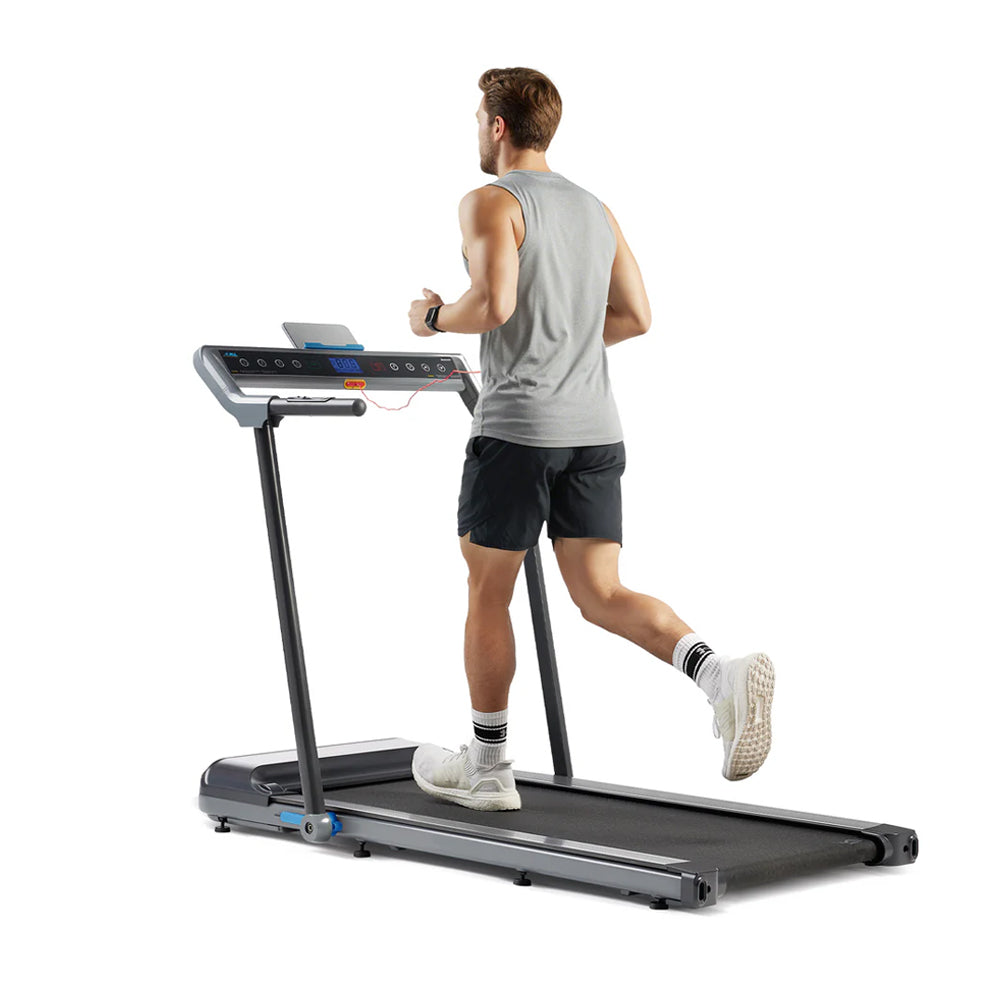
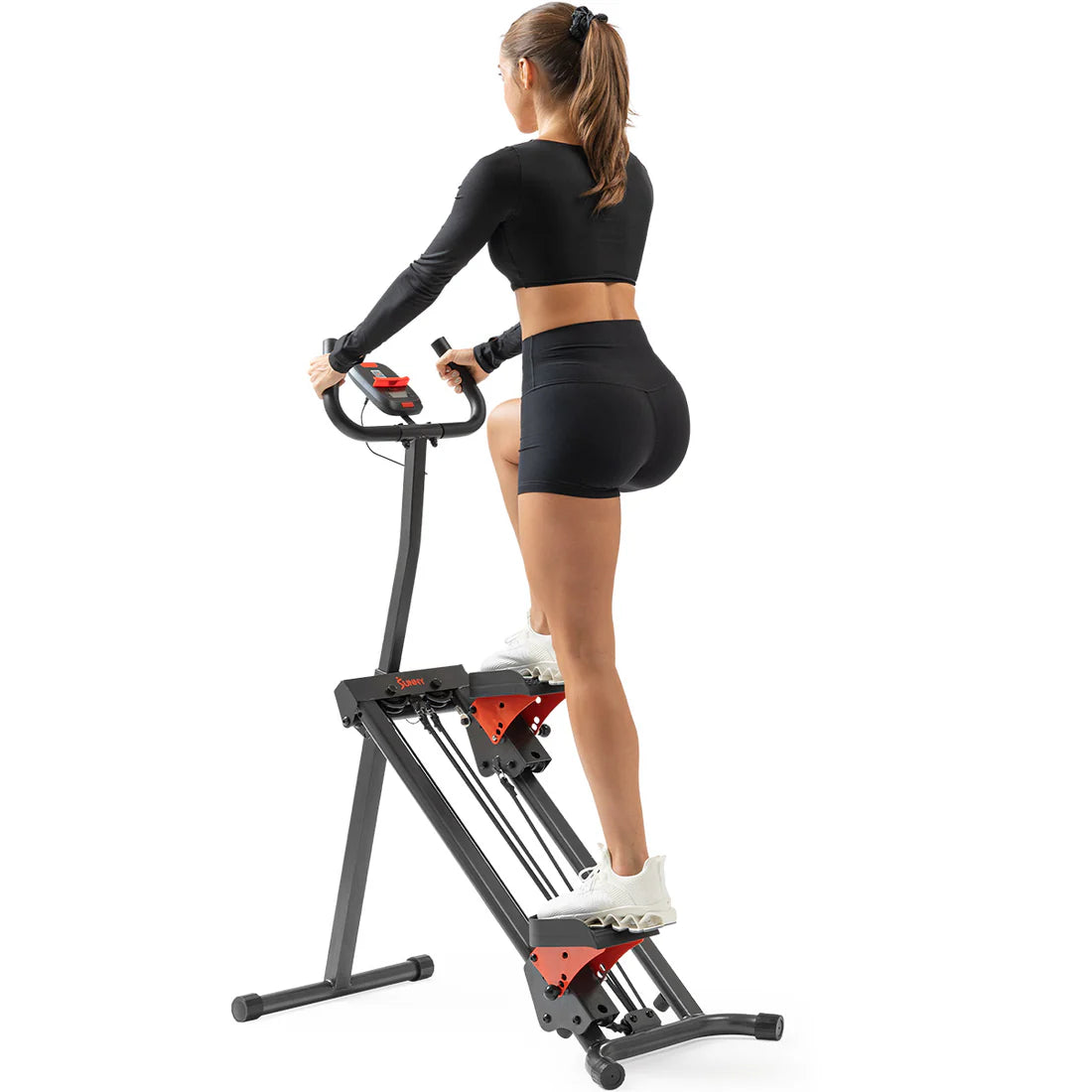
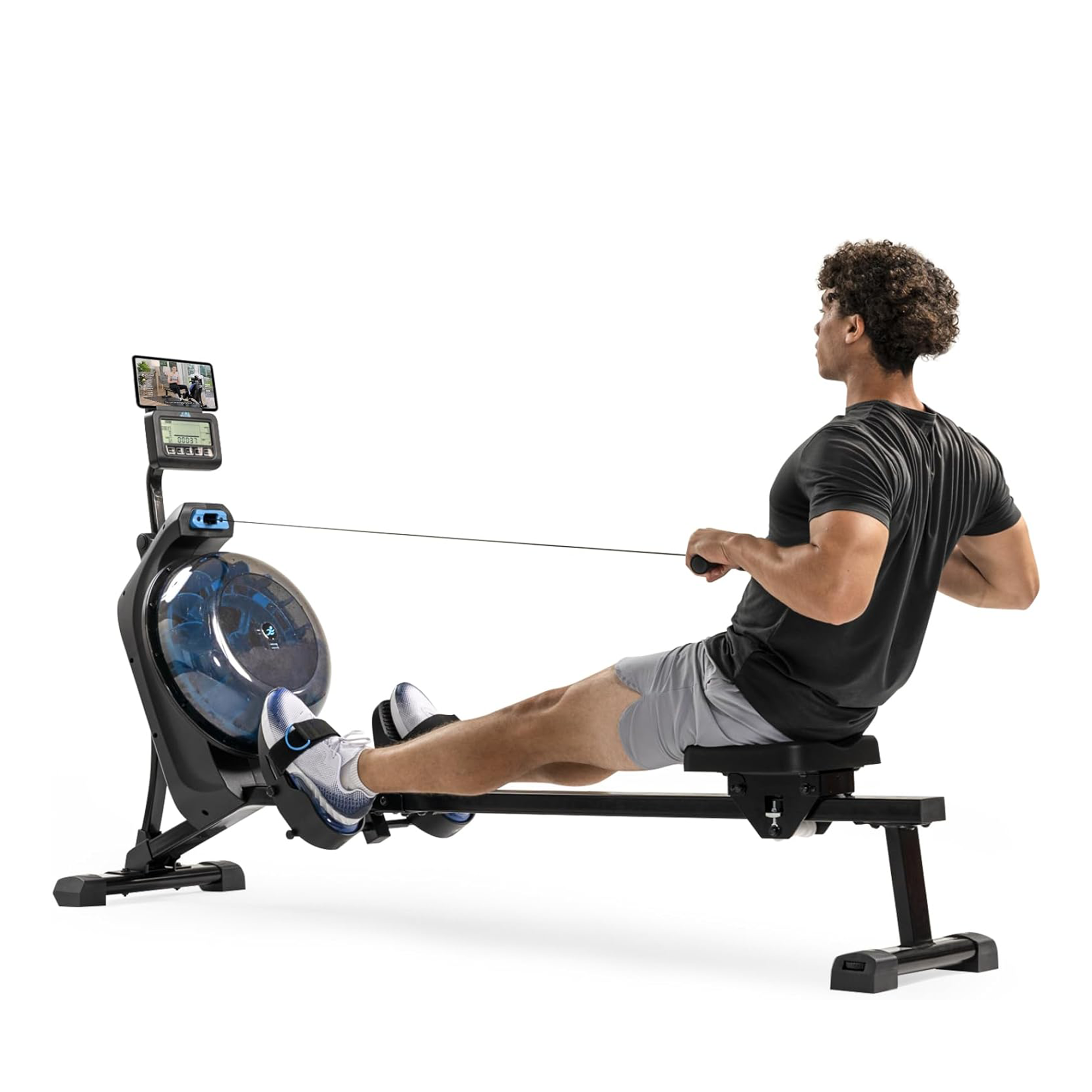
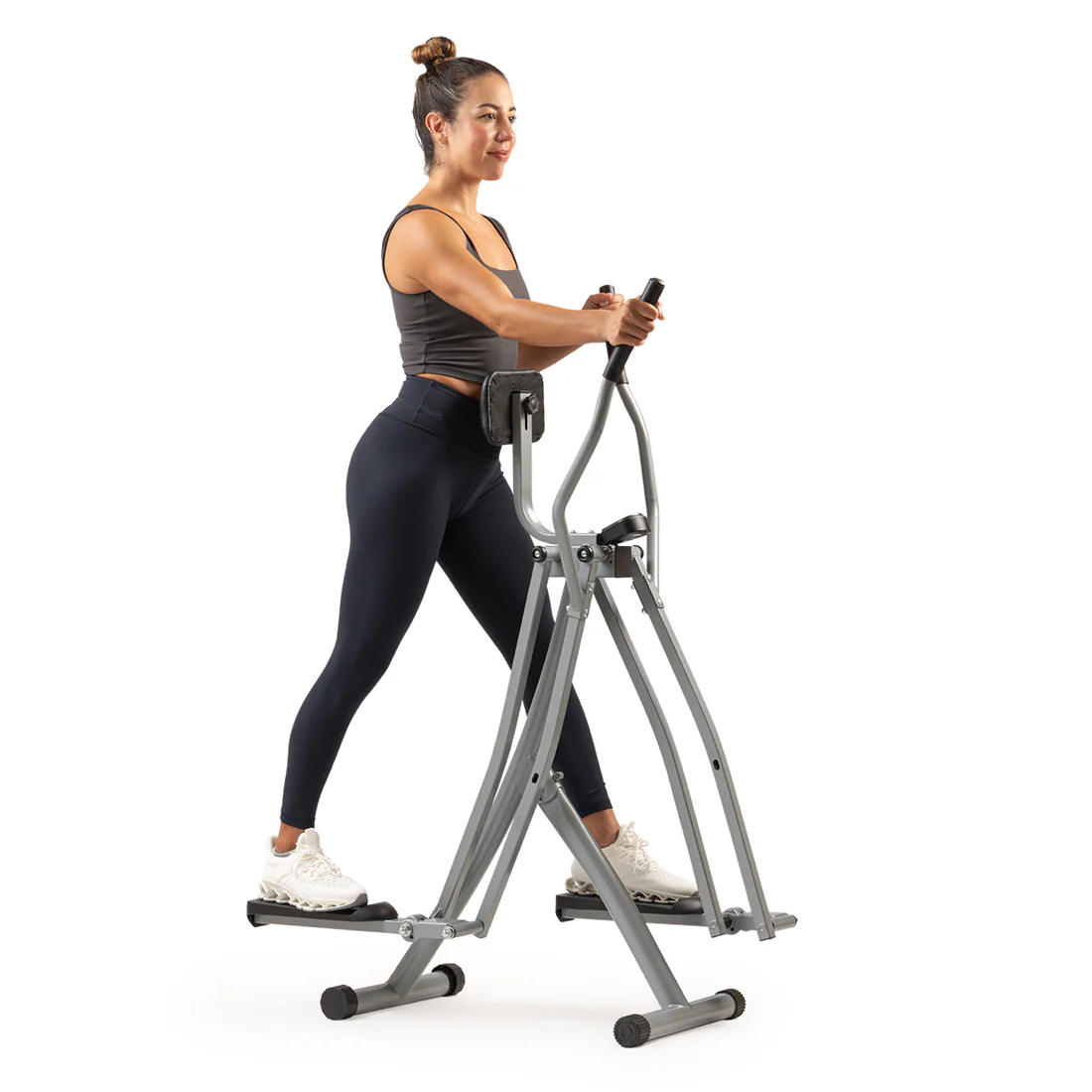
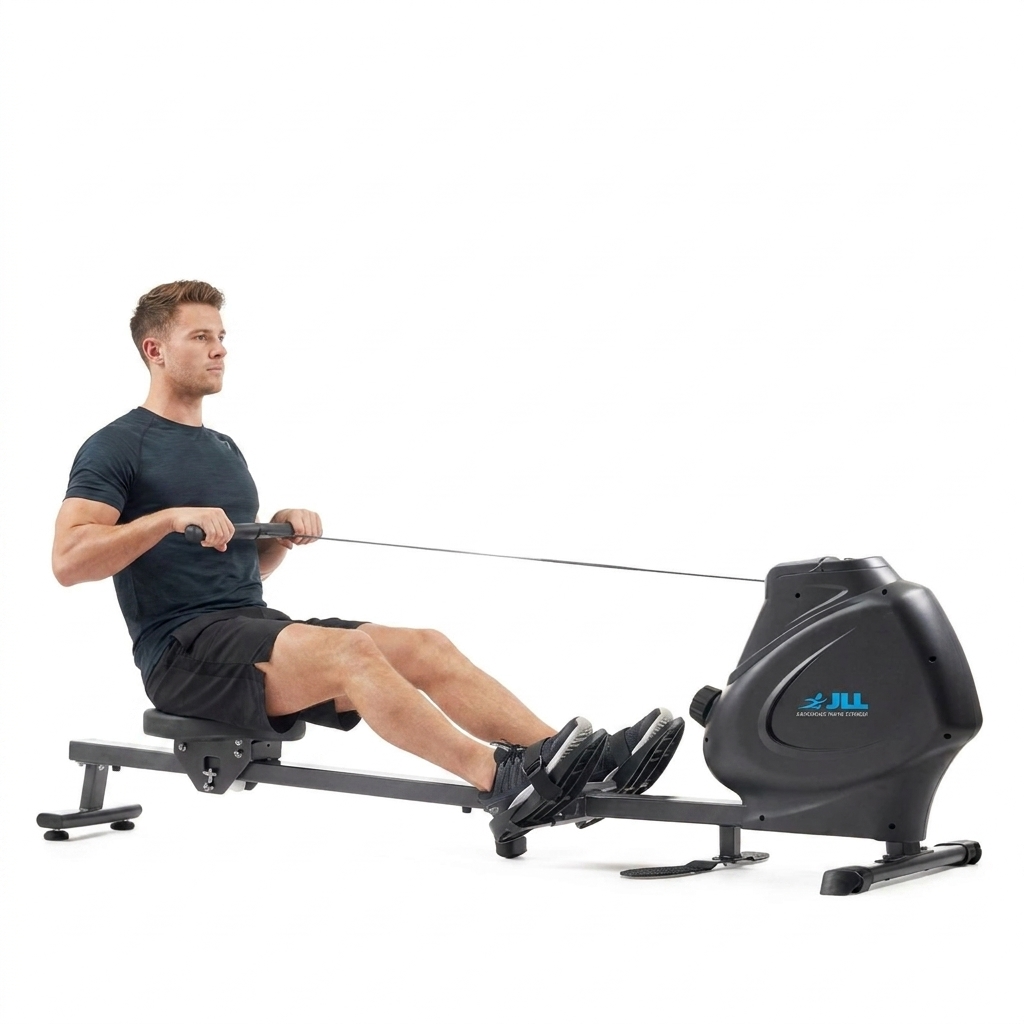
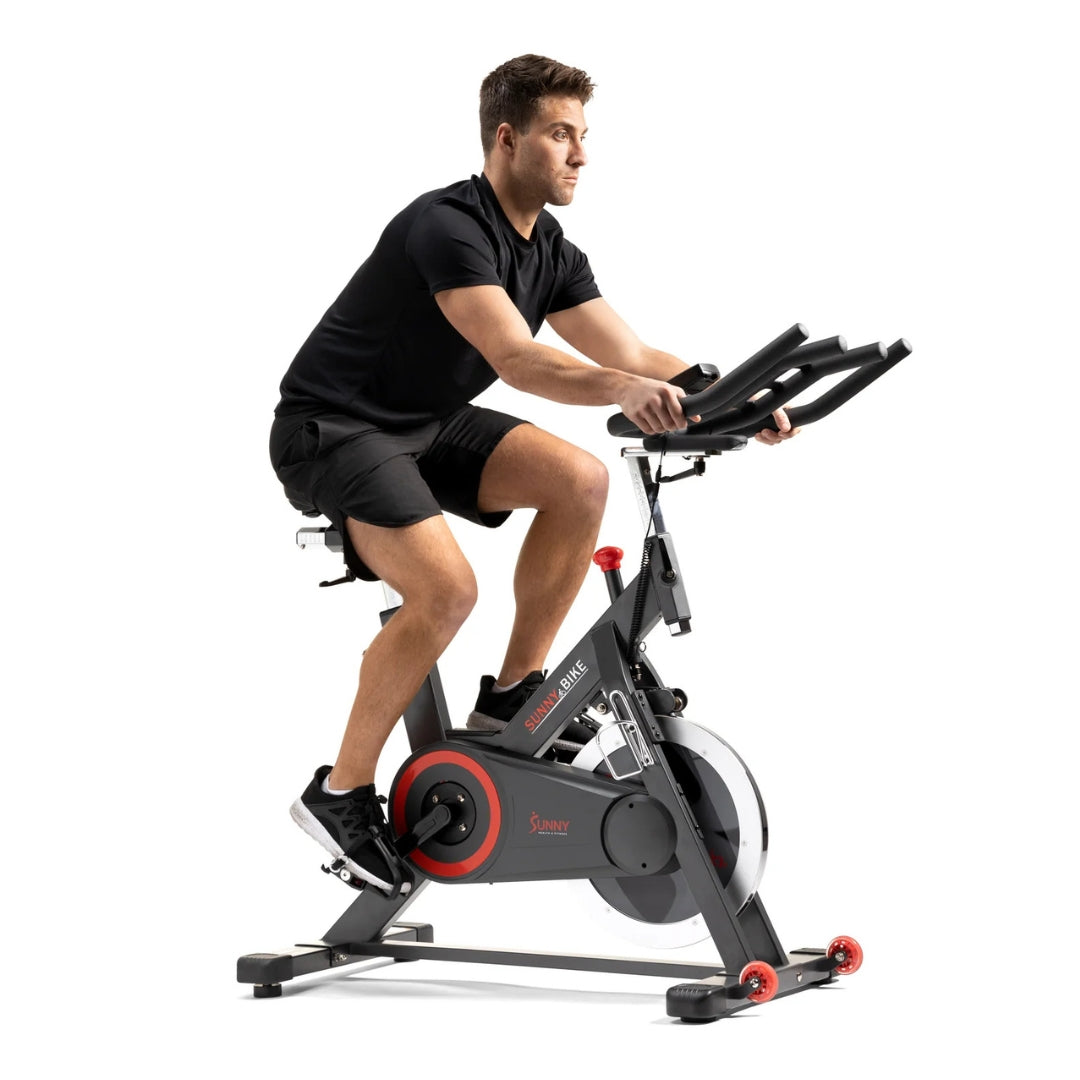
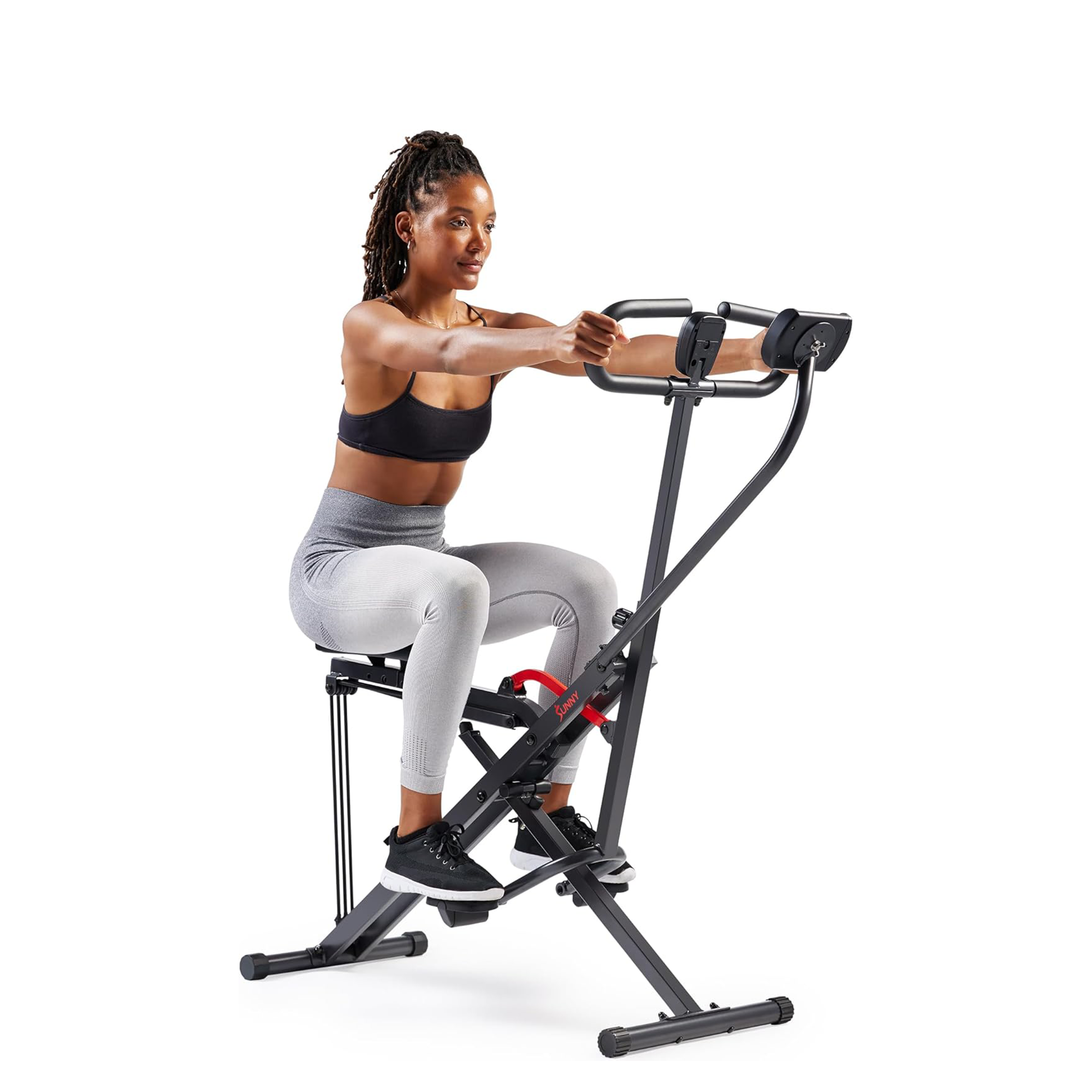
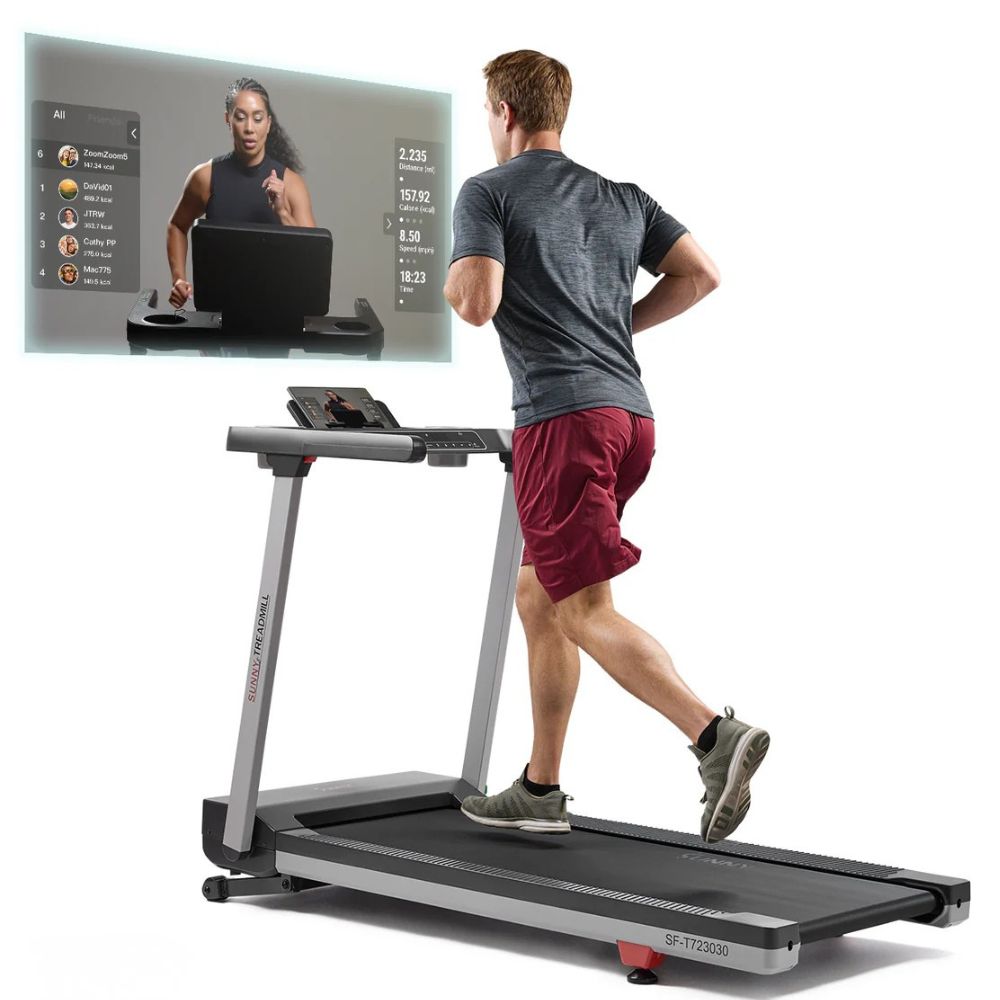
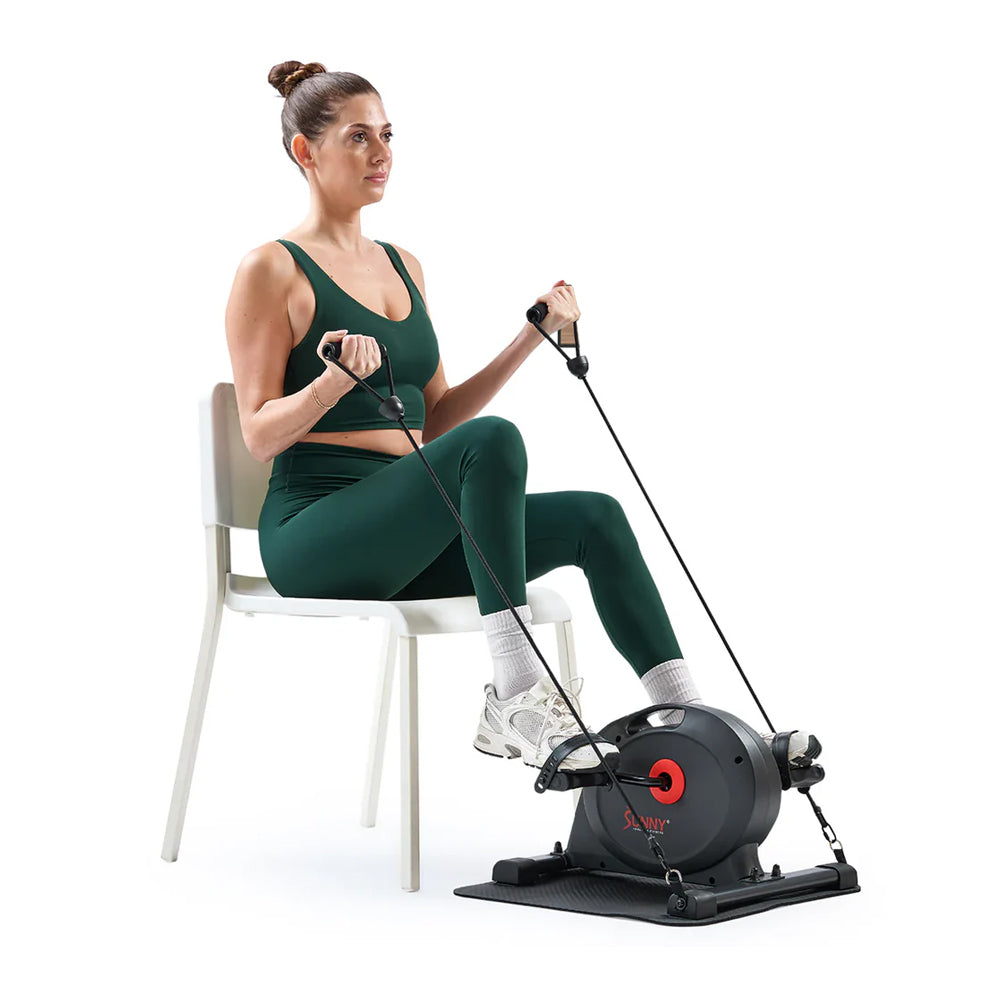
Cardio equipment is notoriously bulky, but compact models like vertical water rowers, smart foldable treadmills, or a compact stationary bike can be tipped upward or folded away to save valuable floor space.

Sunny Health & Fitness Foldable Treadmill
Slim, smart, interactive treadmill with auto incline that folds away easily to save floor space.
10. Multi-Height Resistance Band Wall Track
Mount a vertical steel track system with adjustable sliders to your wall studs. This provides multiple anchor points for band work, replicating cable pulley exercises at a fraction of the cost of gear found in commercial gyms.

11. Compact Storage for Yoga and Mobility Gear
For low-impact training, keep a high-grip yoga mat rolled up in an upright basket or wall rack. Having a dedicated mat ready to unroll instantly turns any open floor area into a stretching zone.
12. Drop-Down and Foldable Utility Benches
Avoid static benches that clutter small rooms. Choose a foldable, adjustable weight bench that can perform multi-angle training and store neatly when not in use.

B200 Adjustable Weight Bench
Versatile incline/decline bench built for multi-angle training and compact storage.
13. Full-Length Wall Mirrors and Natural Light
Installing frameless wall mirrors serves two functional purposes: it lets you monitor lifting form and visually doubles the sense of depth in tight quarters. Positioning your setup near a window to maximize natural light makes a small home fitness room feel significantly larger and more inviting.
14. Suspension Trainer Anchor Points
Suspension straps offer complete full-body workouts using bodyweight. By installing a simple wall or ceiling mount bracket, you eliminate the need for large structural machines.
15. Wall-Mounted Smart Digital Gyms
Smart workout mirrors combine digital resistance and personal coaching into sleek wall-hung units that project out only a few centimetres, making them ideal small space home gym equipment solutions.
16. Overhead Ceiling Storage Racks
Keep non-fitness clutter off the floor by mounting heavy-duty overhead wire racks for seasonal items and storage bins. This clears the ground level for your mats and rack setup.
17. Dual-Purpose Living Room or Office Nooks
If you don't have a garage or spare room, dedicate an empty corner of your living room. A stylish storage ottoman can discreetly hide kettlebells and bands while blending in with your home decor.
18. Wall-Mounted Climate Control
Garages suffer from extreme seasonal temperatures. Keep the floor clear by mounting high-velocity tilt fans or infrared heater units up near the ceiling joists for year-round comfort.
19. Wall-Mounted Barbell Hangers
Instead of letting barbells lean in corners where they can tip over, mount horizontal or vertical hangers directly into wall studs to keep bars secure and off the floor.
20. Essential Gear for Limited Spaces
You don't need massive weight stacks for a great workout. Investing in a tailored home gym setup designed specifically for limited spaces—focusing on multi-use gear like adjustable benches and kettlebells—yields maximum health benefits without clutter.
WHY A COMPACT HOME GYM IS A SMART INVESTMENT
Frequently Asked Questions (FAQ)
How much space do I need for a half garage gym?
A standard single garage bay in the UK is typically around 2.5 to 3 metres wide by 5 metres deep (12.5–15 sq m). Dedicated to a half-garage setup, an area as small as 2.5 x 3 metres (around 7.5 sq m) is sufficient for a wall-mounted squat rack, adjustable bench, and free weights while leaving ample clearance for a vehicle or storage.
What is the best flooring for a garage home gym?
Heavy-duty vulcanised rubber stable mats or rubber gym tiles (typically 17mm thick) are widely considered the gold standard in the UK. They cushion concrete, protect barbells, prevent slipping, and handle heavy point-loads without warping or off-gassing like thin EVA foam tiles.
How do I climate control a small garage gym?
In hot months, use high-velocity wall-mounted fans or a portable air conditioner paired with insulation on the garage door. In colder winter months, a radiant infrared wall heater warms objects and people directly without taking up floor space or needing time to heat the air.
How much does a basic small home gym cost?
A minimalist setup (rubber matting, adjustable dumbbells, resistance bands, and a flat bench) can cost between £250 and £600. A mid-range setup featuring a wall-mounted folding rack, barbell, bumper plates, and floor mats typically ranges from £1,000 to £2,000.




Leave a comment
All comments are moderated before being published.
This site is protected by hCaptcha and the hCaptcha Privacy Policy and Terms of Service apply.