


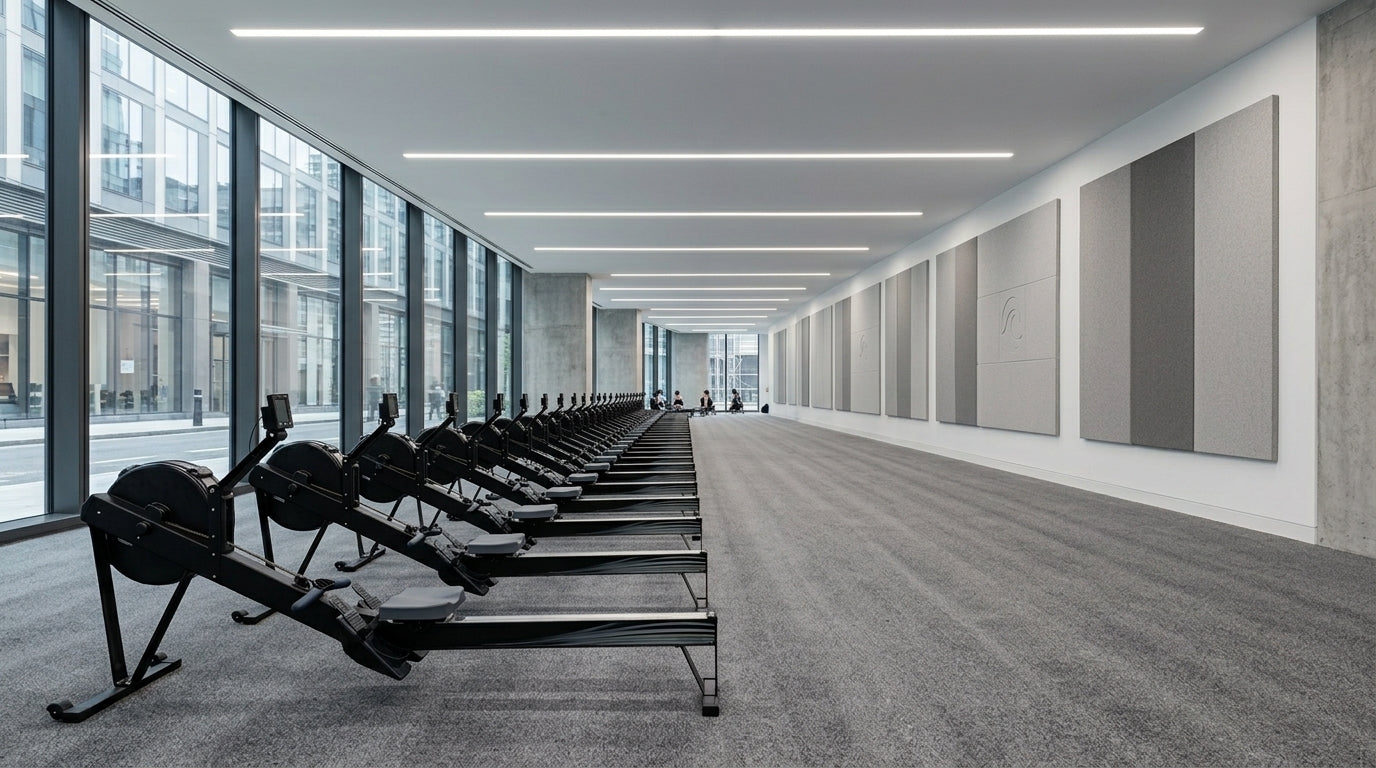
If you step into any local PureGym or David Lloyd in 2026, you’ll likely see the usual suspects: a long queue for the treadmills and a crowded floor around the squat racks. Meanwhile, the rowing machines—often tucked away quietly near the stretch mats—sit waiting for the few who know the real secret to efficiency.
For those looking for a high-impact result without the high-impact damage, the indoor rower (or "erg") is the undisputed champion of the British winter. Whether your fitness goals involve weight loss, improved cardiovascular fitness, or simply staying mobile, it’s time to swap the rain-soaked pavement for the slide.
1. The Ultimate All-Rounder for Full-Body Workouts
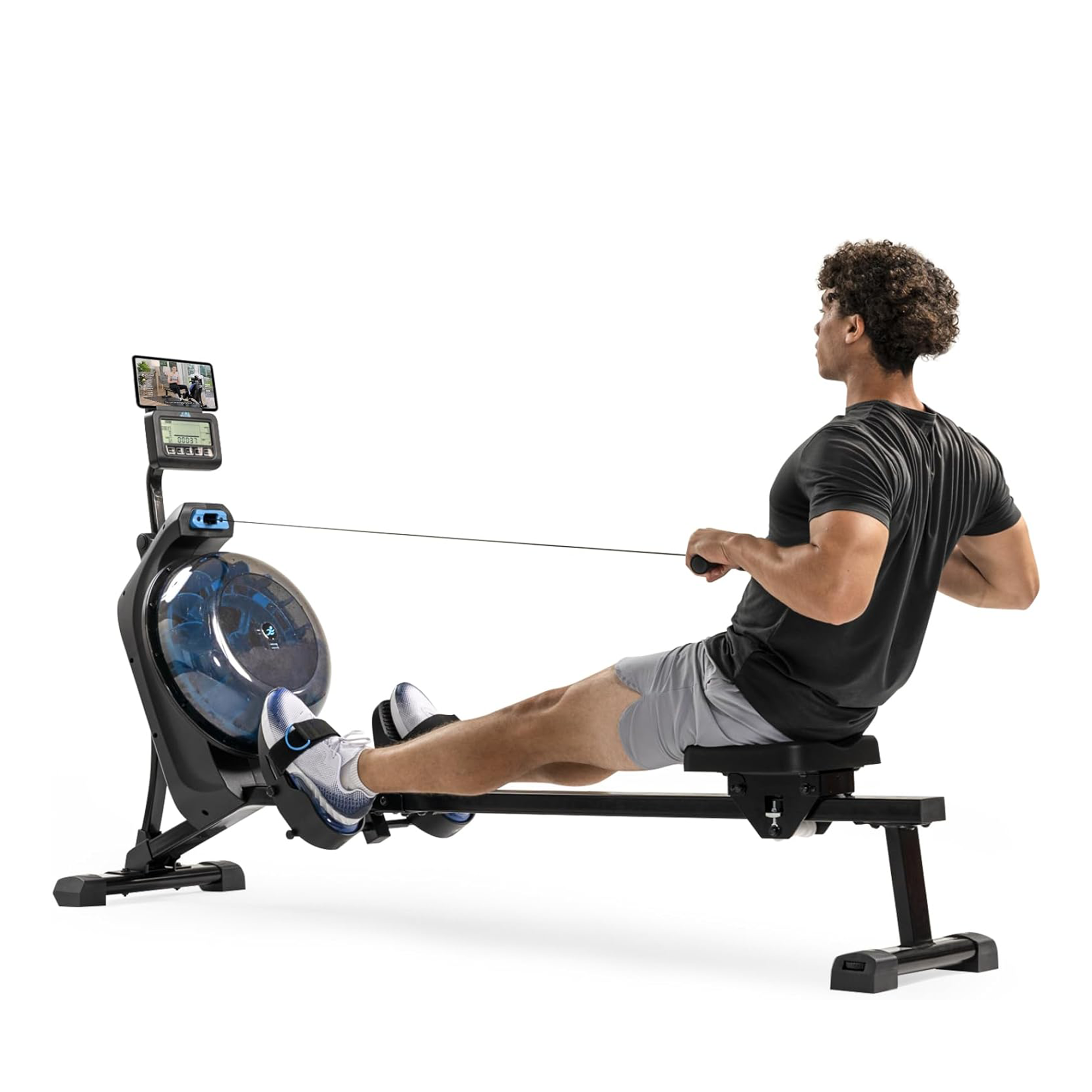
Most beginners mistakenly believe rowing is an upper-body exercise. In reality, it is one of the most complete full body workouts available, engaging 86% of your muscle mass in every single stroke. A proper sequence requires a specific power distribution across your major muscle groups:
- 60% legs: The power begins with a massive drive through the footplates, firing the quads, hamstrings, and glutes.
- 20% core: Your midsection acts as the transmission, bracing to transfer that leg power to the upper body.
- 20% pull: The stroke finishes with a fluid pull from the back and arms.
Unlike a jog, which primarily targets the lower body, a rowing machine workout is essentially "strength training disguised as cardio." It allows you to build strength and aerobic stamina simultaneously, making it the perfect tool for a time-crunched 45-minute lunch break.

2. Save Your Knees (and Your GP)
The UK has a massive running culture, but our hard concrete pavements are notoriously unforgiving. Physical therapists frequently recommend rowing because it is a low-impact, non-weight-bearing movement. Since your feet never leave the plates, there is zero jarring force on your joints. This helps prevent injuries common in high-impact sports like football or netball, ensuring your long term health remains a priority.
It’s the ideal cross-training tool for:
- Rugby and football players recovering from "turf" or ligament injuries.
- Office workers who need to "wake up" their glutes and hamstrings after sitting all day.
- Fitness levels of all ages, providing a safe way for those over 40 to maintain bone density and heart health.

3. Burn Calories and Fuel Fat Loss
Because rowing builds such a vast amount of muscle, the metabolic demand is staggering. A vigorous 30-minute row consistently burns more calories than a brisk walk or a steady cycle. For those specifically exploring rowing for weight loss, an intense workout can burn between 400 and 600 calories per hour, depending on the intensity rowing level and your body mass.
The magic happens after you stop. High-intensity rowing triggers Excess Post-exercise Oxygen Consumption (EPOC). This "afterburn" means your body continues to consume extra calories at an elevated rate for hours, aiding in significant fat loss while you’re at home enjoying a cuppa or your Sunday roast.

4. The Cure to "Office Slouch"
Modern British life is dominated by "forward-leaning" postures—hunched over laptops, steering wheels, or smartphones. This inevitable slouch leads to weak upper backs, tight chests, and rounded shoulders. Rowing is a "pulling" dominant exercise that specifically targets the posterior chain. By strengthening these areas, the rower naturally pulls your shoulders back and opens your chest, acting as a functional fix for your posture and helping you stand taller.
5. Mental Resilience and "The Rhythm"
There is a psychological benefit to rowing that is often overlooked. Unlike the constant visual stimulation of a treadmill screen, rowing requires focus on the "split" (your speed) and your stroke rate. Once you find your rhythm, the movement becomes meditative. In a high-stress world, 20 minutes of steady-state rowing can clear "brain fog" more effectively than almost any other physical activity. It teaches you to manage discomfort and maintain a steady heart rate under pressure—skills that translate directly to everyday life.
6. Accessibility for All Fitness Levels
One of the greatest myths is that you need to be an Olympic-level athlete to use an indoor rower. In truth, the machine is entirely self-paced. The harder you pull, the more resistance the fan or water creates. This makes it a "level playing field" for all fitness levels. A 70-year-old beginner and a 20-year-old athlete can sit on adjacent machines; both will get an intense workout perfectly scaled to their own capability.

7. Training with Heart Rate and Intent
To truly elevate your cardiovascular fitness, you shouldn't just pull aimlessly. Monitoring your heart rate allows you to train in specific zones. For a long, steady-state rowing machine workout, aim for Zone 2 (roughly 60-70% of your max heart rate). This builds an aerobic base that supports long term endurance.
If you want to torch calories fast, incorporate "Power 10s"—ten strokes of maximum effort—followed by a light paddle to let your heart rate recover. Ensuring you have an adequate rest period between these bursts is vital to maintain the quality of the stroke.

8. Choosing the Right Tool
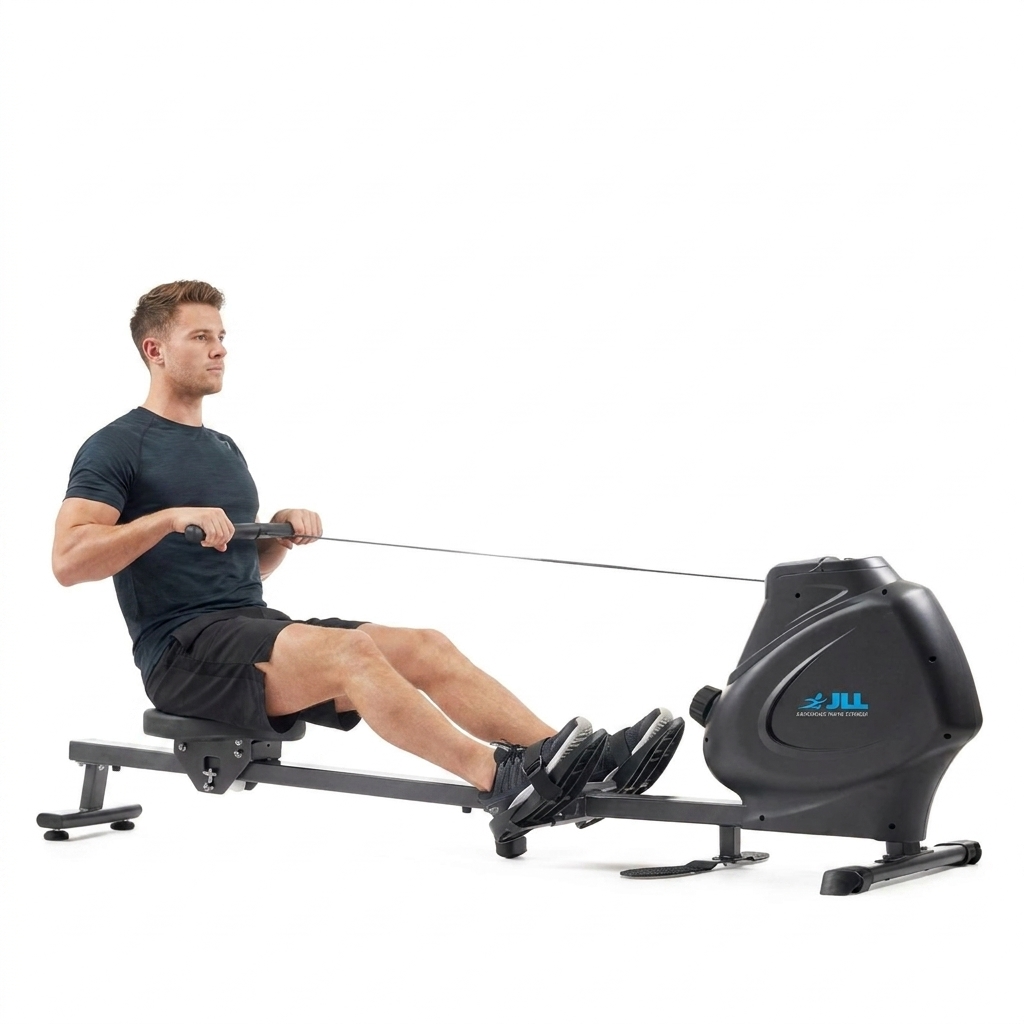
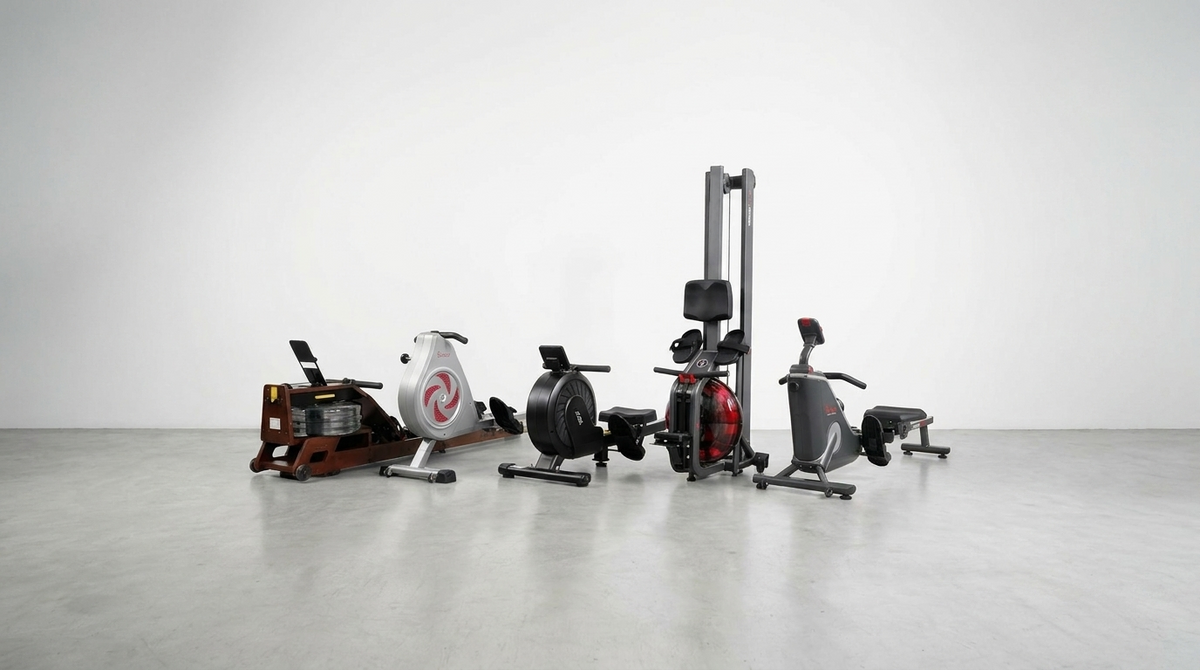
If you're ready to bring the gym home to avoid the British winter weather, selecting a machine that fits your space and budget is key. JLL Fitness offers a wide ranging selection of rowers designed specifically for the UK home user.
- Magnetic Rowers (JLL R300): These are perfect for those who need a whisper-quiet rowing machine workout. Using magnetic resistance, these machines allow you to gradually increase the difficulty through various levels without waking up the rest of the house. They are often foldable, making them a top choice for smaller UK flats.
- Water Rowers (The JLL Aqua Series): For those seeking a more authentic "on-water" feel, the Aqua series uses a water tank to provide natural, progressive resistance. The harder you pull, the more the water resists, offering a smooth and meditative intensity rowing experience that looks as good as it performs.
Final Word: Technique Over Speed
Before you start pulling as hard as you can, remember: Power, not speed. Many beginners move their seats back and forth as fast as possible, but this usually results in poor form and lower calorie burn. To see long term results, you must gradually increase your stroke power while keeping your stroke rate low (between 18 and 24 strokes per minute).




Leave a comment
All comments are moderated before being published.
This site is protected by hCaptcha and the hCaptcha Privacy Policy and Terms of Service apply.