


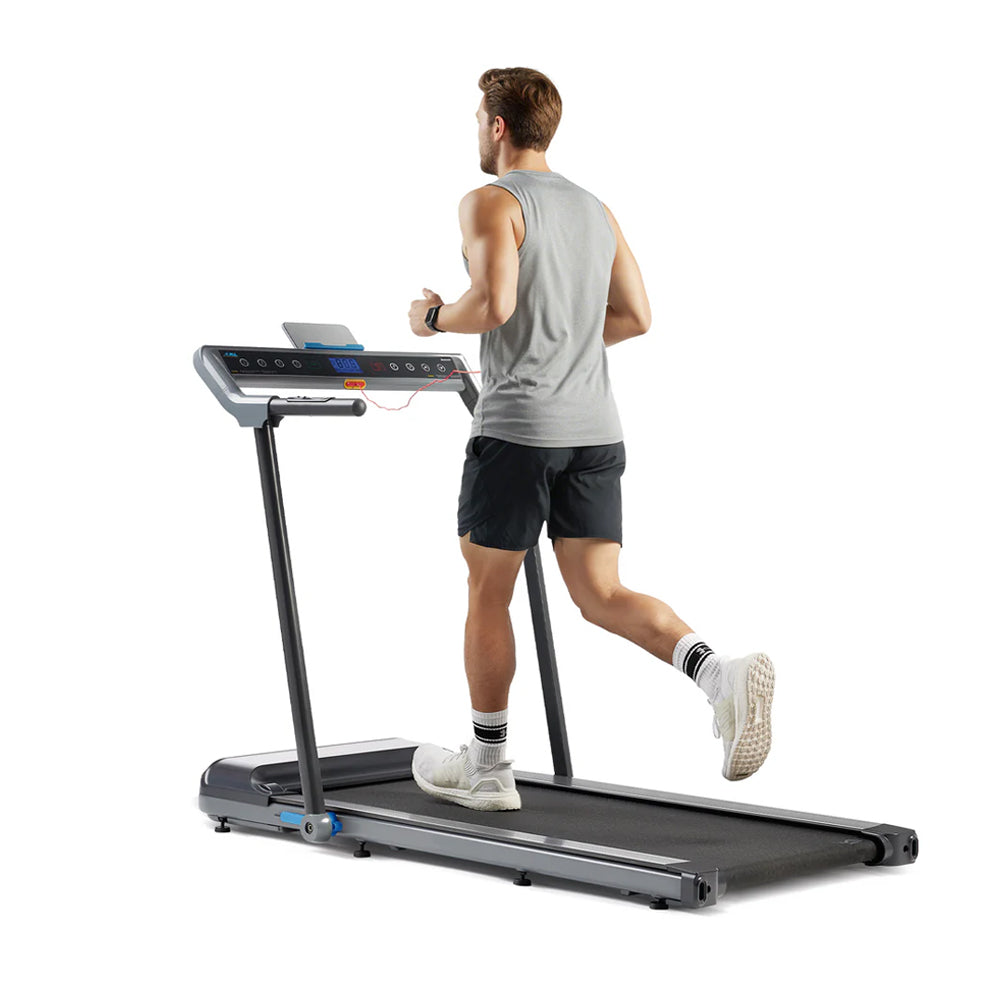
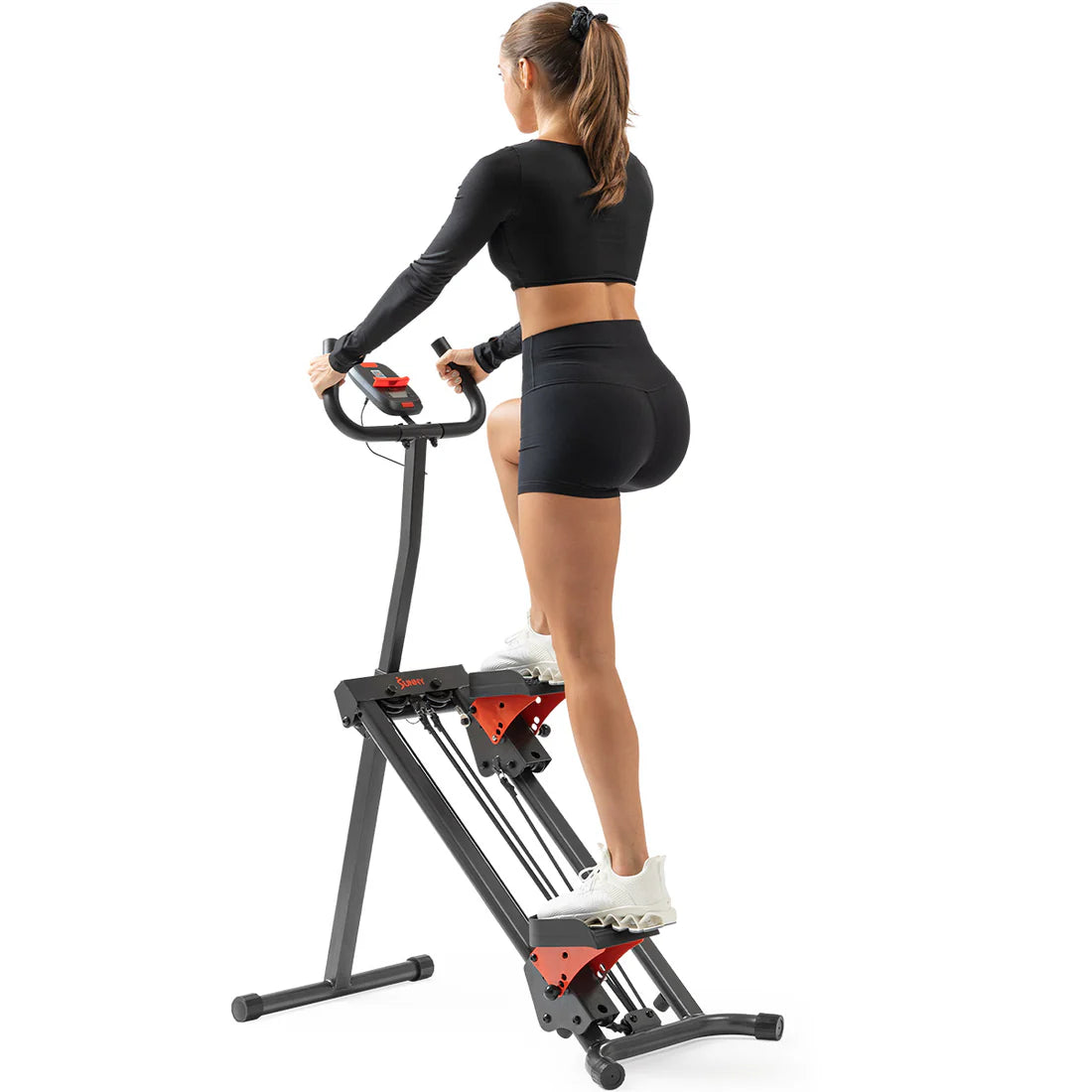
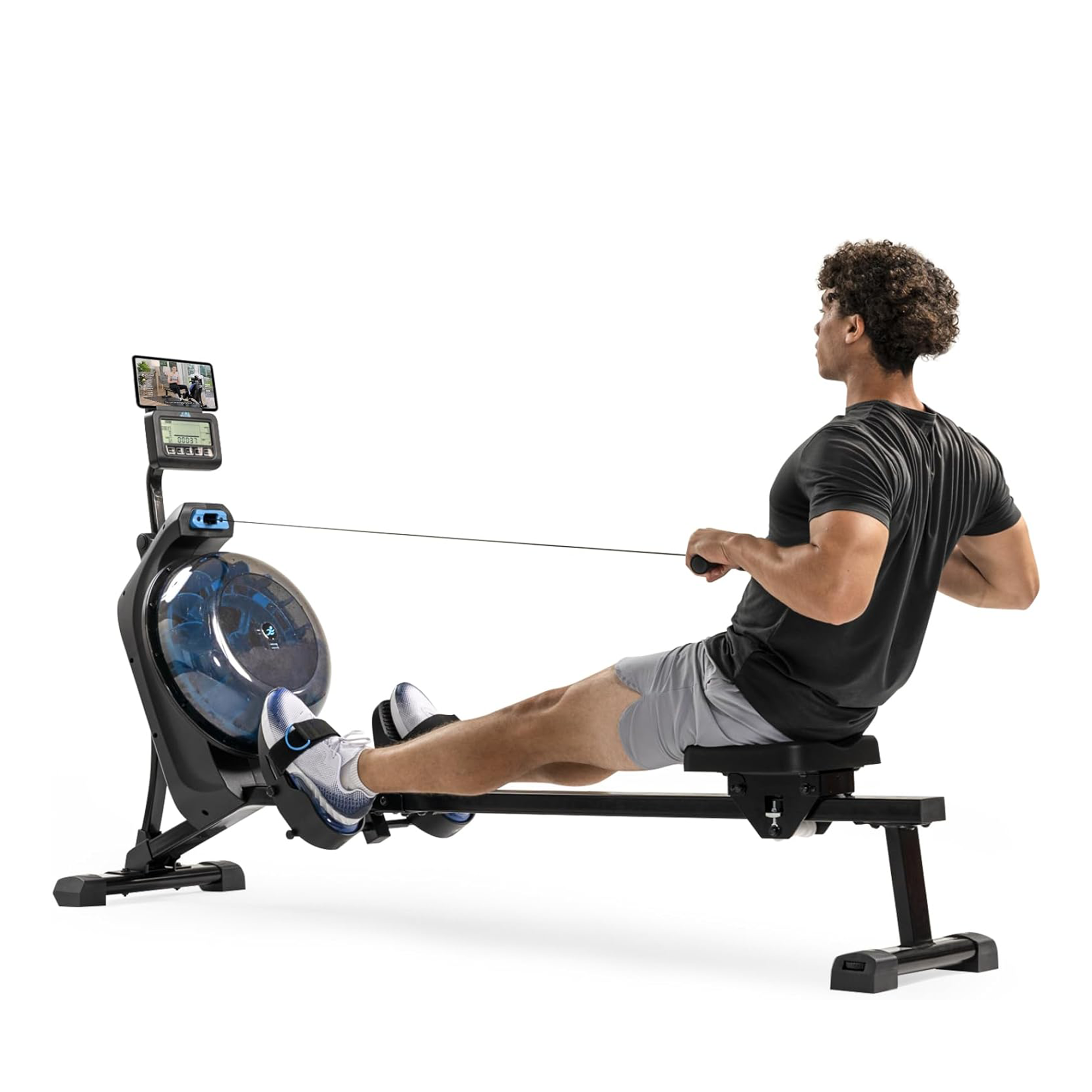
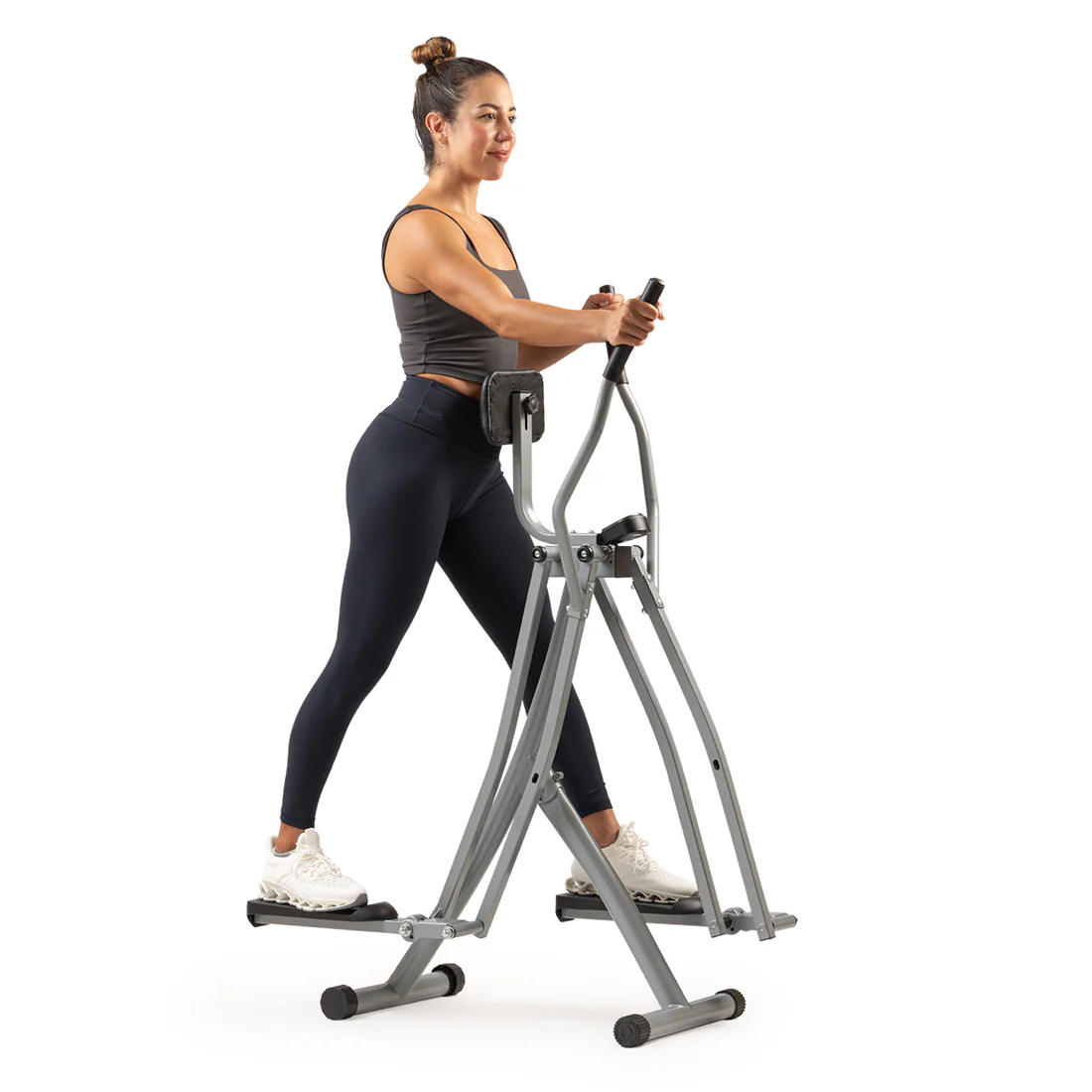
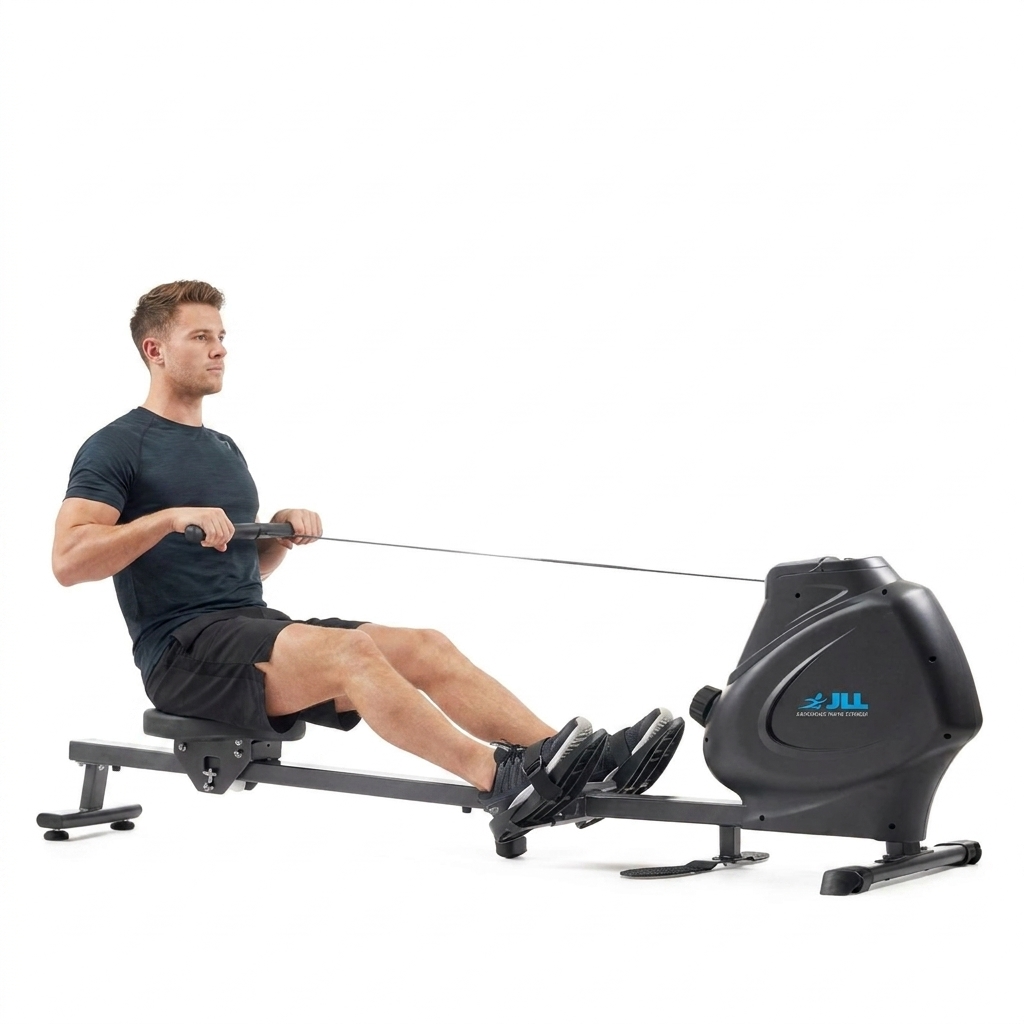

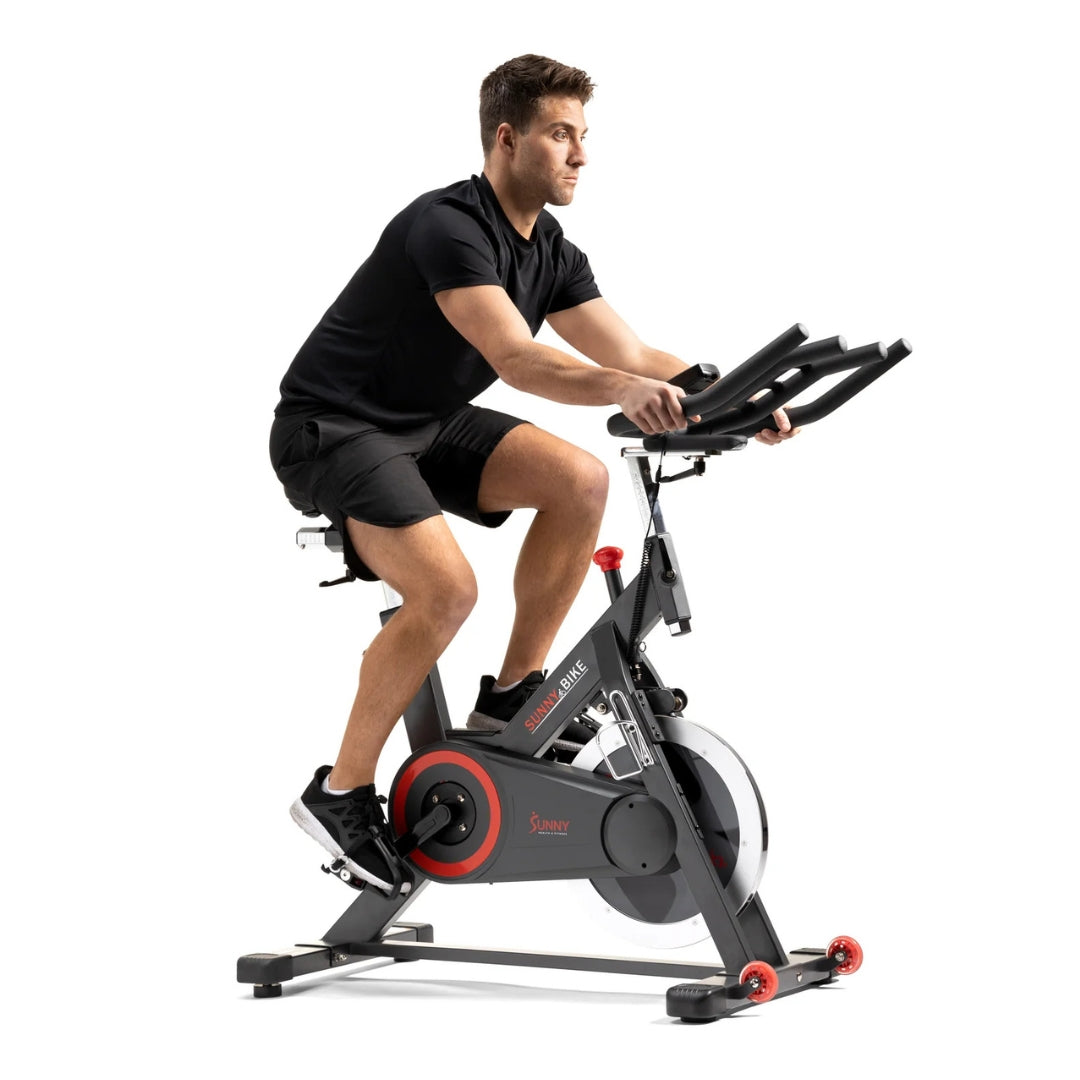
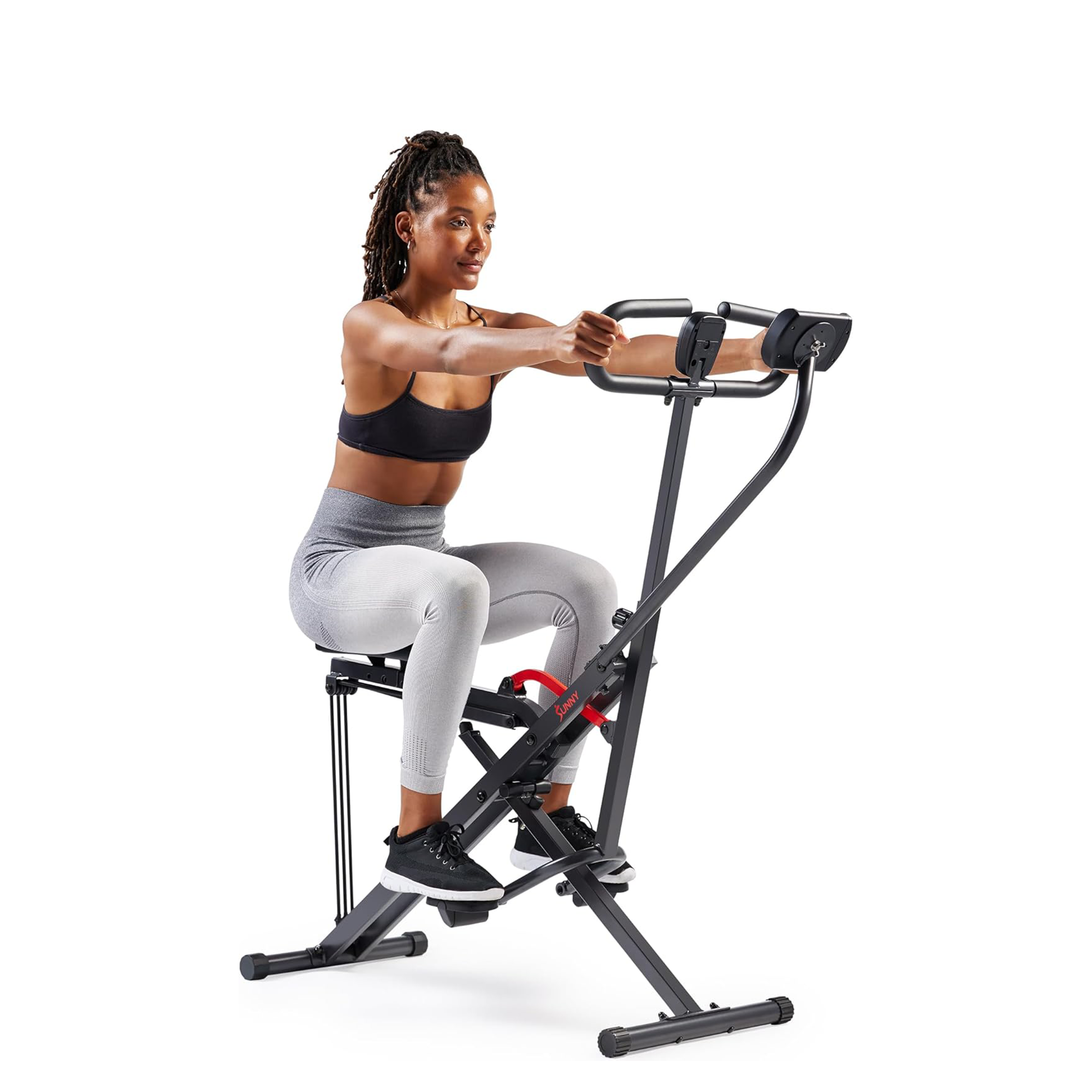
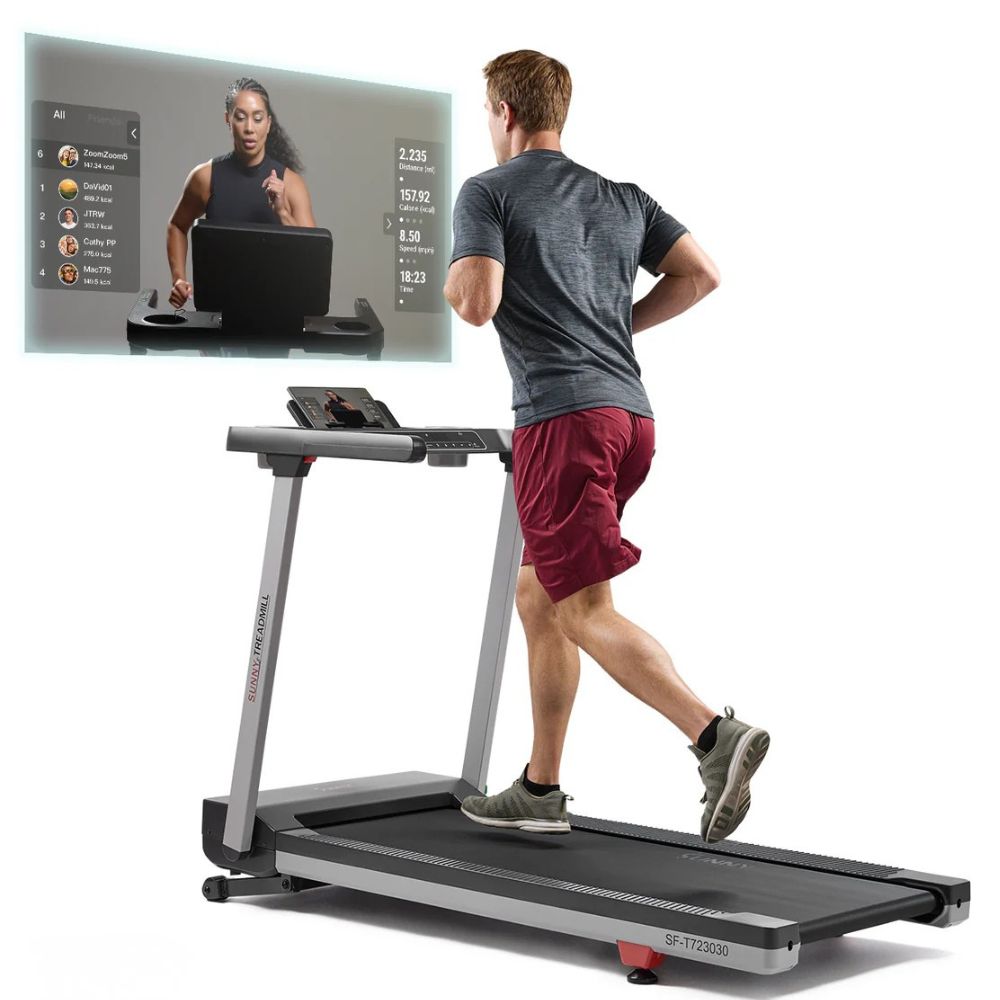
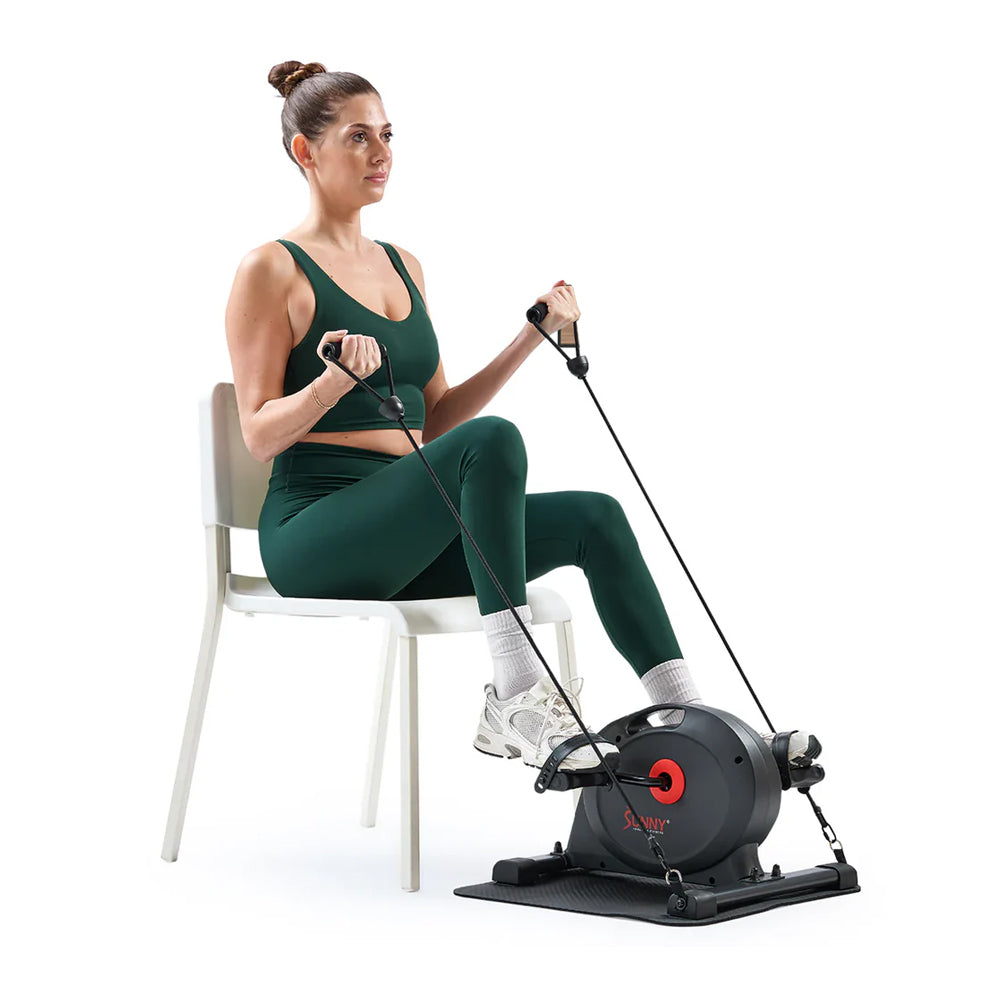
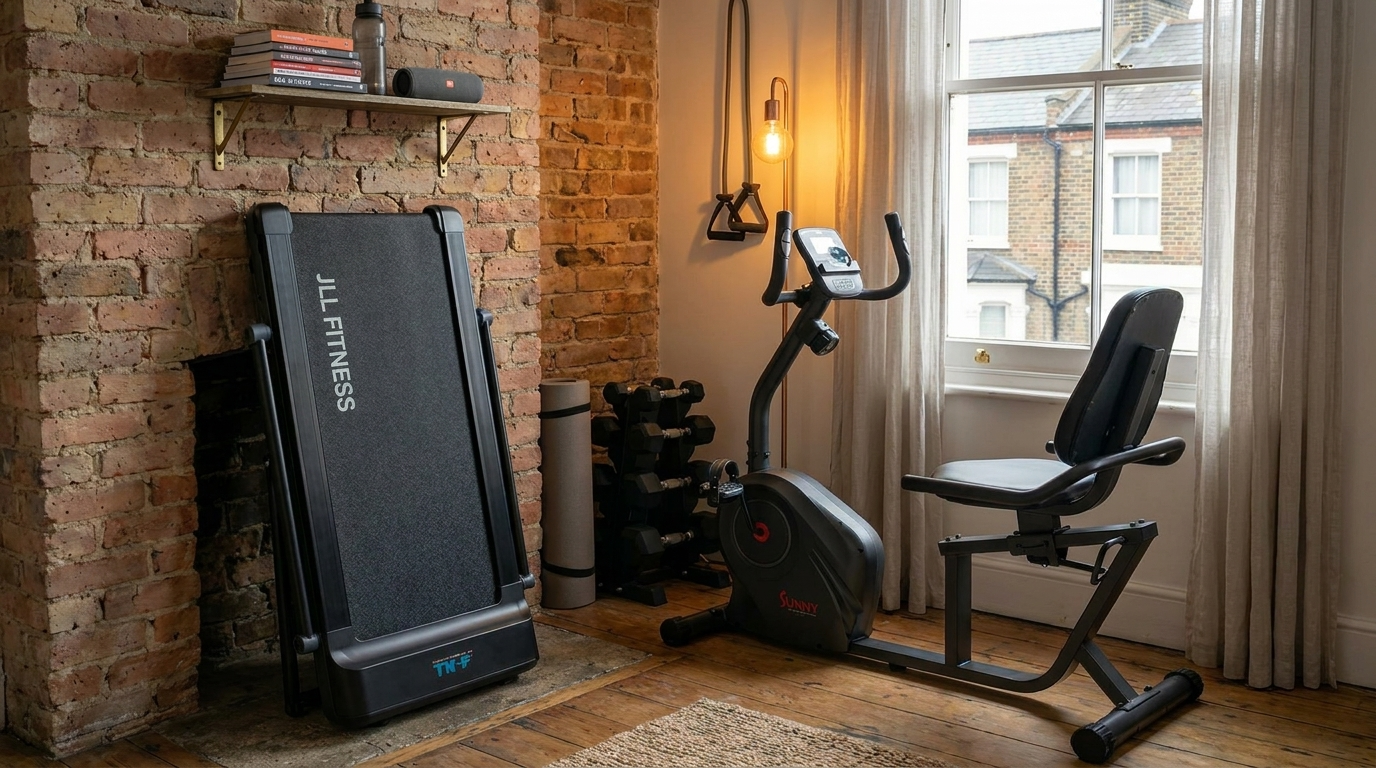
If you’ve noticed fewer people queuing for the squat rack at your local leisure centre lately, you’re not imagining it. In 2026, the UK fitness landscape has reached a tipping point. While gym memberships haven't disappeared, a massive number of us are deciding that the "commute to the treadmill" is a relic of the past.
According to the 2026 PureGym UK Fitness Report, while 48% of the UK population is currently exercising, the way we move is changing. From the rise of AI-driven personal trainers to the high cost of a London gym pass, here is why home workouts have become the primary choice for fitness in the UK.
1. The "Cost of Living" vs. The "Cost of Lifting"
Financial pragmatism is the undisputed champion of the home fitness revolution. With the average UK gym membership now hovering around £48 per month—and stretching past £75 in London—many households are doing the maths.
Data from YouGov highlights that 27% of those who cancelled their gym membership did so because it was simply too expensive. This is particularly true for the 45-to-54-year-old demographic, where 51% of those who cut fitness spending cited affordability as the main reason. For many, a day pass has become the preferred way to access a gym without the burden of a monthly contract.
The Financial Logic:
- One-time Investment: High-quality weights often pay for themselves in less than a year.
- Commuting Costs: You save on fuel, bus fares, and time.
- London vs. The Rest: While 60% of Londoners exercise (the highest in the UK), they often have higher incomes to offset costs. Elsewhere, like the East of England, exercise rates drop to 40% as budgets tighten.

2. The Rise of "Smart" Home Ecosystems
Home training used to mean guessing your way through a set of press-ups. In 2026, technology has bridged the gap.
The AI Revolution
A third (33%) of Brits now use AI tools to aid their fitness. Modern apps use your phone’s camera to provide real-time form correction—essential for safely performing strength training movements. For example, AI can ensure you keep your knees bent correctly during squats to reduce pressure on your joints.

Integrated Tracking
We are more connected than ever. Research shows:
- 61% use smartphones to monitor health.
- 42% rely on smartwatches to track physical activity.
- 37% feed performance metrics into AI to manage specific health conditions.
By using these metrics, users report an improved nervous system response to stress and a general mood uplift, as they can see tangible progress without a coach standing over them.
3. JOMO: Overcoming "Gymtimidation"
While many Brits (65%) are looking to improve their physical fitness this year, a phenomenon known as "Gymhibition" or "Gymxiety" is pushing people toward private spaces. Data from Vitabiotics suggests that 42% of adults suffer from a fear of exercising around others, citing concerns about body confidence (37%) and intimidation from more athletic gym-goers (33%).
This anxiety isn't distributed evenly. According to Join Levity, younger generations and women face the highest barriers:
- Gen Z & Millennials: 80% of Gen Z and 77% of Millennials have felt uncomfortable or anxious while working out.
- Gender Disparity: A staggering 85% of women feel anxious in the gym compared to 67% of men.
- The "Camera" Factor: 19% of Gen Z have actually skipped or quit the gym due to the fear of being recorded by others.


Training at home allows you to focus on building core muscles and improving mental wellbeing without the fear of being watched (32%) or judged on your appearance (70%).
Moreover, the NHS recommends at least 150 minutes of moderate activity or 75 minutes of vigorous activity per week, plus strength training twice a week.

While 61% of active Brits are successfully including strength sessions, only 3 in 10 are hitting their intensity targets. Transitioning to a home setup often helps people with long term fitness goals stay consistent; it's much easier to hit those 150 minutes when the "gym" is five steps from your bed.
4. Accessibility and Small Wins
The UK is moving away from high-intensity programmes. Only 2% of Brits are committing to intense routines like Hyrox, with 59% preferring "one small change" over a lifestyle overhaul.
Popular, accessible goals now include:
- Walking 10,000 steps a day (31%)
- Home workouts (36%)
- Prioritising sleep and hydration (22%)
5. Gen Z Leads the Charge
In a surprising shift, Gen Z has overtaken Millennials as the UK's most active generation, with 63% of 18-to-24-year-olds exercising regularly. While they are more likely to use a gym, they are also the most likely to drop a membership if they stop enjoying the experience. For them, the flexibility of a "hybrid" approach—splitting time between the gym and 24/7 home access—is the ultimate 2026 fitness hack.
The Future of Fitness
Is the commercial gym dead? Not quite. 42% of regular exercisers still hold a membership. However, for the average Brit, looking to stay healthy while navigating the cost of living, the home has officially become the UK’s favourite place to break a sweat.




Leave a comment
All comments are moderated before being published.
This site is protected by hCaptcha and the hCaptcha Privacy Policy and Terms of Service apply.