


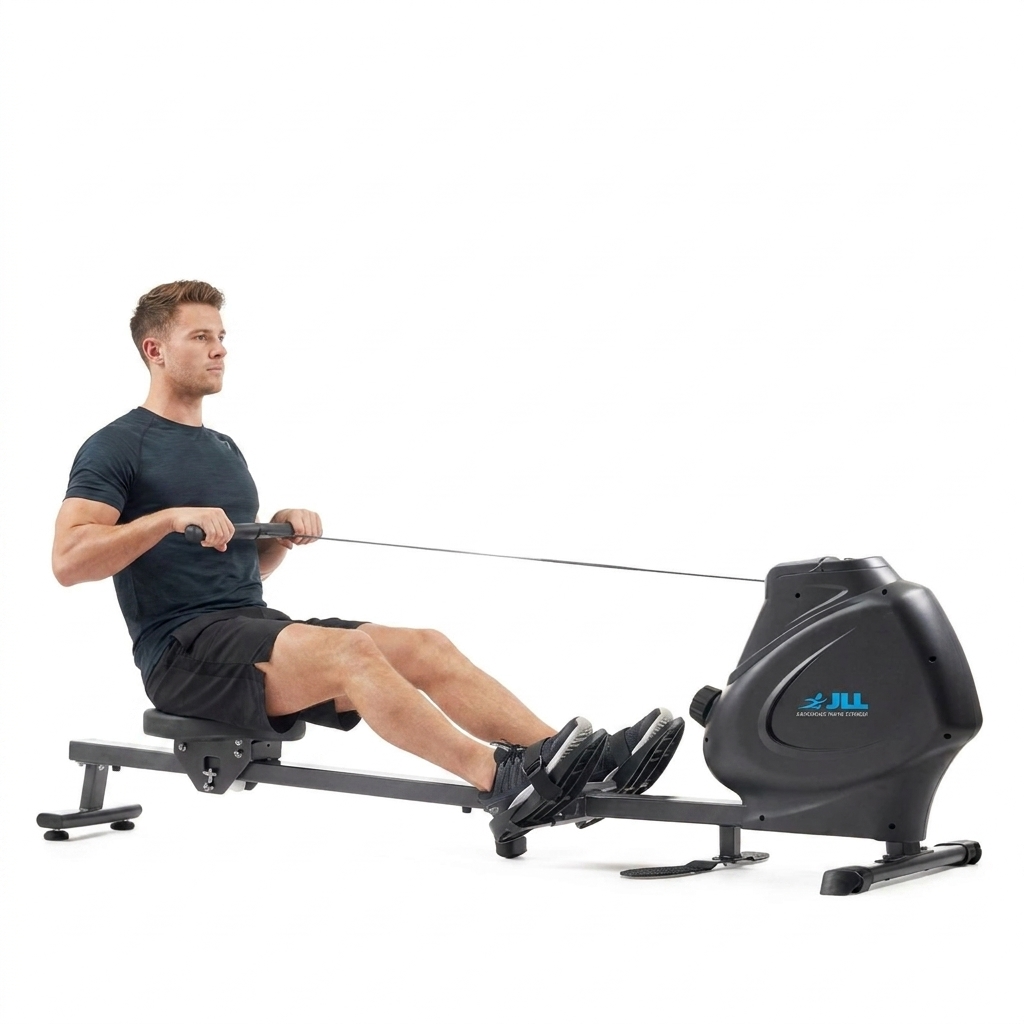

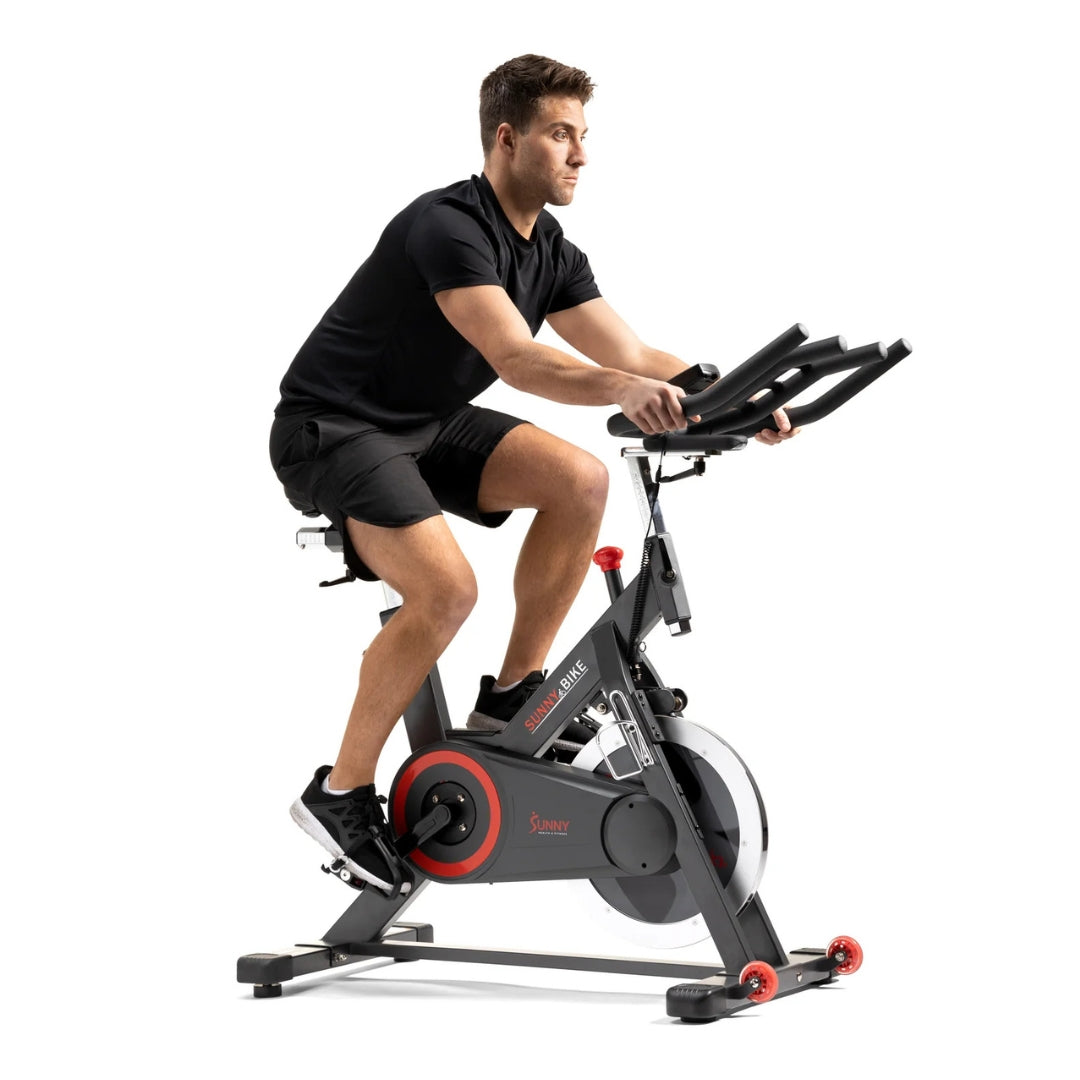
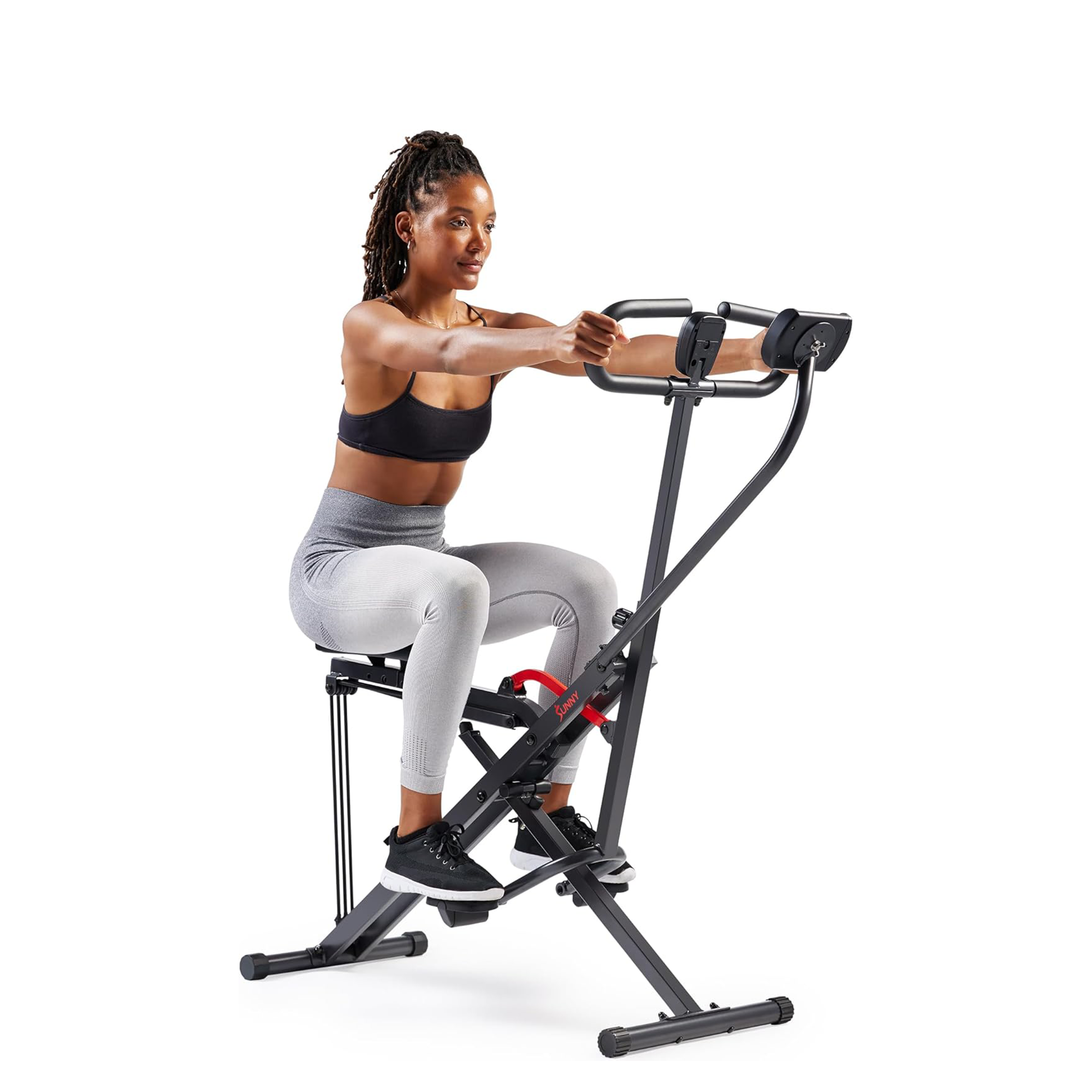
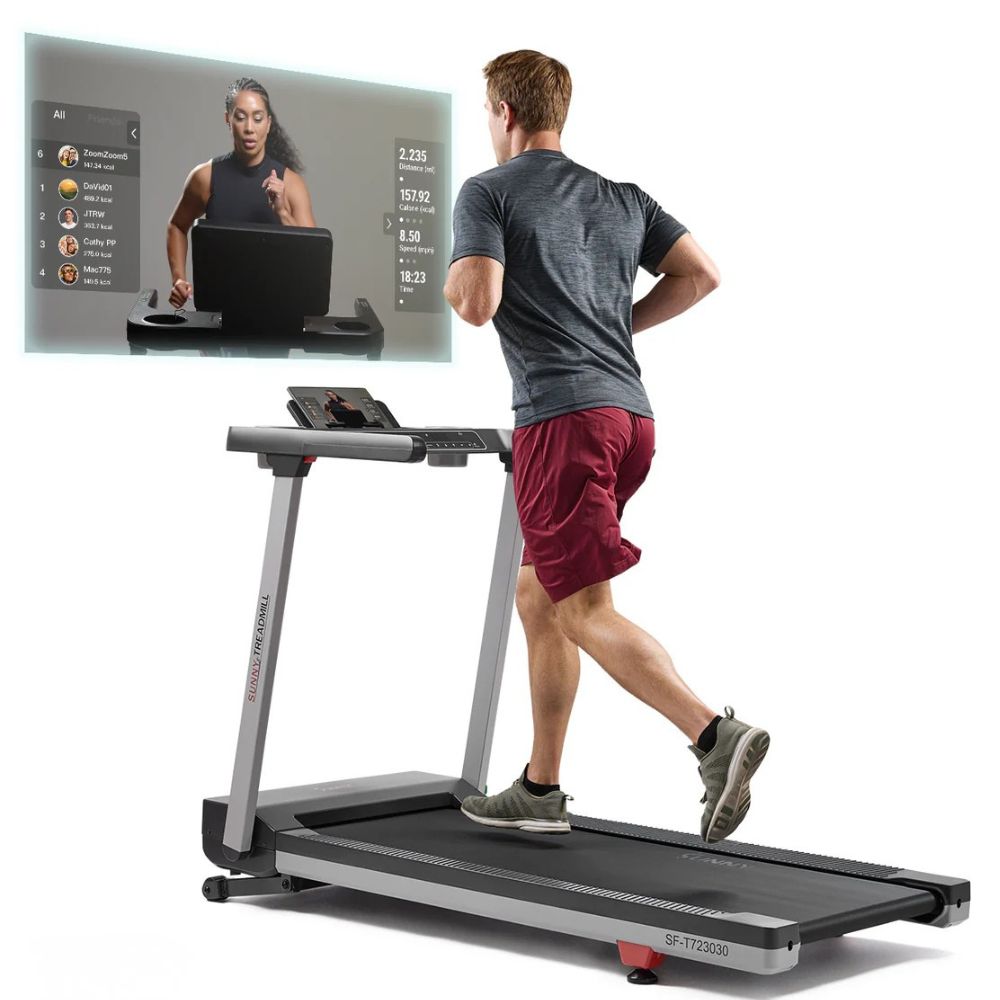
As the world’s elite cyclists ride high-performance road bikes across France for yellow, polka dot, and green jerseys, millions of us are watching glued to our screens. But you don't need to be in the French Alps to achieve your fitness goals or hit high calories burned metrics. By using an indoor exercise bike or stationary bike in your home gym, you can get a full body workout that burns fat, builds muscle, and boosts mental stamina without leaving your living room.
If you want to recreate Tour de France at home, progress your weight loss journey, or experience the rush of studio spin classes, structured indoor cycling workouts are the ultimate solution.

In this guide, we break down iconic tour de france stage profiles so you can crush your indoor cycling workout using an exercise bike, a spin bike, or another premium setup from jll fitness. Explore our wide range of exercise bikes to find your ideal match.
Why Indoor Training Works
Before jumping into the route profiles, it helps to understand why professional peloton riders spend hundreds of hours training on stationary setups during their off-season. Outdoor riding is incredible for handling skills, but indoor training offers complete control over your training environment. Without traffic lights, coasting downhill, or bad weather, every single pedal stroke generates continuous resistance.
When you ride indoors, your muscles are under constant tension. This creates higher muscular endurance in your quadriceps, hamstrings, glutes, and calves. Additionally, because you can precisely calibrate your resistance dials, you can target specific energy systems:
- Aerobic Endurance (Zone 2): Long, steady rides that teach your body to burn fat efficiently as a primary fuel source.
- Lactate Threshold (Zone 4): Hard, sustained efforts that increase your ability to buffer lactic acid buildup during steep climbs.
- Anaerobic Power (Zone 5+): Explosive, short intervals that build raw sprinting speed and peak cardiovascular power.
By replicating the varied terrain of the Tour de France through targeted indoor workouts, you can unlock these physiological adaptations much faster than casual, unstructured cycling.
1. Recreating the Mont Ventoux Climb
The Mont Ventoux climb is one of the most feared ascents in professional cycling. Rising over 1,900 meters into wind-swept limestone, this route demands relentless low-cadence power output and intense workouts under heavy muscle fatigue.
Climbing a mountain on a bike requires a decent amount of leg strength, mental endurance and efficient oxygen delivery. When riding up a steep grade, your pedaling cadence naturally drops from a fast 90 RPM down to a heavy 60–70 RPM. To simulate this indoors, you must increase the resistance dial significantly to mimic gravity pulling against your flywheel.

The 30 Minute Home Climb Workout Structure
| Phase | Duration | Cadence | Target Effort |
|---|---|---|---|
| Warm-Up | 5 Mins | 85–95 RPM | Low Resistance (RPE 3–4) |
| Lower Slopes | 7 Mins | 70–80 RPM | Moderate Resistance (RPE 6) |
| The Wall | 10 Mins | 60–70 RPM | Heavy Resistance (RPE 8) — Stand every 2nd min |
| Summit Attack | 3 Mins | 75–85 RPM | Max Resistance (RPE 9–10) — All-out finish |
| Cool-Down | 5 Mins | 80–90 RPM | Low Resistance (RPE 2–3) |
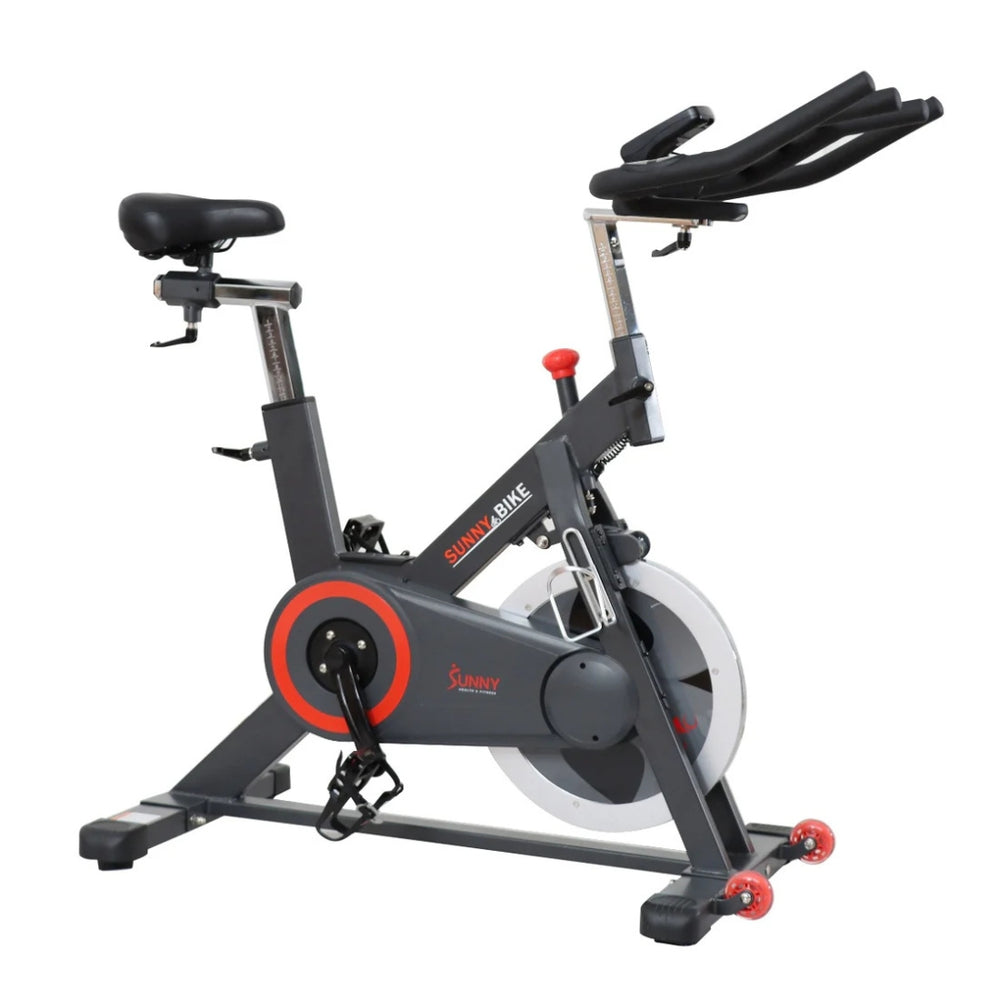
The Premium Smart Magnetic Belt Drive Indoor Cycling Exercise Bike
Features a heavy flywheel and smooth magnetic resistance system—built for stability during high-torque, out-of-saddle climbs.
View Premium Indoor Bike →2. Champs-Élysées Power Intervals
The iconic final stage in Paris culminates in a high-speed Champs-Élysées sprint. Success here requires explosive power, rapid cadence acceleration, and fast recovery times.
Sprinters in the Tour de France can generate over 1,500 watts of power in short, brutal bursts. While everyday fitness enthusiasts don't need to hit elite pro numbers, training in short, maximum-effort sprints recruits fast-twitch muscle fibers that traditional cardio misses. This explosive interval style elevates your Excess-Post-Exercise Oxygen Consumption (EPOC), meaning your body continues burning calories long after your workout ends.

The 20 - Minute HIIT Sprint Workout
- 00:00 – 04:00 (Warm-Up): 90 RPM | Light Resistance (RPE 4)
- 04:00 – 14:00 (Breakaway Laps): Repeat 10 Times: 30s All-out Sprint (110+ RPM, High Resistance) / 30s Active Recovery Spin (70 RPM)
- 14:00 – 16:00 (Final Lead-Out): 100+ RPM | Sustained High Effort (RPE 8–9)
- 16:00 – 20:00 (Cool-Down): 80 RPM | Flush out lactic acid (RPE 2)
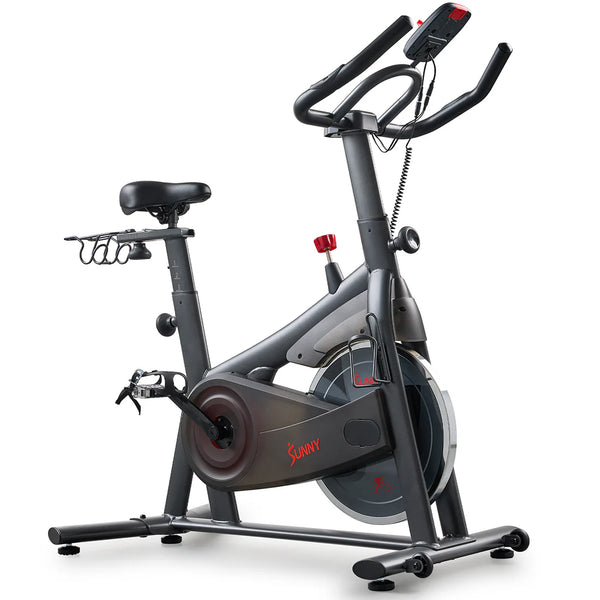
ACTIVE 200 MAGNETIC EXERCISE BIKE
Features a quiet belt-drive system and responsive resistance dial for smooth, instant transitions during fast cadence changes.
View Active 200 →3. Individual Time Trial
Time trials force cyclists to ride alone against the clock without drafting benefits. It is a pure test of steady aerobic endurance—holding your highest sustainable output for a fixed duration.
In a time trial, pacing is everything. Go out too hard in the first two minutes, and your legs will flood with lactic acid, forcing you to slow down prematurely. The goal is to find your "sweet spot"—a challenging effort level that you can maintain with unwavering focus and steady pedaling rhythm.
The Aerobic Threshold Workout
After a 5-minute warm-up, adjust your bike resistance so your effort level sits at 7/10. Pay attention to built-in heart rate monitoring to keep yourself in the target cardio zone, and maintain a cadence of 85–95 RPM for 15 unbroken minutes. Consistent pacing delivers exceptional long term endurance benefits.

Performance Interactive Recumbent Bike with Arm Exerciser
Ideal for endurance, this recumbent bike features 16 magnetic resistance levels, lumbar support, an LCD monitor, and pulse sensors for optimized joint-friendly heart-rate training.
View Performance Recumbent Bike →
Pro-Level Nutrition & Recovery for Home Cyclists
Executing high-intensity indoor sessions requires proper fuel and post-workout care. Professional cyclists eat meticulously to sustain their massive energy outputs, and while your sessions are shorter, applying basic nutrition principles will dramatically improve your results:
- Pre-Workout Hydration: Drink 500ml of water 1–2 hours before mounting your bike. Indoor workouts generate significant sweat loss because there is no natural wind to cool your skin.
- Fueling the Effort: For rides under 45 minutes, water is sufficient. However, if you are attempting back-to-back interval sessions, consume a small piece of fruit or an electrolyte drink 30 minutes before your ride.
- Post-Ride Recovery: Within 30 minutes of finishing your ride, consume a mix of protein and carbohydrates to rebuild muscle tissue and replenish depleted glycogen stores. Follow up with light stretching focusing on your hip flexors, hamstrings, and lower back to prevent tightness.
Looking to upgrade your home setup with some of the best home cycling bikes on the market?
EXPLORE EXERCISE BIKES NOW →




Leave a comment
All comments are moderated before being published.
This site is protected by hCaptcha and the hCaptcha Privacy Policy and Terms of Service apply.