




For decades, standard fitness programming has operated on a 24-hour male hormonal clock. Workouts are often designed around linear progression: lift harder, run faster, and repeat daily. While men and women share identical muscular systems, female physiology is governed by an infradian rhythm—a monthly cycle that plays an important role in regulating metabolism, energy, and mental focus.
Understanding how your body releases hormones throughout this rhythm is the foundation for lasting progress. When you align your home training with these fluctuations—a practice known as cycle syncing—you work with your biology rather than against it. Syncing workouts helps protect against hormonal imbalances, eases chronic stress, and aids in reducing the risk of burnout and injury, all while supporting your overall health.
The Four Phases: Physiology & Home Workout Guide
1. Menstrual Phase
Hormone Profile: Oestrogen and progesterone are at baseline; the uterine lining sheds.
What’s Happening in the Body
The first day of your period marks Day 1 of your cycle. As the uterine lining sheds, the body constricts small blood vessels in the endometrium via prostaglandin release, which can trigger cramping and lower back fatigue. Both oestrogen and progesterone sit at their monthly baseline. Energy levels may feel low during heavy menstrual periods, but as systemic inflammation clears, your body prepares for a fresh physiological cycle.
Home Workout Strategy
Focus on restorative movement, mobility, and pelvis-relieving stretches. Pushing maximum intensity right now adds unnecessary sympathetic stress, whereas low-intensity steady-state (LISS) movement improves pelvic blood flow to ease discomfort without elevating cortisol.
- Target Intensity: Rate of perceived exertion (RPE) 2–4 out of 10
- Best Modalities: Yin yoga, gentle pelvic mobility, deep hip openers, low-intensity steady-state (LISS) walking.
Sample 20-Minute Home Routine:
- Child’s Pose with side reaches (3 minutes)
- Cat-Cow to gentle downward dog (2 minutes)
- Supine Figure-4 stretch (2 minutes per side)
- Reclined butterfly (Supta Baddha Konasana) with deep diaphragmatic breathing (5 minutes)
- Legs-up-the-wall posture (8 minutes)

2. Follicular Phase
Hormone Profile: FSH stimulates follicles; oestrogen rises steadily.
What’s Happening in the Body
Inside the ovaries, Follicle-Stimulating Hormone (FSH) nurtures developing eggs until a single dominant follicle emerges to prepare for ovulation. Oestrogen surges, enhancing insulin sensitivity and glycogen storage. This anabolic environment accelerates the repair and growth of muscle tissue, priming your body for explosive cardio, higher training volume, and efficient energy expenditure that supports sustainable weight loss.
Home Workout Strategy
This is your progressive building phase. Your stamina, recovery speed, and mental drive are climbing quickly, making it the ideal window for conditioning and metabolic circuits.
- Target Intensity: Rate of perceived exertion (RPE) 7–9 out of 10
- Best Modalities: Bodyweight high-intensity interval training (HIIT), tempo resistance circuits, plyometrics, skipping rope intervals.
Sample 30-Minute Home Routine (Dumbbell/Bodyweight Circuit):
Warm-up: Inchworms, world's greatest stretch, star jumps (5 mins)
Circuit (3–4 rounds, 45s work / 15s rest):
- Dumbbell thrusters or jump squats
- Renegade rows to push-up
- Alternating reverse lunges with overhead press
- Mountain climbers or high knees
- Plank shoulder taps

3. Ovulatory Phase
Hormone Profile: Oestrogen peaks alongside luteinising hormone (LH); testosterone surges.
What’s Happening in the Body
A surge in luteinising hormone (LH) triggers ovulation, prompting the mature egg to move into the Fallopian tubes for potential fertilisation. Oestrogen reaches its monthly ceiling, and testosterone spikes to a high level, noticeably boosting confidence, physical power, and sex drive. Neuromuscular recruitment is optimised, making this the prime window for progressive overload and muscle hypertrophy.
Important Precaution: High oestrogen levels can temporarily increase ligament laxity (especially around the knees). Warm up thoroughly and execute single-leg or jumping movements with strict control.
Home Workout Strategy
Focus on peak power output, heavy home strength sets, and maximal effort intervals.
- Target Intensity: Rate of perceived exertion (RPE) 8.5–10 out of 10
- Best Modalities: Heavy dumbbell/kettlebell lifting focused on hypertrophy, power circuits, maximum-effort sprint intervals.
Sample 30-Minute Home Strength Routine:
Warm-up: Glute bridges, band pull-aparts, bodyweight squats with a 3-second pause (5 mins)
Strength Focus (4 sets of 6–8 reps, 90s rest between sets):
- Heavy dumbbell Romanian deadlifts (RDLs)
- Goblet squats (heaviest available load)
- Single-arm dumbbell floor press
- Bulgarian split squats
- Finisher: 3 rounds of 20 seconds maximum-effort burpees, 40 seconds rest.

4. Luteal Phase
Hormone Profile: Progesterone dominates; oestrogen rises briefly, then both drop sharply.
What’s Happening in the Body
Progesterone takes over to prepare the body for potential pregnancy, elevating your basal body temperature and slightly raising resting metabolic rate. In the late luteal window (pre-menstruation), rapid hormone drops can trigger fluid retention, mild weight gain, neurotransmitter fluctuations, and PMS-related mood swings. Over-exercising in this phase elevates cortisol, which can worsen fatigue and water retention.
Home Workout Strategy
Transition from explosive power to controlled resistance, muscle hypertrophy work with lighter loads, low-impact sculpting, and active recovery. Keep your workout area cool to balance the natural rise in core body temperature.
- Target Intensity: Rate of perceived exertion (RPE) 5–7 (Early Luteal) transitioning to Rate of perceived exertion (RPE) 3–5 (Late Luteal)
- Best Modalities: Mat Pilates, barre workouts, resistance band sculpts, incline low-intensity steady-state (LISS) walking.
Sample 30-Minute Home Pilates & Sculpt Routine:
- Core & Posture: Bird-dog pulses, side plank variations, dead bugs (10 mins)
- Lower Body Burn: Banded lateral walks, clamshells, bridge march pulses (10 mins)
- Upper Body & Back: Prone Y-T-W raises, kneeling triceps kickbacks (5 mins)
- Decompression: Child's pose, cat-cow, hamstring roll-outs (5 mins)

Phase-by-Phase Summary Table
| Phase | Cycle Days | Key Physiological Event | Primary Workout Focus | Target Intensity (RPE) |
|---|---|---|---|---|
| Menstrual | Days 1–5 | Uterine shedding, baseline hormones | Mobility, pelvic release, LISS walking | RPE 2–4 / 10 |
| Follicular | Days 6–14 | Dominant follicle matures, oestrogen rises | High-intensity interval training (HIIT), cardio conditioning | RPE 7–9 / 10 |
| Ovulatory | Days 14–17 | Luteinising hormone (LH) surge, egg in Fallopian tubes | Heavy lifting, muscle hypertrophy, max power | RPE 8.5–10 / 10 |
| Early Luteal | Days 18–22 | Progesterone peaks, temperature rises | Mat Pilates, moderate resistance training | RPE 6–7 / 10 |
| Late Luteal | Days 23–28 | Hormones drop, PMS/fatigue onset | Barre, low-impact sculpt, restorative walks | RPE 3–5 / 10 |
Frequently Asked Questions (FAQ)
What if I have irregular cycles or conditions like PCOS (polycystic ovary syndrome)?
For those navigating conditions like PCOS (polycystic ovary syndrome) or irregular cycles, fixed calendar days won't always match your physiology. Instead of counting days, track daily biomarkers: basal body temperature, cervical mucus consistency, and subjective energy levels. Women with polycystic ovary syndrome often benefit from emphasising progressive strength training for muscle hypertrophy paired with low-intensity steady-state (LISS) movement, which builds insulin sensitivity without chronically spiking cortisol.
Does cycle syncing apply if I am on hormonal birth control?
Combined hormonal contraceptives suppress natural ovulation and create a steady synthetic hormonal environment throughout active weeks, followed by a withdrawal bleed. While the biological phases driven by the ovaries won't occur in the same way, you can still follow a four-week periodisation pattern: train progressively with strength and high-intensity interval training (HIIT) during your active pill weeks, and schedule a deload/recovery week during your placebo days.
Can I still do high-intensity workouts in the luteal phase?
Yes, but monitor your recovery. Because progesterone elevates core body temperature and resting heart rate, high-intensity interval training (HIIT) places a heavier cardiovascular and thermal strain on the body. If you choose to do HIIT, manage your rate of perceived exertion (RPE) by extending rest periods between intervals, staying hydrated, and ensuring adequate post-workout nutrition.
How does nutrition complement phase-based training?
Follicular & Ovulatory: Higher oestrogen improves carbohydrate utilisation. Complex carbs (quinoa, oats, sweet potatoes) paired with lean protein fuel high-intensity interval training (HIIT) and heavy lifting sessions.
Luteal: Metabolic rate increases while protein breakdown rises. Prioritise protein to protect muscle tissue, healthy fats (avocado, nuts, seeds) to support progesterone production, and complex carbs to stabilise serotonin and curb cravings.
Menstrual: Replenish micronutrients lost through bleeding with iron-rich foods, magnesium for muscle relaxation, and anti-inflammatory spices like turmeric and ginger.
Recommended Training Essentials for Every Phase
Support your cycle-synced home routine with the right equipment designed for each phase’s unique physiological demands.
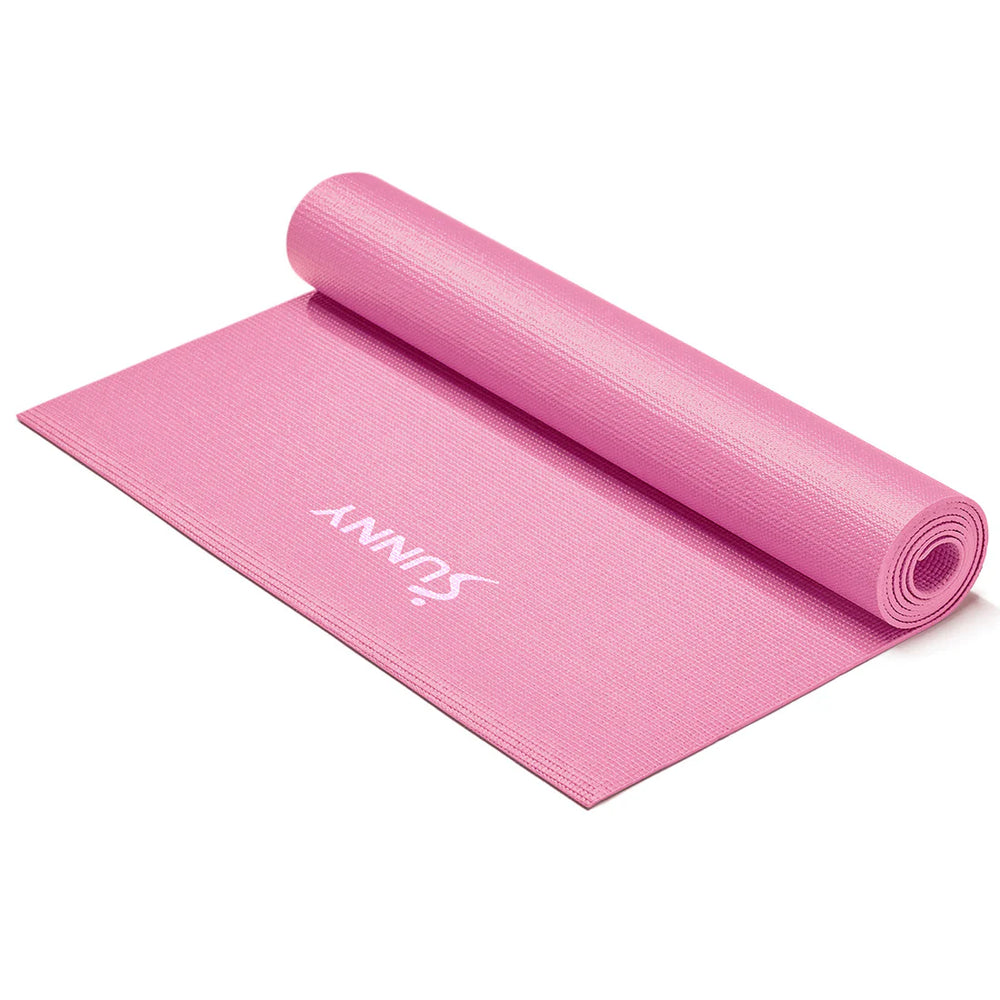
Sunny Health & Fitness High-Density Yoga Mat
Extra-thick cushioning for pelvic release stretches, Yin yoga, and joint support.
Shop High-Density Yoga Mat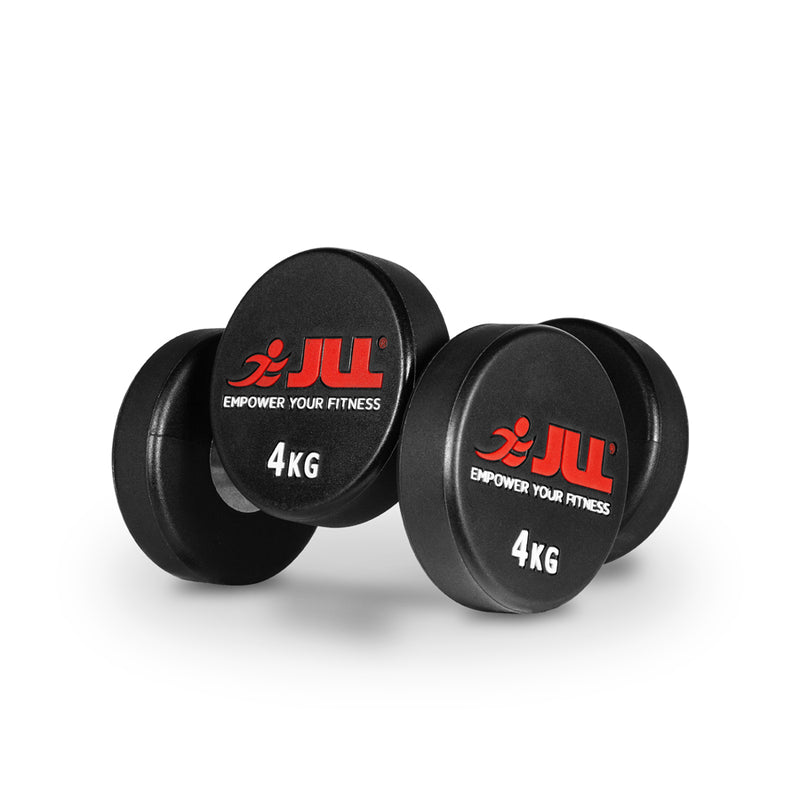
PU Dumbbells
Free Weights ideal for fast tempo circuits, thrusters, and HIIT intervals.
Shop PU Dumbbells
Cast Iron Kettlebell
Heavy resistance loading for goblet squats, Romanian deadlifts, and power sets.
Shop Cast Iron Kettlebell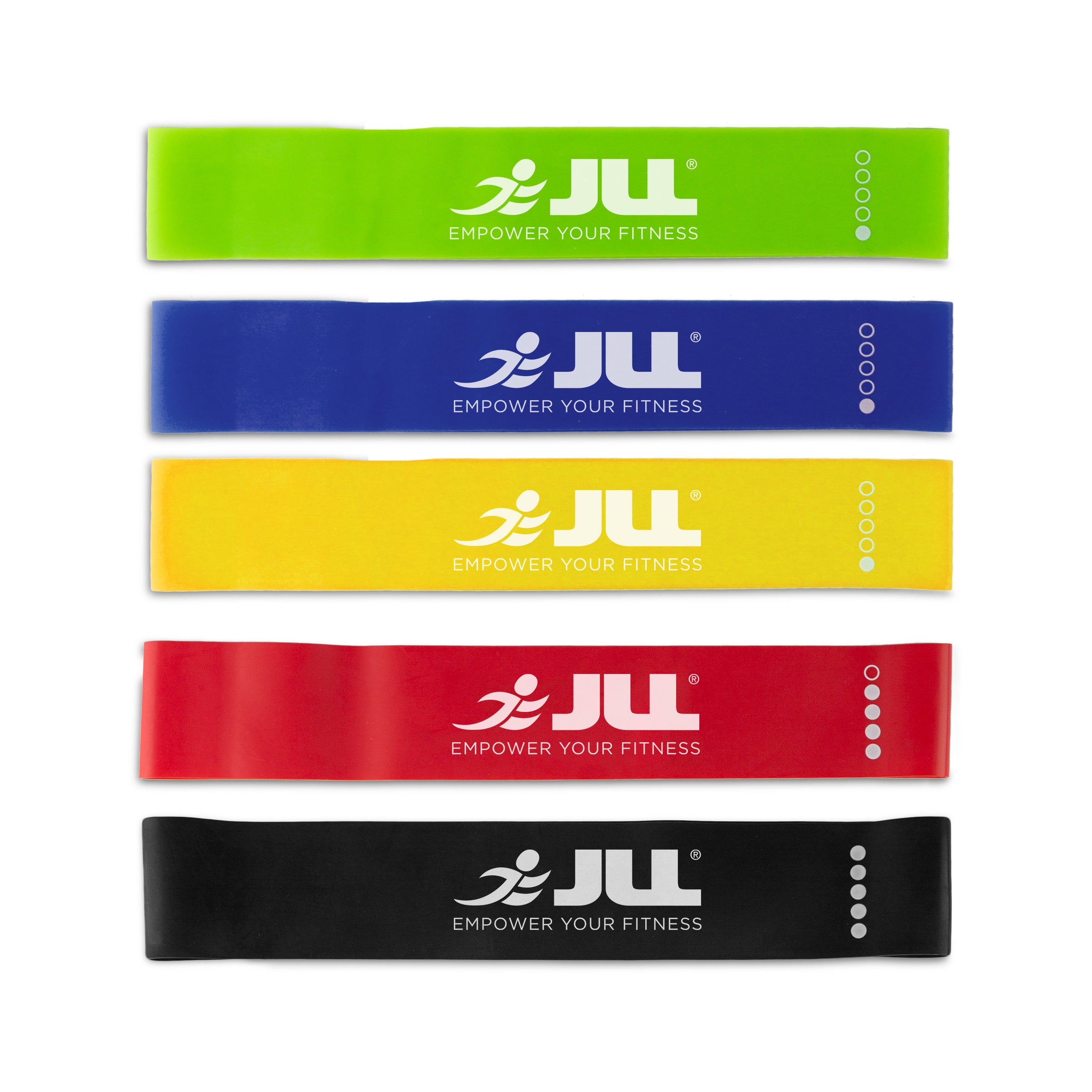
Looped Resistance Band Set
Non-slip loop bands for low-impact Pilates, glute activation, and barre sculpting.
Shop Looped Resistance Band Set





Leave a comment
All comments are moderated before being published.
This site is protected by hCaptcha and the hCaptcha Privacy Policy and Terms of Service apply.