



Modern work culture keeps most professionals tethered to a chair for 8 to 10 hours a day. Prolonged sitting slows blood circulation, reduces insulin sensitivity, tightens the hip flexors, and causes postural fatigue—often leading to the dreaded afternoon slump. Over the long term, spending hours hunched over a bad desk setup increases the risk of injuries, promotes neck stiffness, and contributes to chronic musculoskeletal aches.
Making short bursts of physical activity part of your daily routine is one of the most effective ways to reduce pain, reset posture, and clear brain fog. By using the concept of habit stacking—pairing micro-movements with routine work breaks or calendar alerts—you can make daily movement effortless. Even if you work at a standing desk, taking 10 minutes to mobilise your joints and activate dormant muscle groups delivers oxygen-rich blood to the brain and triggers an immediate boost in energy.
The 10-Minute Energy-Boosting Office Protocol
This routine is split into two 5-minute blocks: Phase 1 focuses on mobility and joint decompression to release tension, while Phase 2 activates the major muscle pumps (legs, glutes, and back) to drive systemic circulation and build strength.
Phase 1: Posture & Joint Decompression
Perform each movement for 60 seconds with smooth, controlled breathing.
1. Seated Cat-Cow & Thoracic Extension (1 Minute)
How to do it: Sit upright on the edge of your chair with hands on your knees. Inhale, take deep breaths, arch your back, roll your shoulders back, and look slightly upward (Cow). Exhale, round your spine, tuck your chin toward your chest, and pull your navel inward (Cat) before you return to the starting posture.
Target: Relieves stiffness across both the lumbar and thoracic spine caused by continuous slouching, unlocking rotational mobility through the mid-back and thoracic spine.

2. Seated Spinal Twist with Neck Decompression (1 Minute)
How to do it: Sit tall with feet flat on the floor. Place your right hand on the outside of your left knee and your left hand on the back of your chair. Inhale to lengthen your lumbar spine, exhale to gently rotate your torso to the left for 30 seconds, looking over your shoulder. Switch sides and repeat.
Target: Restores rotational mobility to the spine and eases tension across the neck and shoulders.
3. Seated Figure-4 Stretch (1 Minute)
How to do it: Sit tall and cross your right ankle over your left knee, creating a "4" shape with your right knee bent outward. Keeping a flat back, hinge forward from your hips until you feel a gentle stretch in the outer hip and glute. Hold for 30 seconds while taking slow, steady breaths, then switch to place your left ankle over your right knee to stretch the left leg hip.
Target: Frequently prescribed in physical therapy, this figure-4 stretch releases a chronically tight piriformis muscle and eases pressure around the sciatic nerve.

4. Desk Chest Opener & Shoulder Flossing (1 Minute)
How to do it: Interlace your fingers behind your lower back (or hold a pen/strap if tight). Roll your shoulders back and perform gentle shoulder flossing by lifting your hands upward and opening your chest. Hold for 5–10 seconds, release, and repeat.
Target: Stretches the pectoralis major and anterior deltoids, directly reversing rounded shoulder posture.
5. Wrist, Forearm, & Lateral Neck Release (1 Minute)
How to do it: Extend your right arm forward with palm facing out and gently pull back on the fingers with your left hand for 15 seconds; flip palm down and repeat. Finish with 15 seconds of gentle ear-to-shoulder neck stretches per side.
Target: Prevents repetitive strain injuries (RSI) and relieves typing fatigue in the forearms.
Phase 2: Micro-Strength & Circulation Activators
Perform each exercise for 45 seconds of work followed by 15 seconds of rest.
6. Chair Squats (Sit-to-Stands)
How to do it: Stand directly in front of your chair with feet shoulder-width apart. As you engage your core, hinge at your hips and lower down until your glutes lightly tap the chair seat, then drive through your heels to return to the starting standing position.
Target: Quadriceps, hamstrings, and gluteus maximus—the body's largest metabolic engines.
7. Desk Incline Push-Ups
How to do it: Place your hands slightly wider than shoulder-width apart on the sturdy edge of your desk or a stable standing desk. Step your feet back into a plank. Lower your chest toward the desk edge and press firmly back up to train your upper body.
Target: Chest, triceps, and core stability without needing to get down on the office floor.

8. Standing Calf Raises
How to do it: Stand tall behind your chair with hands lightly resting on the backrest. Rise onto the balls of your feet as high as possible, hold for 1 second, and lower slowly under control.
Target: Activates the calf muscle venous pump, pushing pooled blood from the lower extremities back up toward the heart and brain.
9. W-to-Y Back Sculpt (Wall Slides)
How to do it: Stand tall, hinge slightly at the hips with a flat back, and draw your elbows back into a "W" shape, squeezing your shoulder blades together. Slowly press your arms overhead into a "Y", then pull back down into the "W".
Target: Rhomboids and lower trapezius, building endurance for upright desk posture.
10. Standing High Knee Cross-March
How to do it: Stand upright and march in place, driving each knee up to hip height while rotating the opposite elbow across the midline to meet it. Keep the movement controlled and rhythmic.
Target: Elevates heart rate, stimulates lymphatic flow, and activates the oblique abdominals.

Exercise Summary & Common Mistakes
| Exercise | Primary Target | Key Focus | Common Mistakes to Avoid |
|---|---|---|---|
| Seated Cat-Cow | Thoracic & lumbar spine | Fluid spinal movement | Forcing the neck too far back |
| Figure-4 Stretch | Hips, glutes, piriformis | Deep hip opening | Rounding the lower back instead of hinging at the hips |
| Desk Push-Ups | Upper body (chest/triceps) | Core stability | Sagging hips or flaring elbows excessively |
| Chair Squats | Glutes & quadriceps | Lower-body activation | Collapsing into the chair seat rather than tapping lightly |
| W-to-Y Back Sculpt | Upper back & posture | Scapular retraction | Shrugging shoulders toward the ears |
Frequently Asked Questions (FAQ)
Should I consult a physical therapist before trying desk workouts?
If you have a history of disc herniations, severe joint pain, or are recovering from surgery, consulting a physical therapist is a smart first step. A clinician can provide individualised movement modifications tailored to your spinal health.
Can desk exercises replace my weekly fitness routine?
No. While desk exercises help reduce pain, break up sedentary time, and stimulate circulation, they cannot replace a comprehensive weekly fitness routine. Use them to supplement dedicated strength sessions, cardiovascular training, and overall daily activity.
How does habit stacking help with desk movement?
Using habit stacking involves attaching a short movement drill to an existing workplace habit—such as doing a seated cat-cow after every video meeting or performing calf raises while waiting for your kettle to boil. This builds consistency without relying solely on willpower.
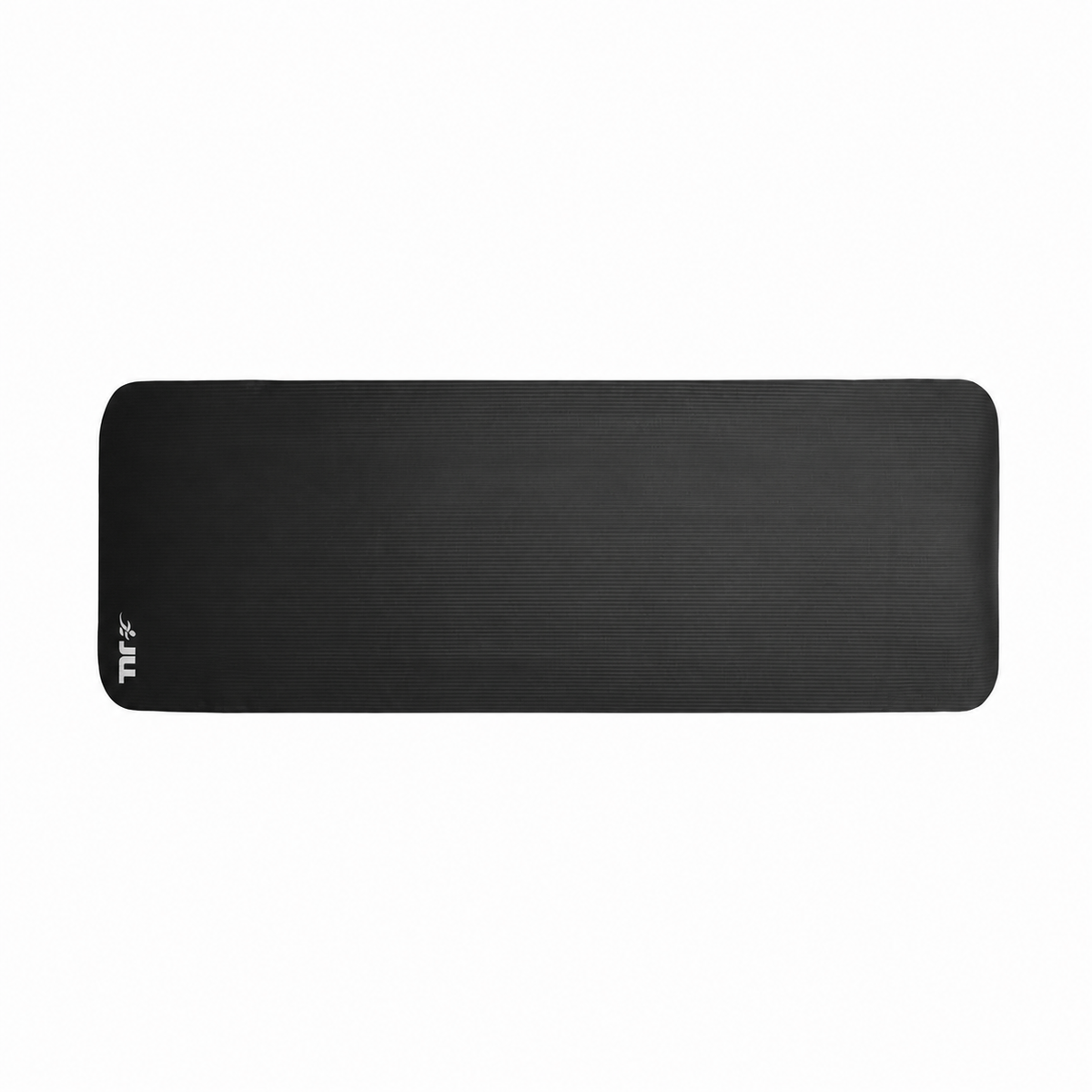
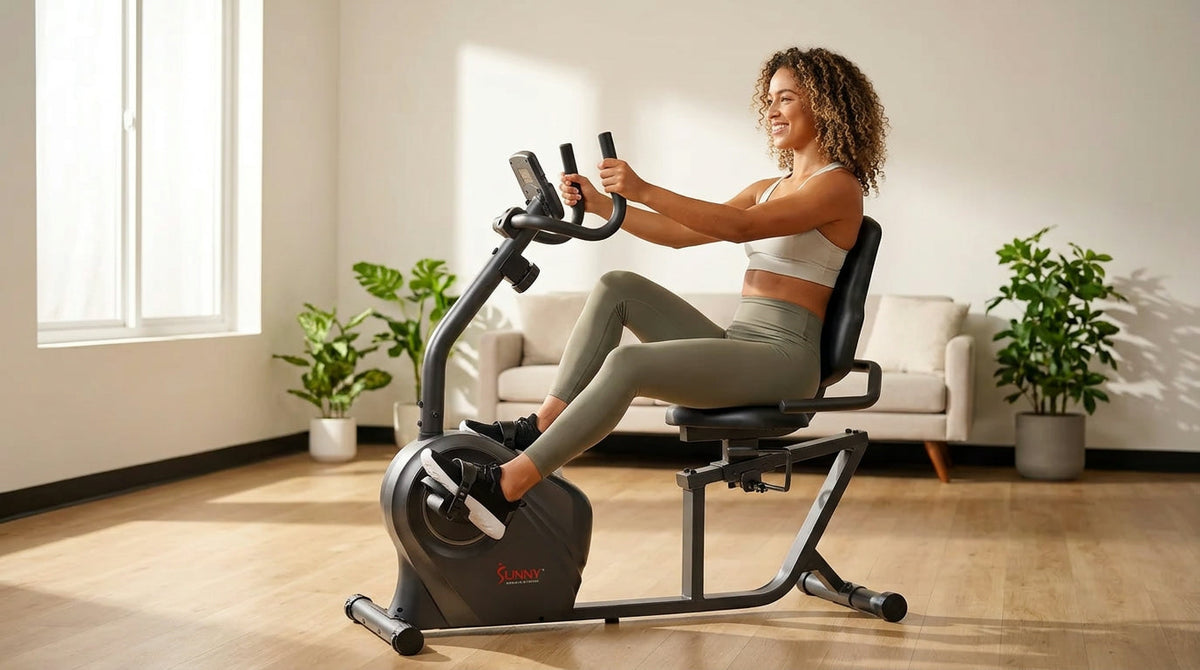
RECOMMENDED GEAR FOR THIS WORKOUT





Leave a comment
All comments are moderated before being published.
This site is protected by hCaptcha and the hCaptcha Privacy Policy and Terms of Service apply.