



Creating a home gym in a small space is easier than you might think. You do not need a full spare room or a garage packed with equipment to stay consistent and get real results. With a smart layout and a few versatile tools, even a small corner of your home can become a practical, motivating place to get a full body workout.
1. Start With Your Fitness Goals
Before buying any equipment, take a moment to clearly define what you want your home gym to help you achieve. Are you primarily aiming to improve cardiovascular endurance, lose weight, build muscle and strength, increase mobility, or simply stay active and healthy? Your main goal (and any secondary goals) will determine the types of workouts you’ll do most often—and that should guide every purchase you make.
Think about how you like to train and what you’ll realistically use consistently. For example, someone focused on cardio might prioritise a treadmill, exercise bike, skipping rope, or a compact rowing machine, while someone focused on strength may get more value from dumbbells, resistance bands, a bench press machine, or a pull-up bar.

If weight loss is the priority, you may want a mix of equipment that supports both calorie-burning cardio and strength training to build lean muscle and improve metabolism. For general fitness, versatile tools that allow multiple exercises like bands or kettlebells can deliver the best overall value.
In a small gym space, every item needs to earn its place. Choose equipment that matches your physical activity goals, fits your available area, and offers multiple uses rather than single-purpose machines that take up room. By starting with a clear plan, you’ll avoid unnecessary purchases and build a home gym that supports your progress efficiently.
2. Choose Compact, Foldable Equipment
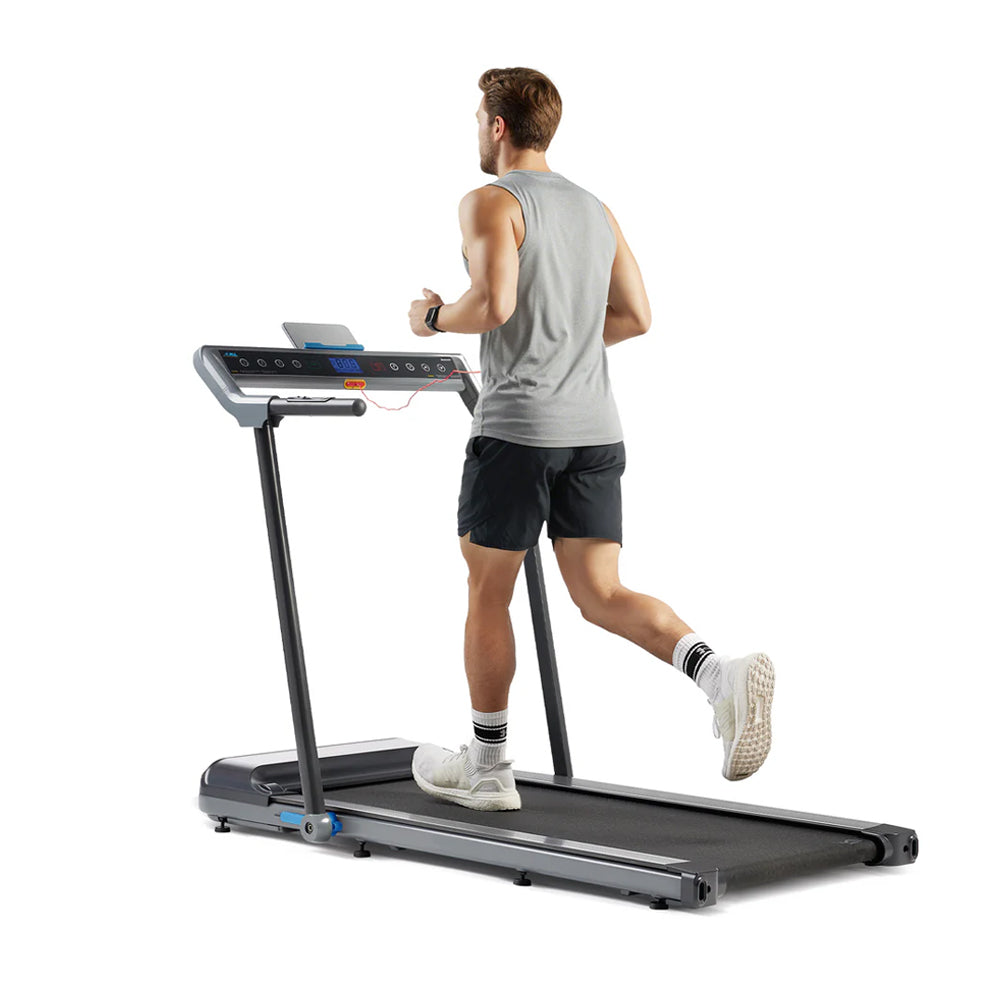
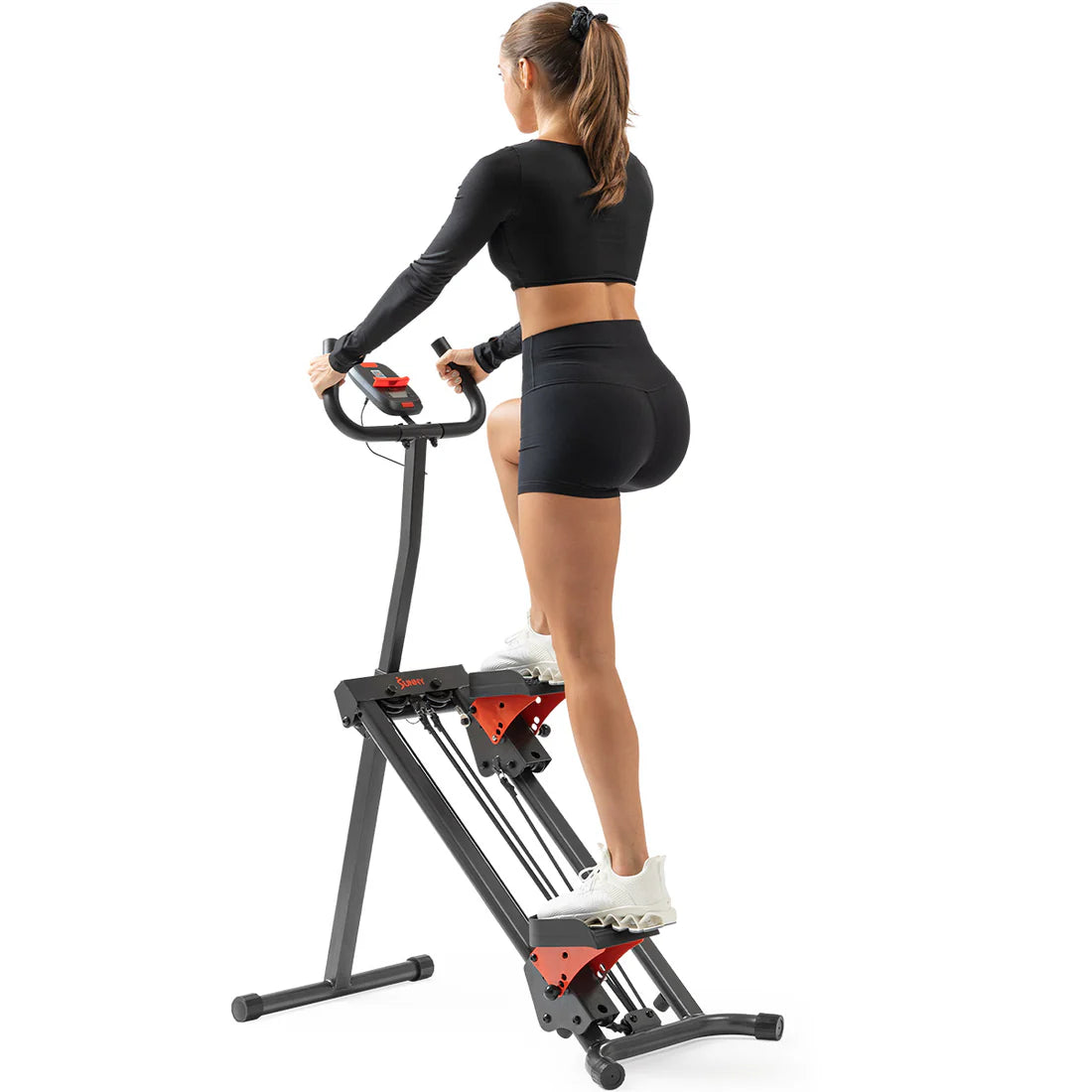
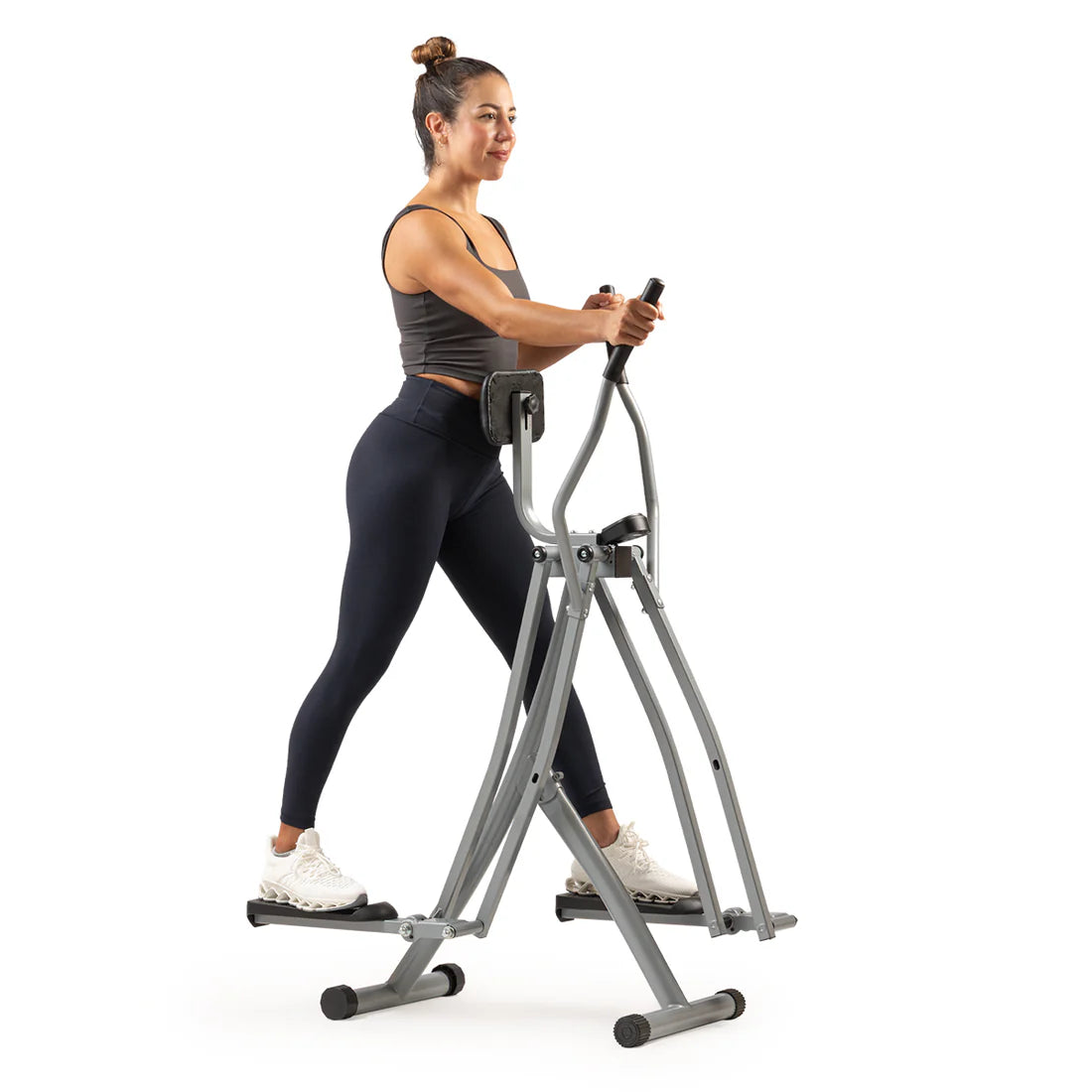
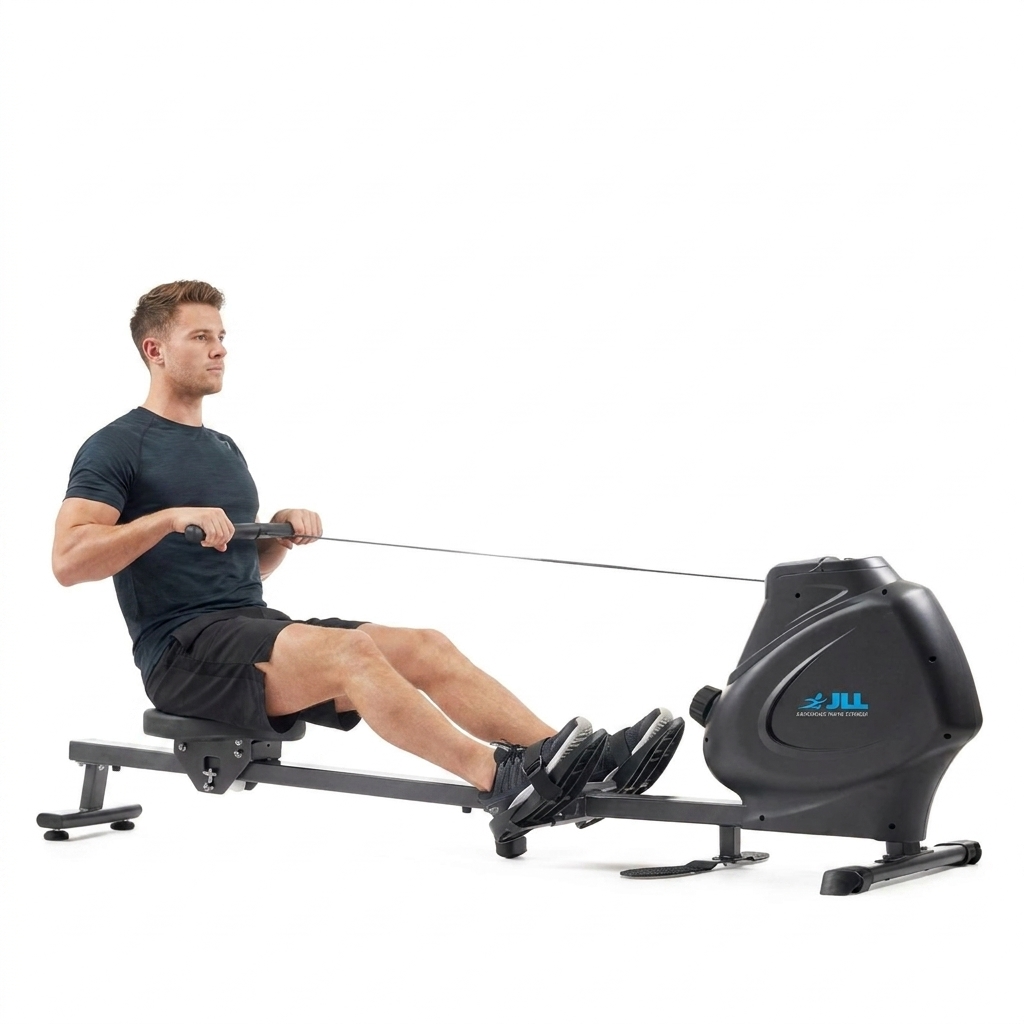
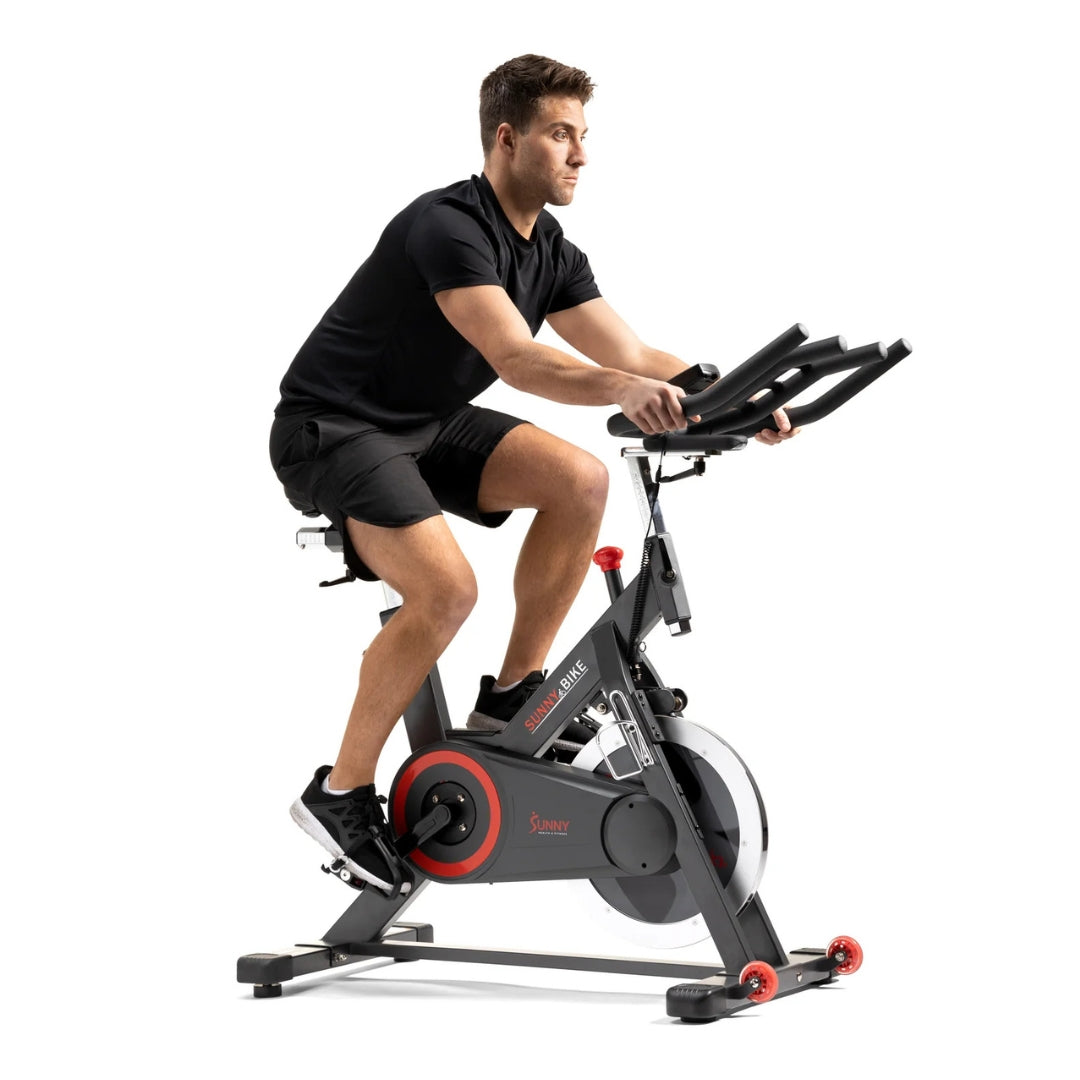
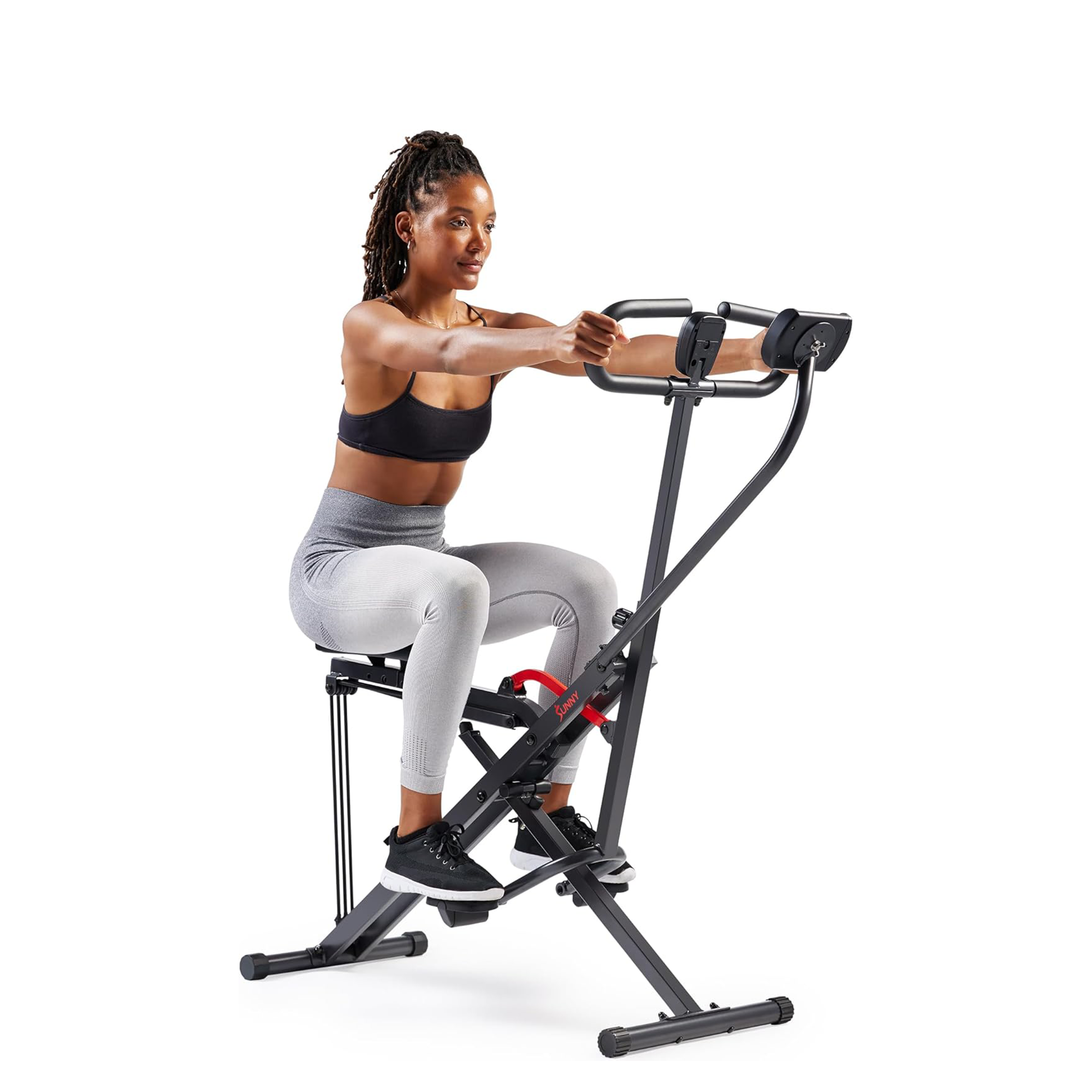
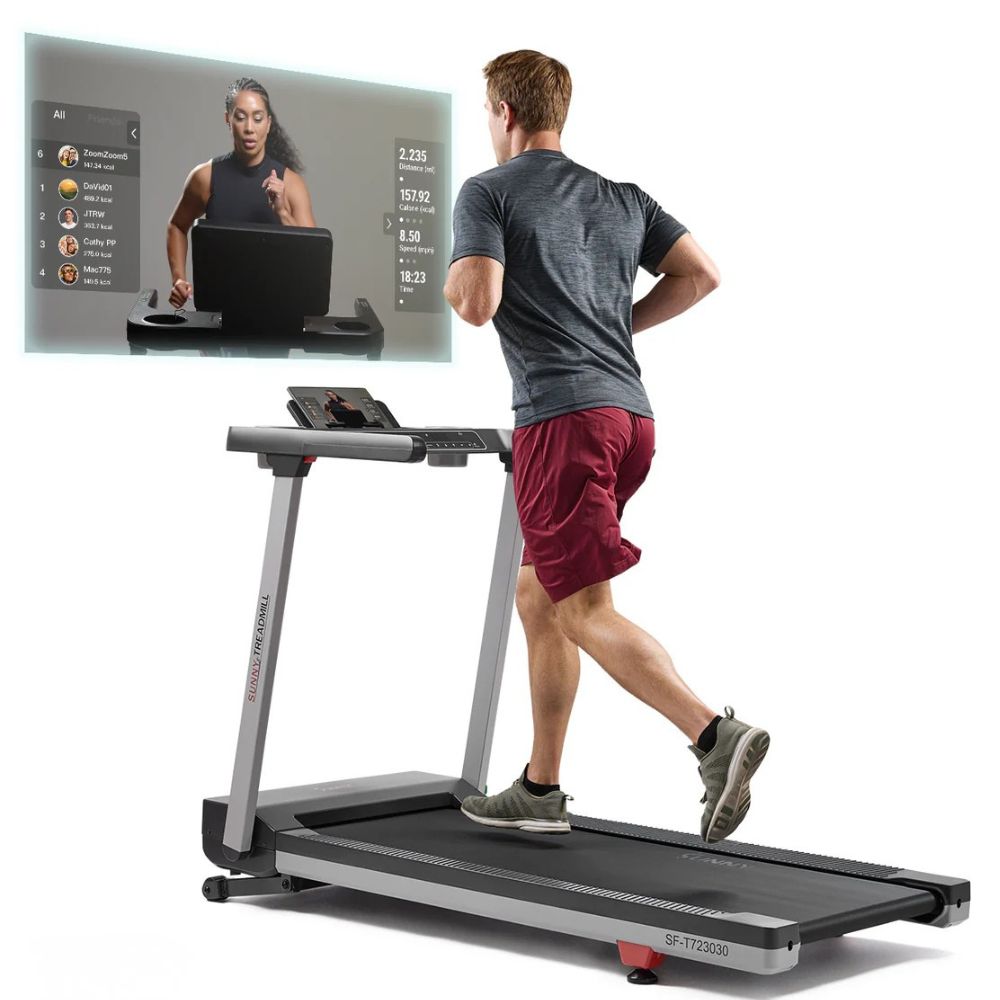
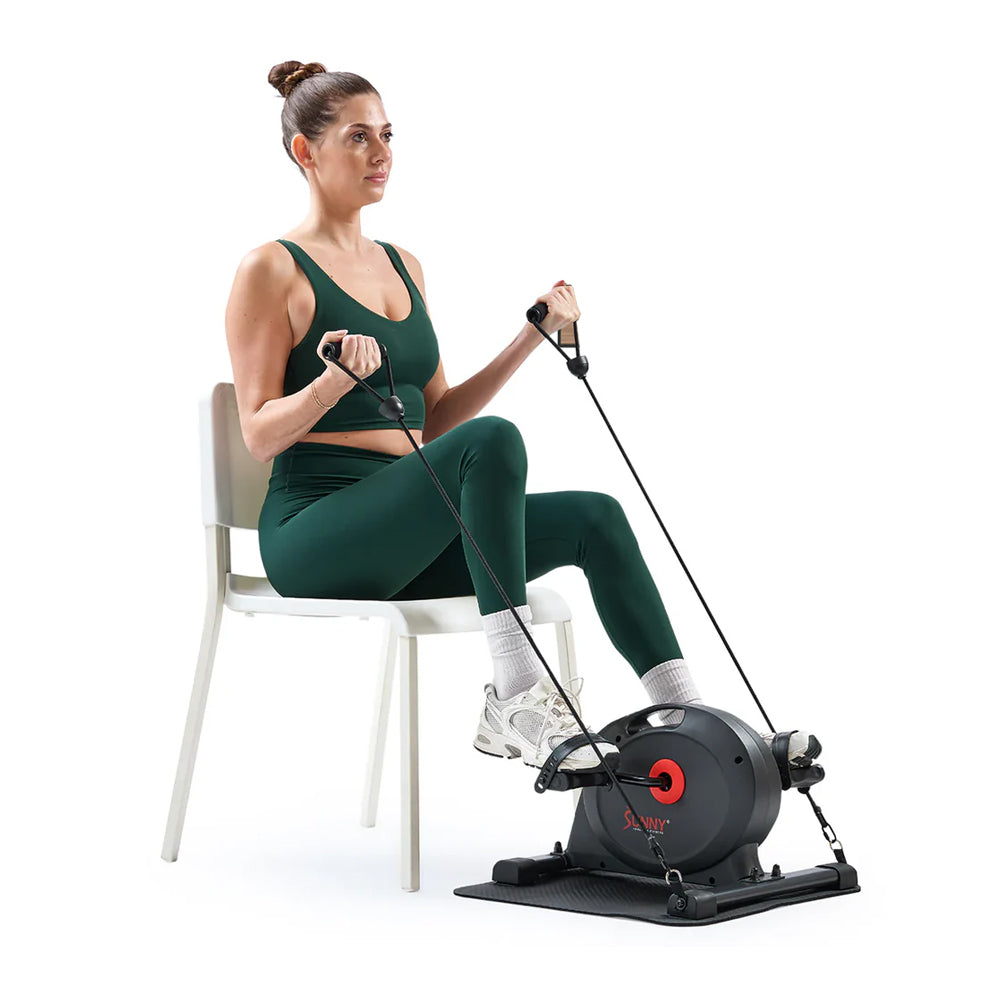
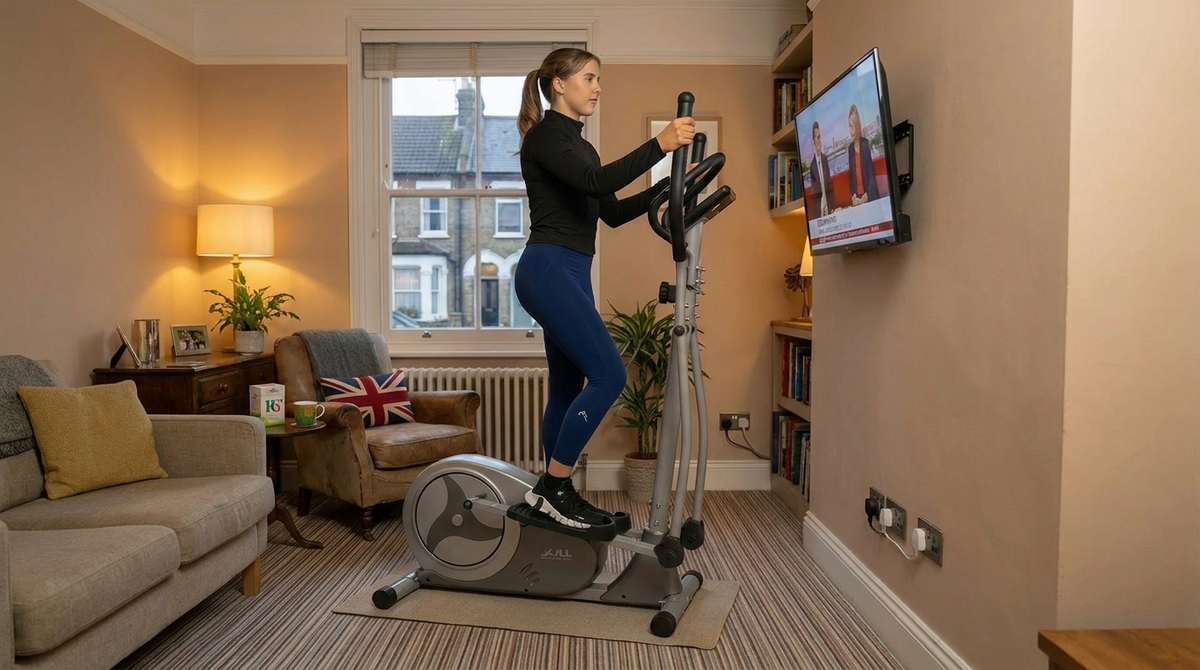
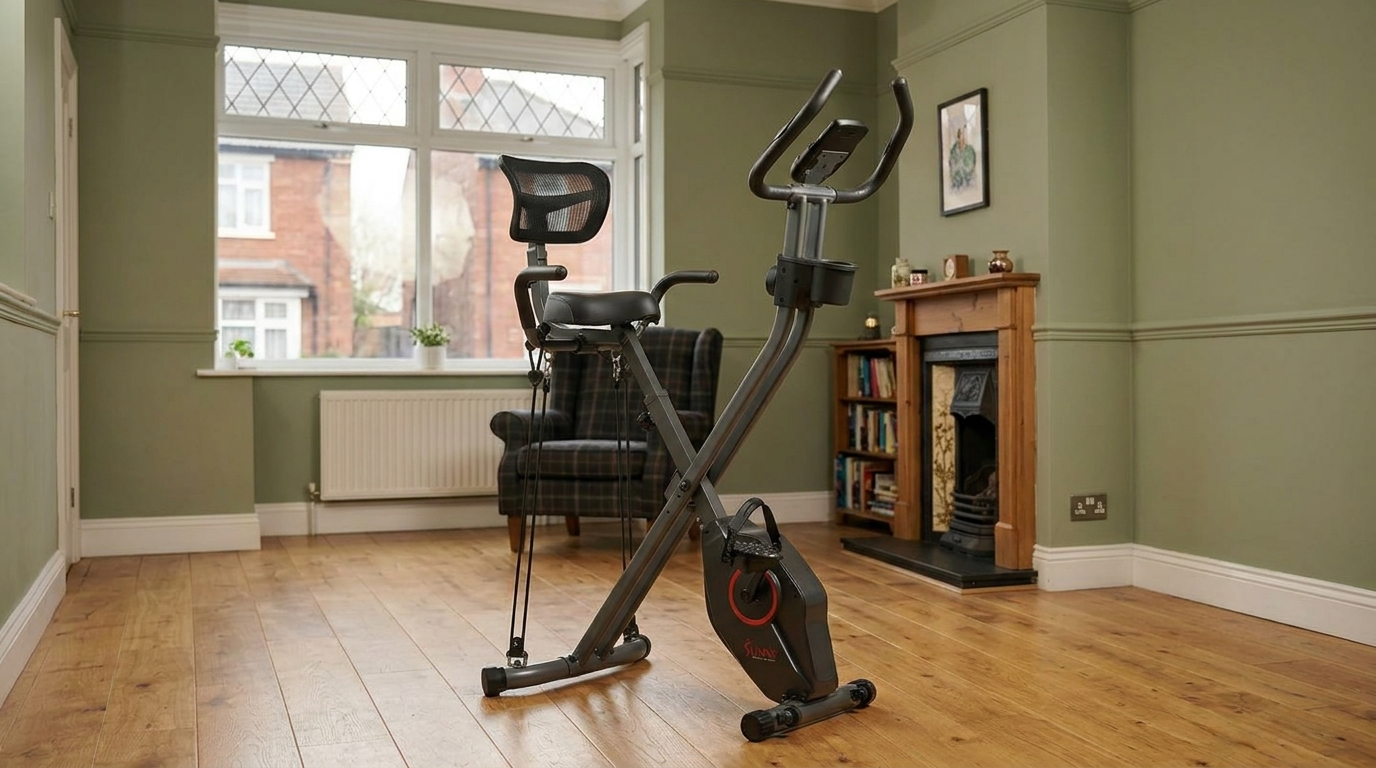
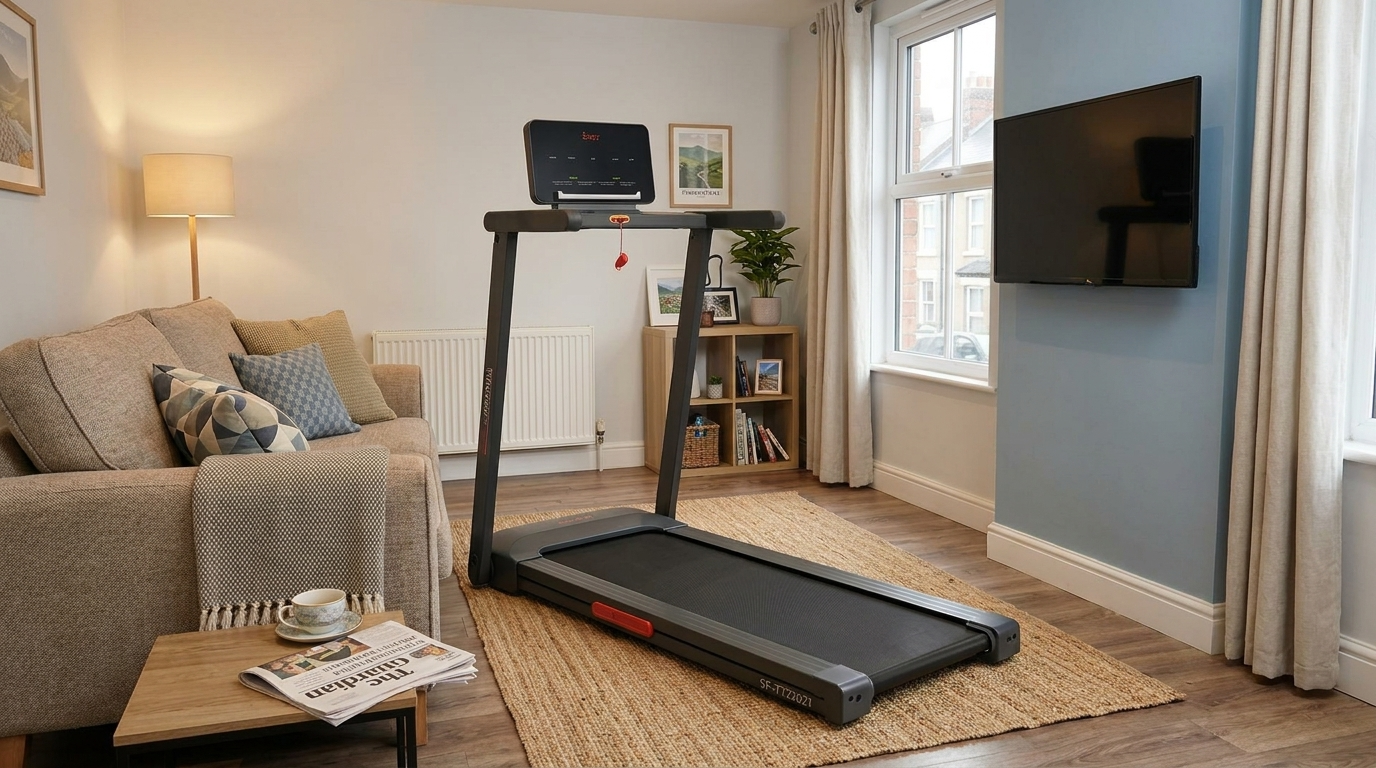
Space-saving fitness equipment is essential when you’re working with limited square footage. Options like foldable treadmills, compact rowing machines, and slim-profile exercise bikes make it possible to get a full body workout at home without dedicating an entire room to a permanent setup. Many of these machines are designed to fold flat, stand upright, or roll into a corner or closet when you’re finished, so your space can quickly return to normal.

This kind of flexibility is especially valuable in smaller homes or apartments where one area often serves multiple purposes. If your workout space also needs to function as a bedroom, home office, or living room, compact equipment helps you maintain a consistent fitness routine without creating clutter or sacrificing comfort.
Instead of rearranging furniture or navigating around bulky machines every day, you can set up your equipment when you need it, store it neatly afterward, and keep the room practical for everyday life.
3. Prioritise Versatility
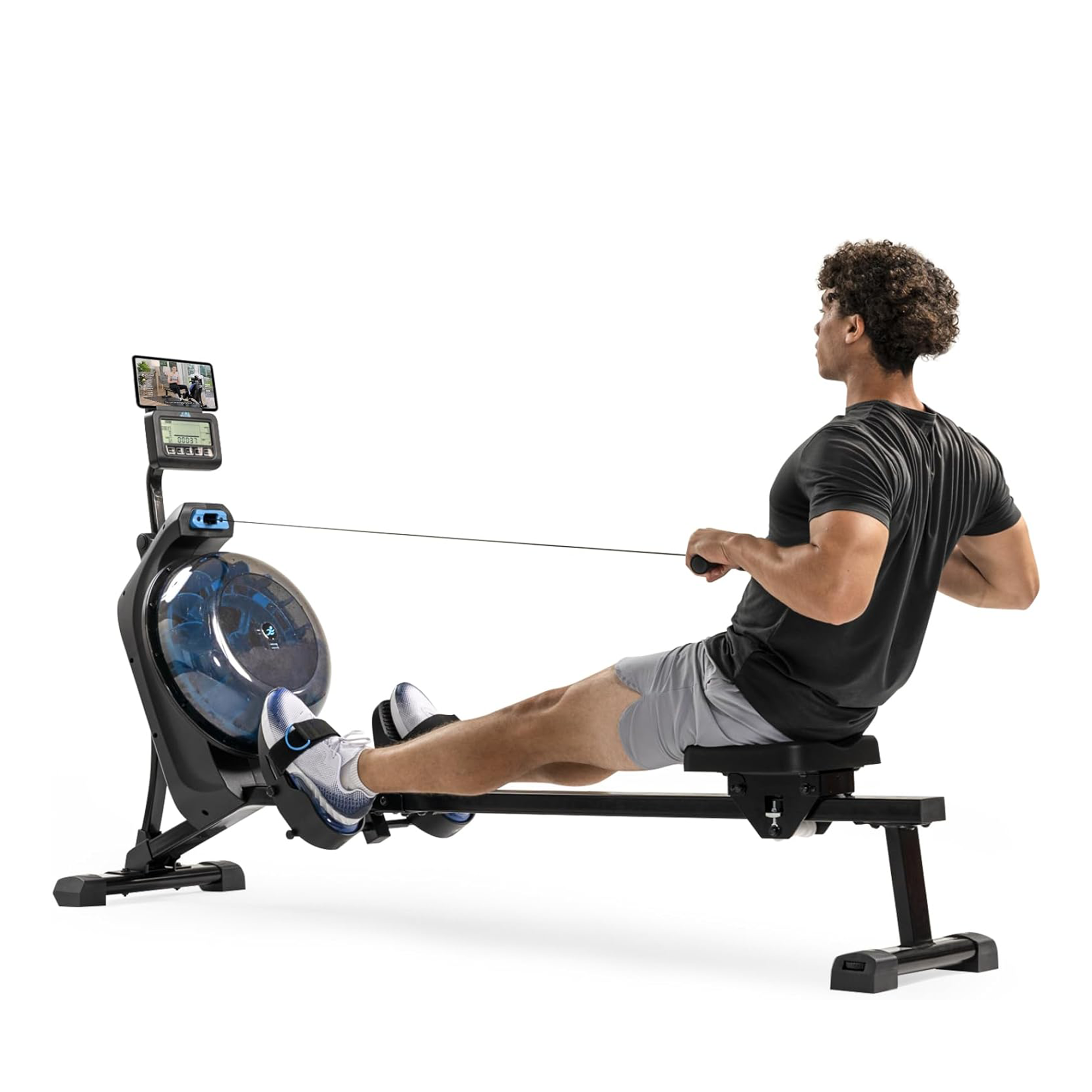
When space is limited, choosing versatile equipment helps you get more training value from every square foot. A rowing machine is a great example because it combines effective cardiovascular work with full-body strength: each stroke engages major muscle groups including your legs, glutes, core, back, and arms. It allows you to adjust pace and resistance to suit anything from steady endurance sessions to high-intensity intervals.

To build strength and conditioning without needing large machines, simple tools like resistance bands, dumbbells, and slam balls are highly effective. Resistance bands are lightweight, easy to store, and useful for assisted pull-ups, rows, presses, leg work, mobility drills, and warm-ups.
Dumbbells support a huge range of movements—squats, lunges, deadlifts, presses, rows, and carries—making them ideal for full-body training and progressive overload as you get stronger.
Slam balls add a powerful conditioning element with explosive movements such as slams, throws, squats, cleans, and rotational drills, helping improve power, coordination, and endurance.
With these few pieces of home gym equipment, you can cover cardio, strength, power, and mobility training in a compact setup that fits comfortably in smaller rooms, apartments, or home gyms.
To build strength and conditioning without needing large machines, simple tools like resistance bands, dumbbells, and slam balls are highly effective. Resistance bands are lightweight, easy to store, and useful for assisted pull-ups, rows, presses, leg work, mobility drills, and warm-ups.
Dumbbells support a huge range of movements—squats, lunges, deadlifts, presses, rows, and carries—making them ideal for full-body training and progressive overload as you get stronger.
Slam balls add a powerful conditioning element with explosive movements such as slams, throws, squats, cleans, and rotational drills, helping improve power, coordination, and endurance.
With these few pieces of home gym equipment, you can cover cardio, strength, power, and mobility training in a compact setup that fits comfortably in smaller rooms, apartments, or home gyms.
4. Measure Before You Buy
It sounds obvious, but in a small space, a few centimetres is the difference between a fluid workout and a stubbed toe. Before you hit "add to cart," grab a tape measure and get granular with your dimensions.
Equipment dimensions usually only account for the machine itself, not the human using it. You need a safety perimeter of at least 2 feet around each item. For example, an Olympic bar is 2 meters long, but you’ll need extra clearance on both sides to actually slide the plates on and off without denting your walls.
If you’re eyeing "space-saving" gear like a folding treadmill, measure the footprint in both its active and stowed positions. Ensure your storage area doesn't block doorways or vents when the gym is "closed."
Ultimately, a home gym should feel like a sanctuary, not a storage unit. By prioritising clearance and flow, you ensure the space remains functional and inviting rather than a cramped obstacle course.
5. Keep the Space Organised
A tidy workout area will feel bigger and more inviting. Use shelves, hooks, or storage baskets to keep smaller accessories off the floor. Good organisation can make even a compact set-up feel like a proper home gym.
In a small home gym, the floor is your most precious commodity. Once it’s cluttered with resistance bands and foam rollers, the room effectively "shrinks," and your motivation usually goes with it.
Keeping the space organised has more to do with maximising square footage than about aesthetics. If you can’t expand out, expand up! Install heavy-duty floating shelves or a pegboard system to get your gear off the ground. Pegboards are particularly versatile because you can rearrange hooks for jump ropes, lifting belts, and even lightweight dumbbells as your collection grows.
Use the back of a door for a hanging organiser to store smaller accessories like towels, timers, or wrist wraps. If your workout "studio" is actually a corner of your bedroom, look for rolling storage carts that can be tucked into a closet or under a desk when the session is over.

Even in a tiny area, everything should have a "home." When your equipment has a specific parking spot, you spend less time hunting for a matching resistance band or weight plate and more time actually training. By keeping the floor clear, you maintain the "flow" of the room, ensuring your home gym setup feels like a dedicated sanctuary rather than a cluttered corner of your life.
6. Add Motivation With Connected Fitness
When you’re short on square footage, you can’t exactly fit a row of specialised machines or a rack of twenty different kettlebells. This is where connected fitness becomes your secret weapon—it allows you to expand your training programs digitally rather than physically. By integrating smart technology, your single piece of equipment (or even just a yoga mat) becomes a portal to an endless library of home workouts.

Apps like Kinomap turn a stationary bike or treadmill into a global adventure. Instead of staring at a blank wall three feet in front of you, you can "ride" through the French Alps or run through the streets of Tokyo. This visual stimulation makes a small, enclosed space feel infinitely larger and more immersive.
Final Thoughts
The best small home gym is one that fits your lifestyle, your goals, and your space. By choosing compact, versatile equipment and keeping your setup simple, you can build a gym that is perfect without taking over your home.
For JLL Fitness, products like folding treadmills, compact rowers, exercise bikes, and functional training accessories are ideal for helping fitness enthusiasts create effective home gyms in smaller spaces.




Leave a comment
All comments are moderated before being published.
This site is protected by hCaptcha and the hCaptcha Privacy Policy and Terms of Service apply.