



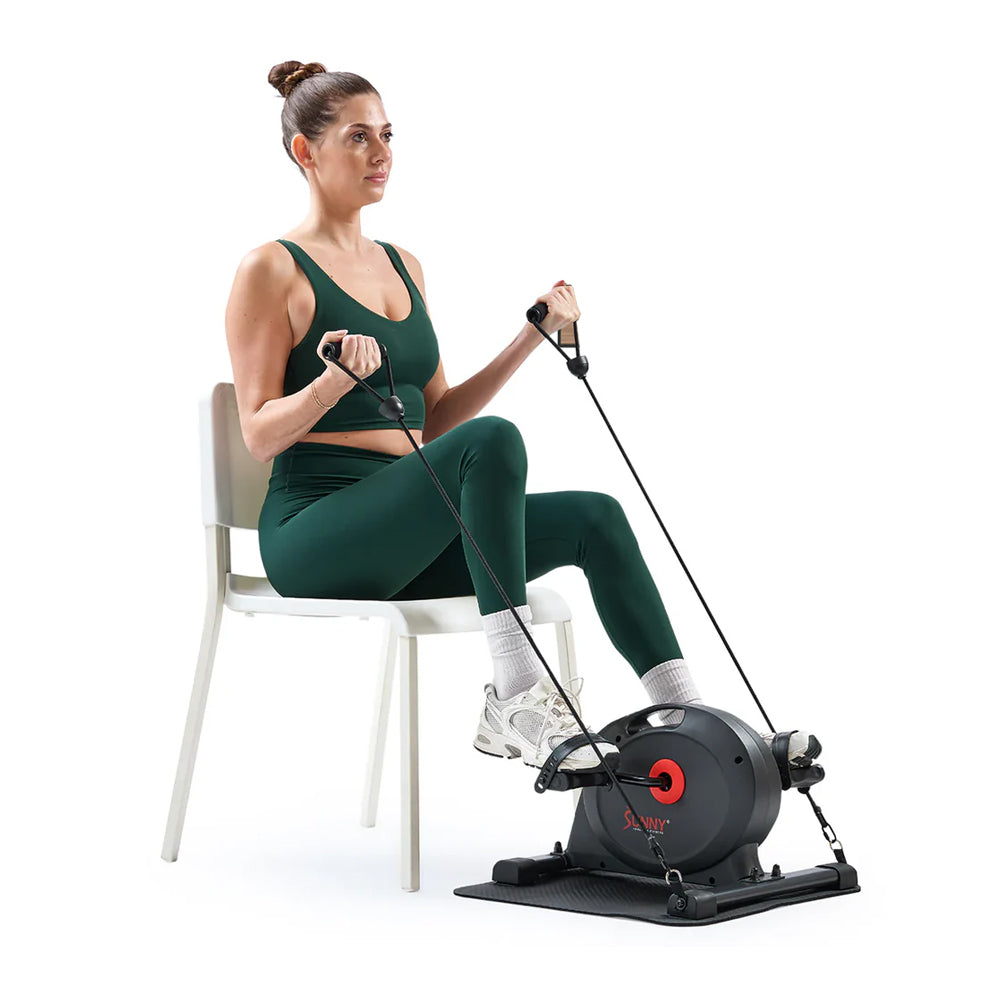
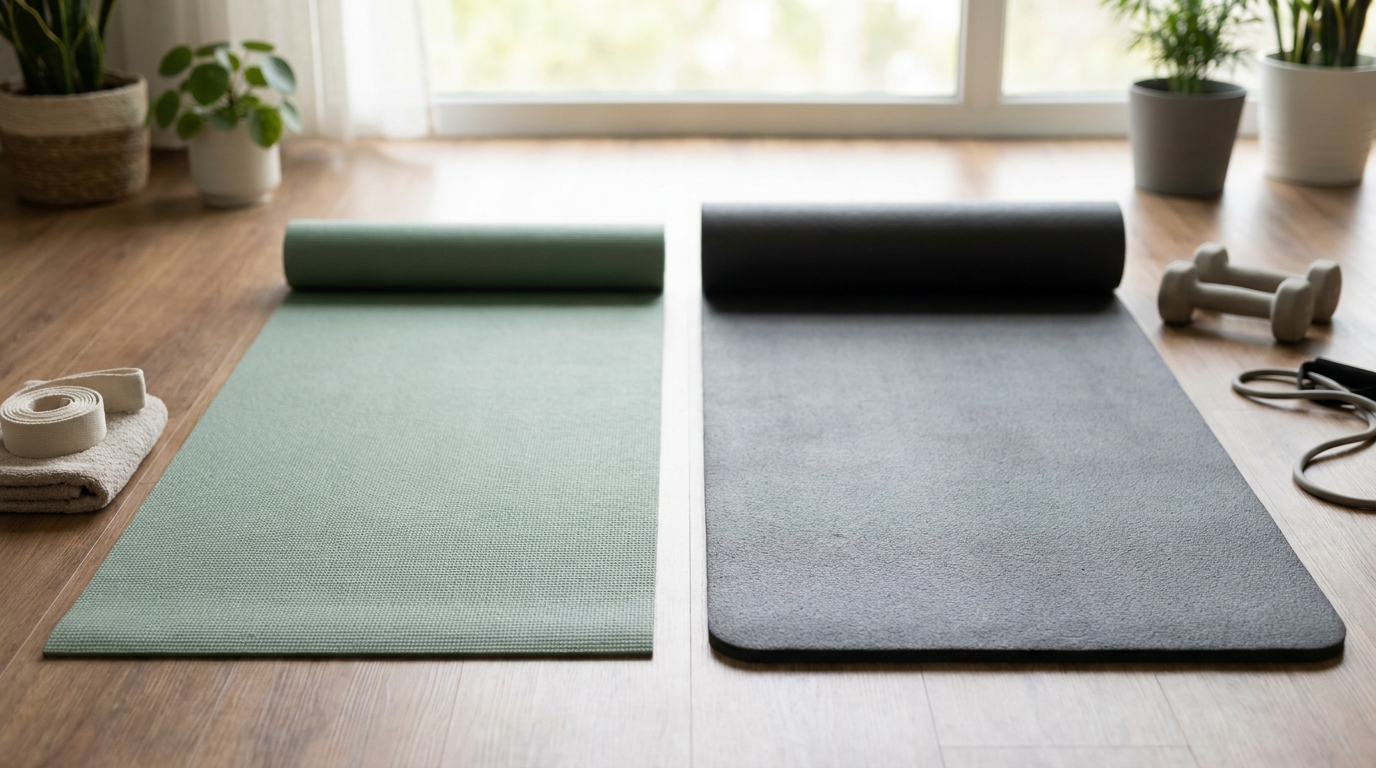
When setting up a home gym, it is incredibly easy to look at a rolled-up cylinder of foam or rubber and assume it can handle any workout you throw at it. In the fitness world, a dedicated yoga practice surface and general-purpose gym floor mats are frequently treated as interchangeable accessories. But are they actually the same?
And more importantly: Can you use a yoga mat instead of an exercise mat?
The short answer is yes, but with major caveats. While laying out a standard mat for a light abdominal routine or static stretching works beautifully, using it as a default workout mat for high-impact training, heavy lifting, or dynamic cardio intervals can destroy the material, cause dangerous structural slips, and increase your overall risk of injury.
Whether you are trying to configure the ultimate home gym flooring layout, protect your joints from floor-based pressure, or determine which high quality fitness foundation belongs in your cart, this comprehensive breakdown exposes the structural differences between these two training tools.

Yoga Mat vs. Exercise Mat
While both products provide a physical barrier between your body and a cold, hard subfloor, they are engineered to solve entirely different problems.
1. The Thickness And Density Divide
The most glaring difference when choosing between a fitness pad vs. a yoga surface is the thickness and how the material reacts to force under different fitness levels.
Why Yoga Mats Are Intentionally Thin
The best yoga mat options hover between 4mm and 6mm in thickness. These thinner mats are vital for maintaining balance. When holding complex balance poses, your feet need a firm connection to the ground.
If you try to execute these poses on a squishy surface, your ankles will sink into the foam, forcing your stabilizing muscles to make up for the excess load and throwing off your structural alignment. If someone requires extra joint cushioning for their knees, they will explicitly seek out a specialized thick yoga mat that doesn't sacrifice this dense, stable compound.

Why Exercise Mats Are Intentionally Thick
A dedicated fitness pad, gymnastics mat, or structural floor tile features an expanded thickness profile. This padding is built for impact absorption and anti fatigue support. If you are executing rapid mountain climbers, high-impact jumping jacks, or dropping down into a grueling hiit session, you require a heavy-duty layer of closed-cell foam to dissipate the shock before it travels up your spine.

2. Grip, Traction, and the Problem with Sneakers
The texture of these surfaces reveals exactly how they are meant to be deployed during your home workouts.
- The Yoga Surface Finish: The defining characteristic of a premium yoga mat is its slip resistant, "tacky" grip. Whether you are in a high-sweat Vinyasa flow or a static floor stretch, your hands and feet must stay locked in place on their textured surfaces. However, this finish is highly delicate. If you wear abrasive cross-training shoes or heavy sneakers on it, the friction from your shoe treads will quickly shred and degrade the material during intense workouts.
- The Exercise Mat Finish: General fitness mats and rubber mats are designed to withstand heavy shoes. Their outer skins are constructed from durable materials like vinyl or treated NBR rubber, allowing you to twist, pivot, and jump with shoes on while remaining remarkably easy to clean after a sweaty session.

When Is A Yoga Mat Perfectly Fine For General Workouts?
You do not need an industrial rubber gym flooring setup for every type of routine. A yoga mat can successfully moon-light as a general workout mat if your training involves controlled, deliberate, and low-impact movements:
- Core and Abdominal Training: For low-impact routines involving planks, sit-ups, Russian twists, or leg raises, it provides exactly what you need—a clean, non-slip base. The firm density ensures your elbows stay firmly anchored during a plank without sliding around on your own sweat.
- Flexibility and Mobility Drills: If your routine consists of static stretching, lunge holds, or foam rolling, the high-grip texture helps anchor your back foot, allowing you to deepen your stretches smoothly and safely.

When You MUST Upgrade Your Flooring
Using a thin yoga mat under the wrong conditions can actively hinder your progress and damage your environment. You must upgrade to heavy-duty rubber gym flooring if your program enters these training blocks:
Heavy Weight Training at Home
If your routine features lifting weights like adjustable dumbbells, heavy kettlebells, or a gym barbell, a yoga mat is completely inadequate. It lacks the material density required to shield your subfloor. If you accidentally drop a heavy plate or set a dumbbell down too aggressively, a thin mat will fail to prevent a structural crack or deep dent in your hardwood, laminate, or tile floor.
High-Intensity Interval Training (HIIT)
Any intense hiit workout containing high-volume jumping, bounding, or rapid plyometric steps demands specialized shock absorption. Repeatedly landing on a thin 4mm base on top of cold concrete or wood will accelerate joint fatigue, leading to shin splints or wrist soreness over the long term.

The JLL Fitness Solutions
If you are looking to build a versatile, safe, and highly durable workout space at home that covers all your bases, JLL Fitness offers targeted solutions designed to protect both your body and your home:
- For High-Impact Cardio and Core Work: Roll out a high-density, sweat-resistant thick mat. It delivers the essential 10mm–15mm cushioning needed to cushion your joints during high-volume abdominal circuits and intense bodyweight movements.
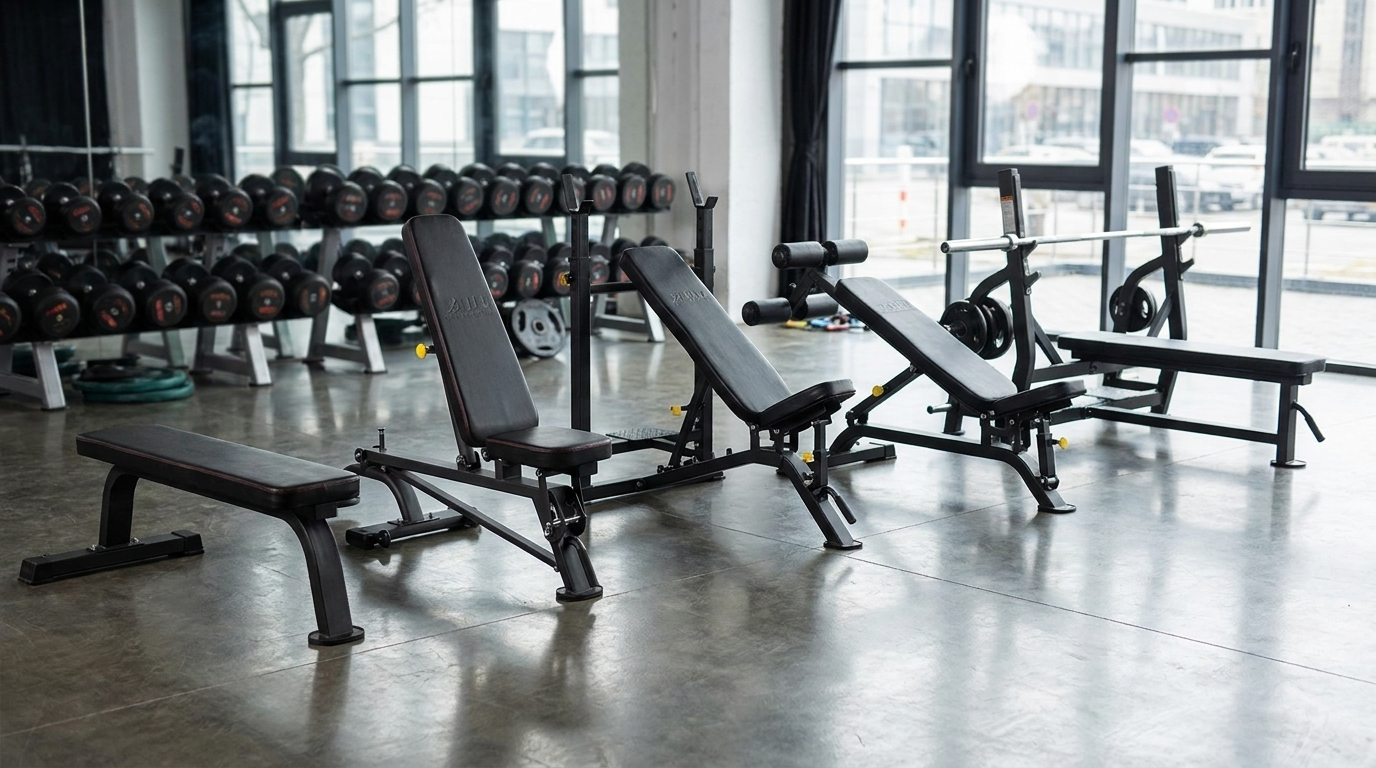
- For Heavy Lifting and Equipment Protection: Invest in interlocking rubber floor tiles. These heavy-duty rubber mats assemble effortlessly to form a durable, shock-absorbing boundary across high traffic areas in your garage or spare room. They are specifically built to withstand the pressure of heavy squat racks, weight benches, and dropped free weights while keeping your subfloor entirely secure.

The SunnyFit App
Once you have chosen the perfect floor foundation, sync your home setup with the SunnyFit App to maximize your performance. This 100% free digital platform removes the confusion from home programming by offering over 2,000 on-demand fitness videos led by certified personal trainers.
Whether you want to explore peaceful mobility and yoga tracks on a thin mat or jump into explosive, fat-burning HIIT and dumbbell workouts on high-density rubber floor tiles, the app delivers step-by-step visual guidance to perfect your form, log your consistency, and help you reach your physical targets safely.

Frequently Asked Questions (FAQ)
Can I do Pilates on a standard yoga mat?
While you can, it may not be comfortable. Pilates contains a very high volume of rolling floor exercises where your entire body weight shifts along your spine, hips, and tailbone. Because standard yoga mats are quite thin, your bones can press directly into the hard floor below. For a comfortable, pain-free Pilates session, a thicker 10mm–15mm exercise mat is highly recommended.
How do I stop my mat from sliding on a smooth laminate floor?
If your mat is shifting during bodyweight movements, ensure both the subfloor and the underside of the mat are completely free of dust and moisture. Investing in a high quality mat made of TPE or natural tree rubber provides a superior natural vacuum grip against slick surfaces compared to cheap, lightweight PVC options.
Is a thicker mat always better for working out?
Not necessarily. While a thicker mat or a gymnastics mat offers excellent shock absorption for your knees and wrists during high-impact training, it is actively detrimental for balance-focused training or standing weight exercises. If a mat is too soft and squishy, your feet will sink, creating an unstable foundation that can compromise your joint tracking and alignment.




Leave a comment
All comments are moderated before being published.
This site is protected by hCaptcha and the hCaptcha Privacy Policy and Terms of Service apply.