


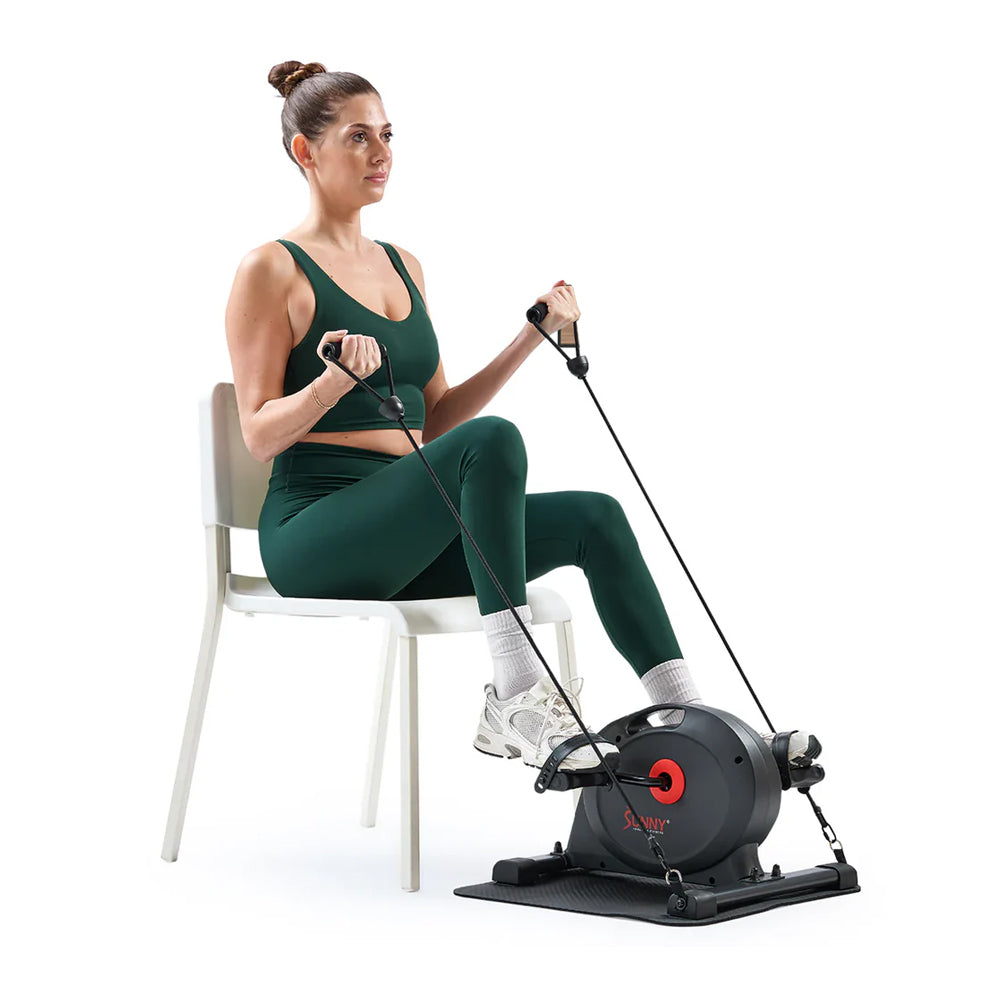
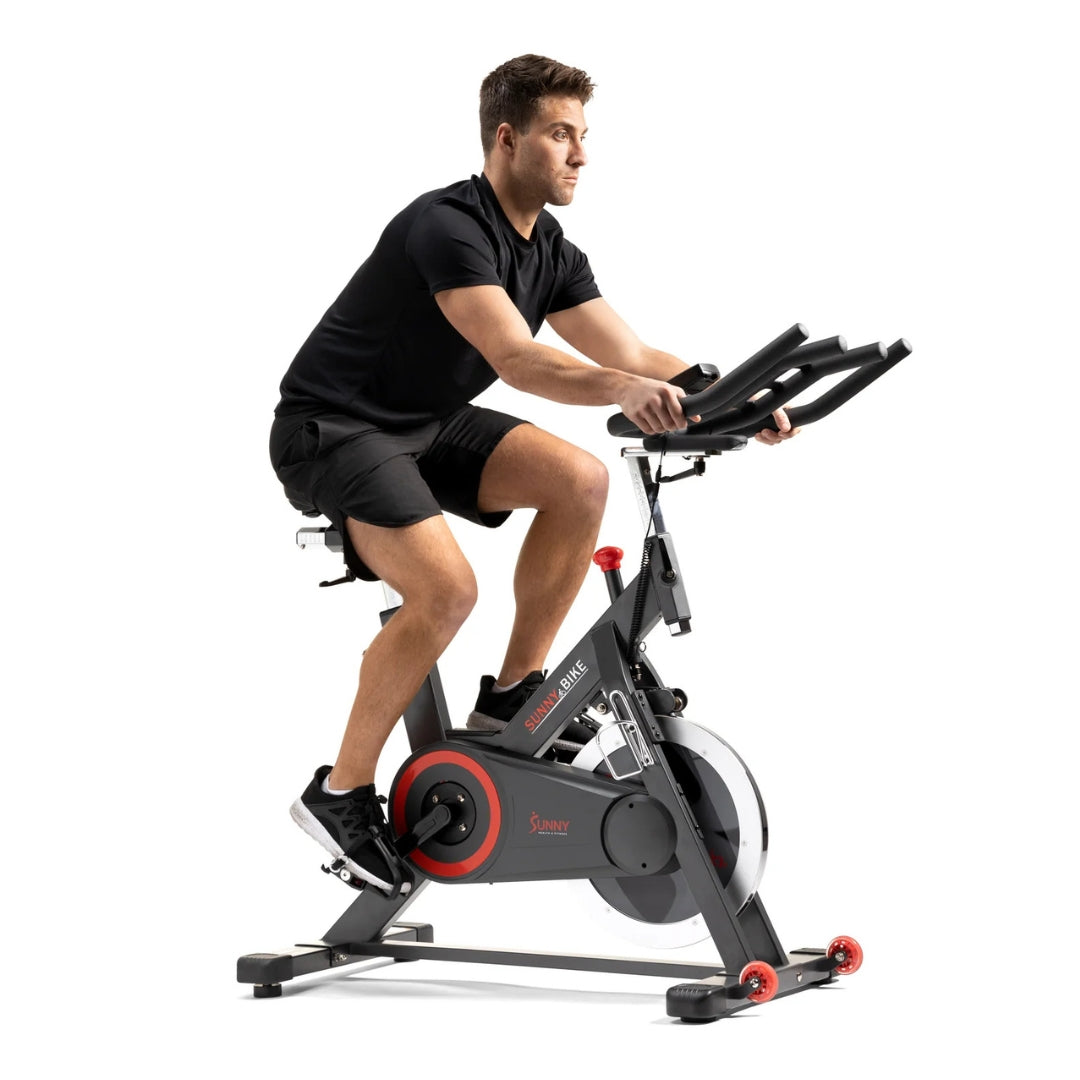
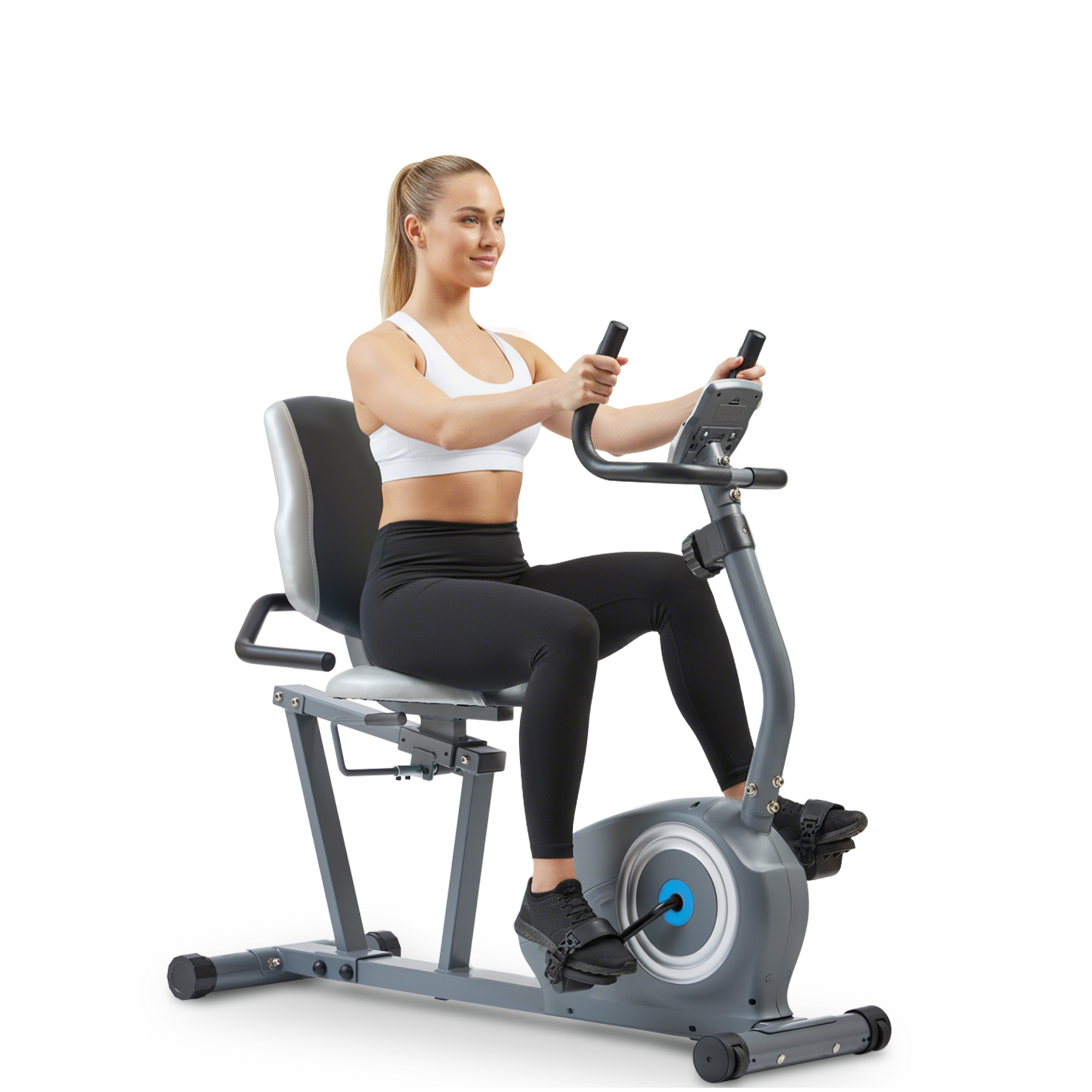
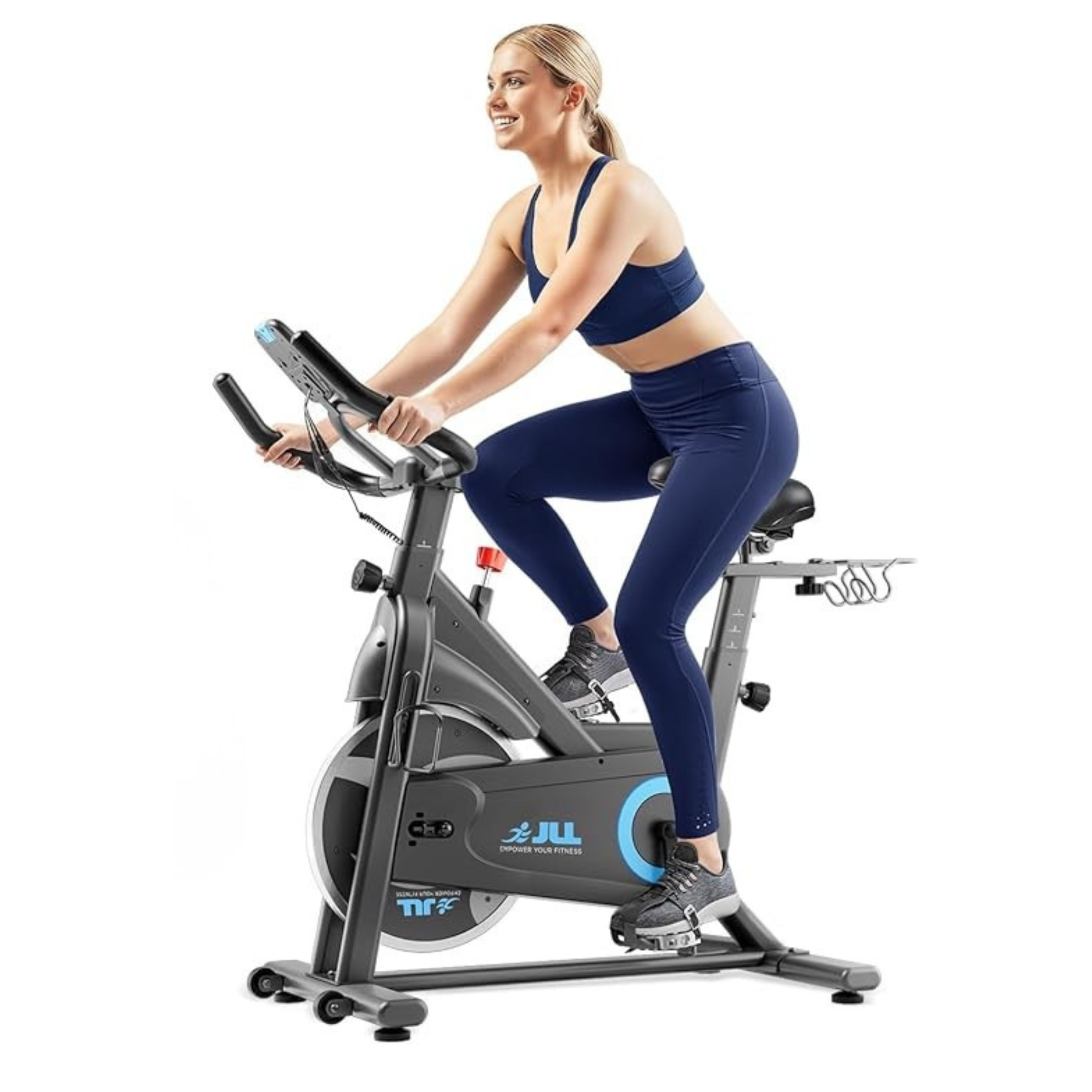
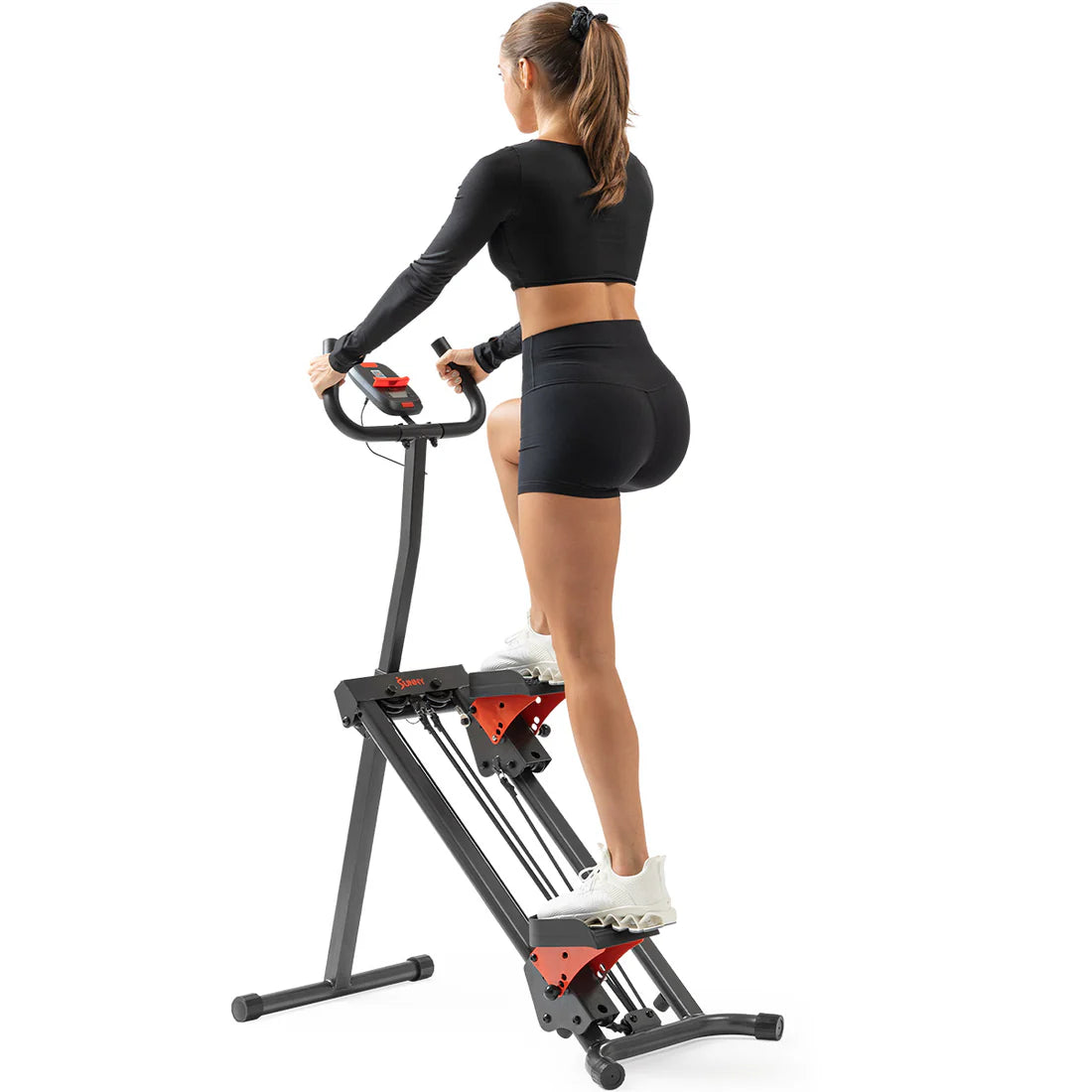
Investing in your physical health shouldn't require draining your savings account. In the world of home gyms, the stationary budget exercise bike remains one of the absolute best fitness tools for building cardiovascular endurance, supporting weight loss, and increasing lower-body power without punishing your joints.
However, searching for affordable exercise equipment can feel like navigating a minefield. The market is flooded with cheap, unstable machines that rattle, creak, and ultimately end up serving as expensive clothes horses in the corner of your bedroom.
When shopping for a home workout setup, you don't need a massive commercial budget to secure structural integrity. This comprehensive guide breaks down the core elements to look for when shopping on a budget for a value-tier machine. We explore the classic debate of an indoor cycle vs exercise bike, and outline how JLL Fitness sets the benchmark for affordable home gym.
Which Bike Matches Your Fitness Goals?
Before looking at flywheels or braking mechanisms, you must define how your body prefers to train.
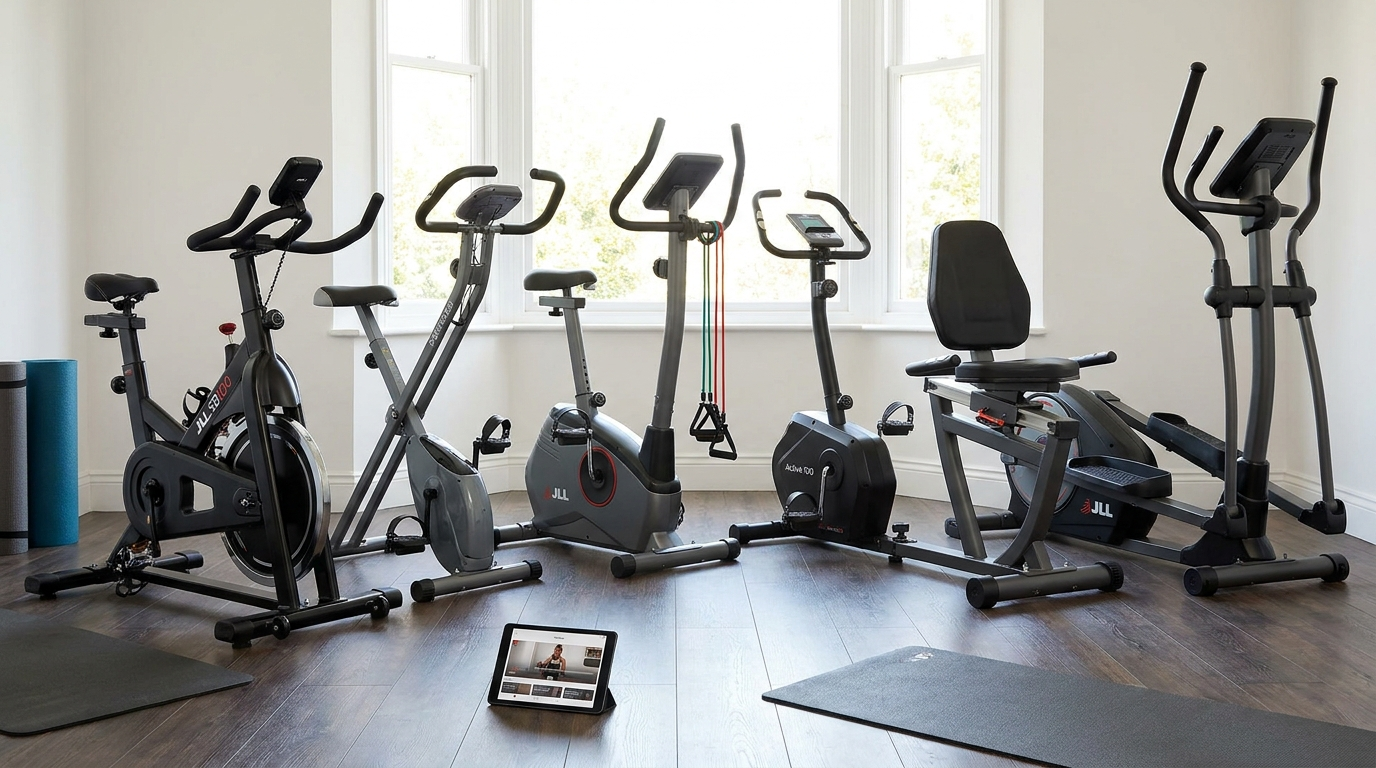
Budget-friendly indoor cycling bikes generally fall into three distinct categories:
1. Upright Exercise Bike (Best for General Fitness & Weight Management)
An upright exercise bike positions your posture exactly like a traditional town bicycle. Your torso sits vertically over the pedals, and the handlebars are positioned relatively high.
The Blueprint: This style takes up a very small floor footprint, usually features wide, comfortable padded seats, and is highly accessible for beginners or casual cardio blocks.
The Affordable Benchmark: The Foldable Magnetic Stationary Exercise X-Bike Pro or 16-Level Magnetic Resistance Upright Bike with workout bands serve as excellent reference points for this type of upright exercise. These upright bikes deliver stable, entry level cardiovascular conditioning without a massive financial barrier.

2. Studio Cycling Bikes (Best for High-Intensity HIIT & Sprinting)
Often referred to as spinning bikes, these machines replicate the geometry of an outdoor racing bicycle, bridging the gap between home fitness and true road biking. The seat sits roughly level with the handlebars, forcing your torso forward into an aggressive, aerodynamic lean.
The Blueprint: A dedicated sprint bike is engineered for intense workouts, heavy hill climbs, and out-of-the-saddle sprinting. These studio cycling powerhouses rely on heavy, exposed flywheels to maintain mechanical momentum.
The Affordable Benchmark: In the budget market, the Active 100 Smart Magnetic Cycling Exercise Bike and SB100 Magnetic Exercise Bike are frequently cited as class leaders. They offer a heavy-duty, rock-solid frame that handles standing sprints easily—a feature rarely found on cheap alternatives.

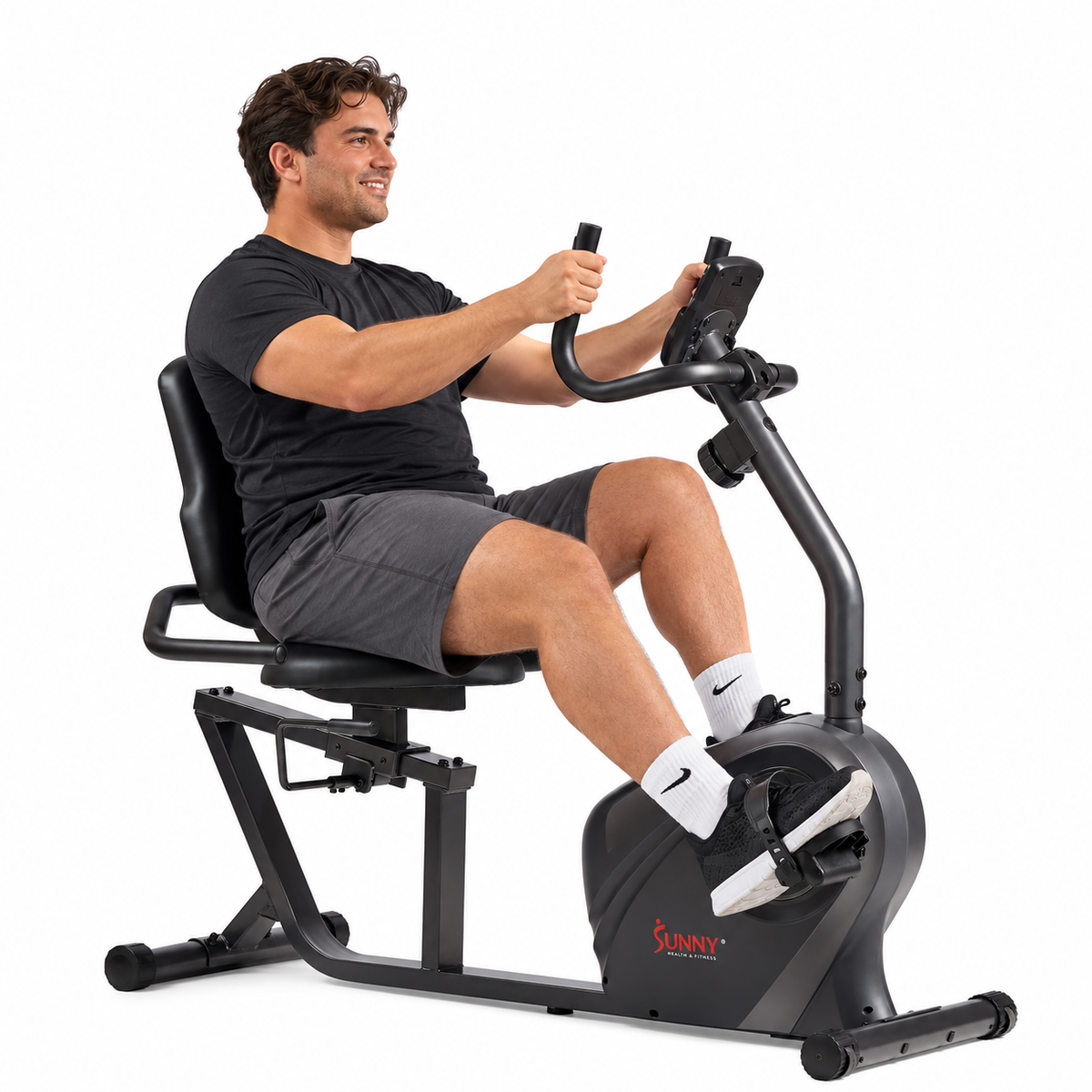
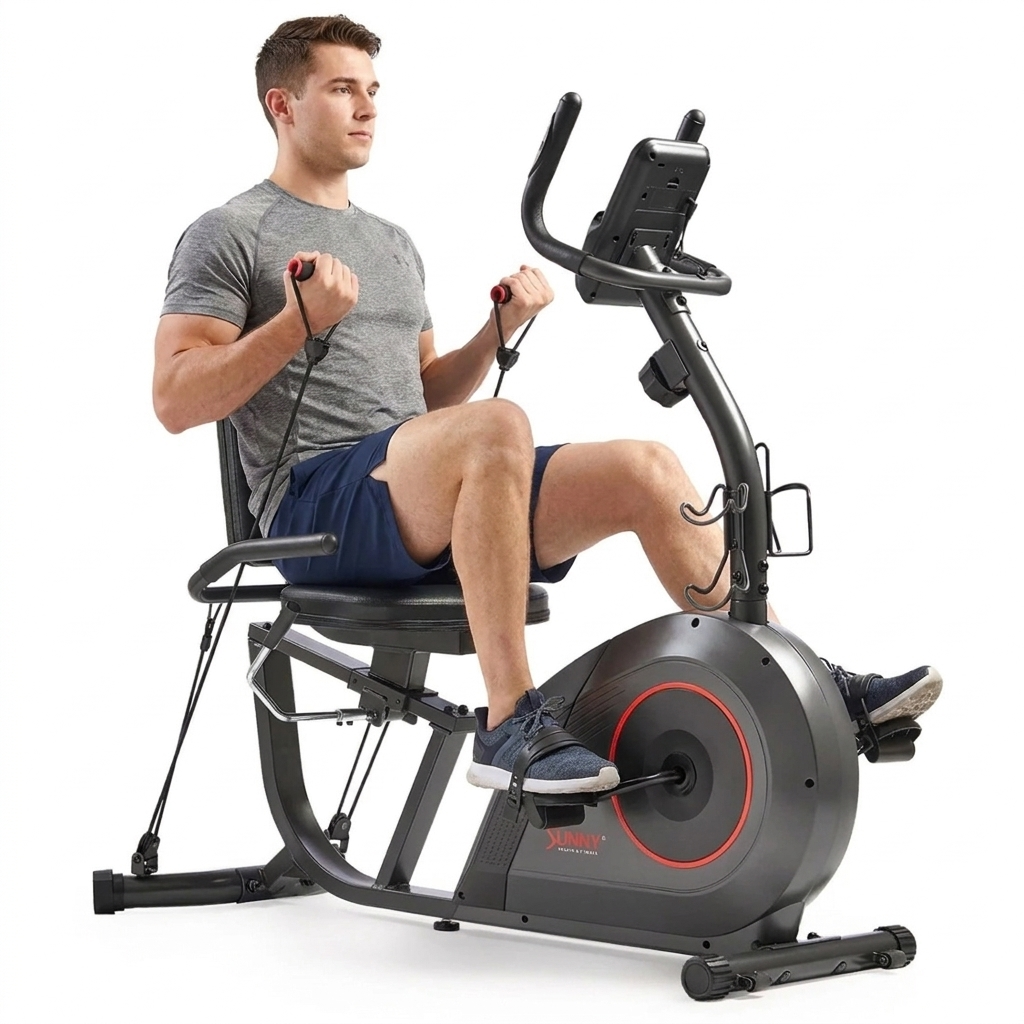
3. Recumbent Exercise Bike (Best for Lumbar Support & Joint Rehabilitation)
A recumbent exercise bike places you in a reclined bucket seat with the pedals positioned out in front of your body.
The Blueprint: This position completely unloads weight from your lower spine and wrists, transferring the focus purely to the legs. It is the absolute gold standard for older adults, anyone recovering from a knee injury, or users with chronic lower back pain.
The Affordable Benchmark: The Heavy-Duty Recumbent Bike w/Wide Cushioned Seat & Back and Performance Interactive Recumbent Cross Trainer Elliptical Bike prove that you do not need to pay commercial gym prices to secure proper, medically supportive ergonomic back rests for home therapy sessions.

4 Technical Anchors to Look For in an Affordable Bike
To avoid buying a fragile machine, look past the aesthetic stickers and look directly at how these bikes features stack up mechanically:
1. Magnetic vs. Friction
How you adjust the resistance on a bike dictates its noise levels and long-term lifespan.
Friction Braking: A pad physically presses against the rotating flywheel. It is cheaper to manufacture, but it produces a subtle hissing noise and the pads eventually wear down.
Magnetic Braking: Magnets change distance from the steel flywheel to create frictionless drag across wide ranges of difficulty. It operates in absolute, whisper-quiet silent operation, has zero parts that wear away over time, and provides highly consistent resistance levels.
2. Belt Drive vs. Chain Drive
When weighing up a belt drive vs chain drive, noise and maintenance are the primary differentiators:
Chain Drives use a standard bicycle chain. They are durable but click audibly and require regular oil maintenance.
Belt Drives use a tough rubber multi-groove belt to transfer power. They are completely silent, require zero lubrication maintenance, and feel incredibly smooth under load.
3. Flywheel Weight & Cadence
The flywheel is the heavy metal disk that spins when you pedal. On cheap bikes, flywheels can weigh too little, which creates a jerky, choppy pedalling cadence. For an authentic road feel, look for indoor studio bikes with flywheels that weigh 8kg or more. The momentum of a heavy disk ensures a smooth, continuous loop that protects your joints.
4. Trackers and Hand Sensors
Even at affordable price points, a quality bike should monitor your vitals. Look for a console built for heart rate monitoring, typically utilizing pulse grips built directly into the handlebars. While a stationary bike isn't a full body workout machine that heavily taxes the upper body, tracking your heart rate ensures your legs are pushing hard enough to stay in an optimal fat-burning zone.
Free Connected Training with the SunnyFit App
One of the biggest complaints about budget exercise bikes is that the basic LCD monitors can feel a bit repetitive over time. You don't need to spend thousands on a bike with a built-in touchscreen to get an immersive, studio-class experience. By opting for a Bluetooth-enabled budget model or simply using your tablet alongside your new bike, you can fully integrate your training with the SunnyFit App.
The SunnyFit App is a 100% free digital fitness platform that completely eliminates the guesswork from your home cardio routines.
Thousands of Free Video Workouts: Access a massive library of over 2,000 on-demand fitness videos led by certified personal trainers. You can jump into high-energy studio cycling sessions, structured endurance rides, or active recovery blocks.
Virtual Scenic World Tours: If you get bored staring at a wall, the app allows you to explore over 10,000 virtual, scenic global routes. It actively tracks your real-time performance data while you cycle through beautiful digital landscapes.
Community and Leaderboards: Log your daily consistency, monitor your heart rate zones, and compete on global leaderboards to keep your motivation pinned to an all-time high.

Ready to transform your home cardio routine? Don't let your new exercise bike become a clothes rack. Download the free SunnyFit App from the iOS App Store or Google Play Store today, pair your device, and start smashing your fitness targets with elite trainer-guided programming!
Where to Budget, and Where to Splurge
When shopping for home gym equipment, accept that compromises will occur to keep the price down. The secret is ensuring the manufacturer made compromises in the right places:
- Where to Accept a Budget Finish: Do not expect massive built-in touchscreens or advanced diagnostic software. Lowering expectations here keeps the price tags low. A simple, clear LCD tracking your time, speed, distance, and calories is perfectly sufficient. You can always place a smartphone or tablet on an integrated device holder to stream guided studio classes.
- Where You Must Never Compromise: Frame stability, high-quality internal bearings, and robust adjustability. If a bike doesn't offer multiple seat adjustments (both vertically and horizontally), your knee alignment will be compromised, leading to joint fatigue over the long term.
Finding the Value Range
To give you an idea of what these affordable bikes offer in real-world environments, here is how the core value options from the JLL Fitness catalogue stack up across different training categories:
Focus on the Mechanical Foundation
When hunting for an affordable exercise bike, look past basic cosmetic add-ons and focus entirely on the physical foundation: a heavy flywheel, a sturdy steel frame, quiet magnetic braking, and an adjustable riding position.
By balancing your training goals with smart manufacturing compromises, you can build an incredibly effective, safe, and motivating training station right in your living room without paying a premium.
Frequently Asked Questions (FAQ)
Q: Is a friction bike or a magnetic bike better if I live in a small apartment?
A: A magnetic resistance bike is highly recommended for apartments or shared living spaces. While friction braking creates a soft, audible hissing noise as the pad rubs against the flywheel, magnetic systems operate in absolute, whisper-quiet silence and require zero replacement parts over time.
Q: Can I use clip-in cycling shoes on budget exercise bikes?
A: Most entry-level budget exercise bikes come standard with high-traction caged pedals meant for ordinary trainers. However, because pedal threads are largely standardised, you can easily purchase separate SPD-compatible or dual-sided pedals later and swap them out using a standard spanner if you want to upgrade to a true road-bike clip-in experience.
Q: How do I know if a budget bike's flywheel is heavy enough?
A: For a casual, upright exercise bike, a lighter flywheel is perfectly adequate. However, if you are purchasing a studio cycling sprint bike for out-of-the-saddle workouts, look for a flywheel weight of 8 kg or more. A heavier flywheel provides the essential momentum required for a smooth, continuous pedal stroke that protects your knee joints from jerky movements.




Leave a comment
All comments are moderated before being published.
This site is protected by hCaptcha and the hCaptcha Privacy Policy and Terms of Service apply.