


When setting up a home gym to lose extra weight, cardio equipment is one of the best investments you can make. Adding structured cardio to your weekly routine helps you create a calorie deficit. It also increases daily energy use and builds cardiovascular endurance. These are key foundations for sustainable weight loss.
Beyond fat burning, regular aerobic exercise offers key health benefits. It improves heart and blood vessel function, boosts insulin sensitivity, and helps control blood sugar levels.
With so many choices—motorised treadmills, indoor rowers, exercise bikes, and elliptical cross trainers—it is easy to wonder: which cardio machines for weight loss burn the most fat?
Here is a breakdown of popular home cardio equipment. It compares calorie burn and key features to help match your fitness goals, joint health, and living space.
How Cardio Burns Body Fat: The Science
Weight loss fundamentally comes down to energy balance: consistently expending more calories than you consume. Cardio expedites fat burning by elevating your heart rate and boosting both immediate and post-exercise oxygen consumption.
Four primary physiological variables determine how efficiently a workout burns fat:
- Exercise Intensity: Higher heart rates increase the total number of calories burned per minute.
- Duration: Longer sessions accumulate a higher aggregate energy deficit.
- Muscular Recruitment: Machines that recruit multiple large muscle groups simultaneously force the heart and lungs to work harder, dramatically raising overall metabolic demand.
- Consistency: The best cardio equipment for weight loss is ultimately the machine you enjoy using regularly enough to maintain weekly volume.
Comparing the Best Home Cardio Machines for Weight Loss
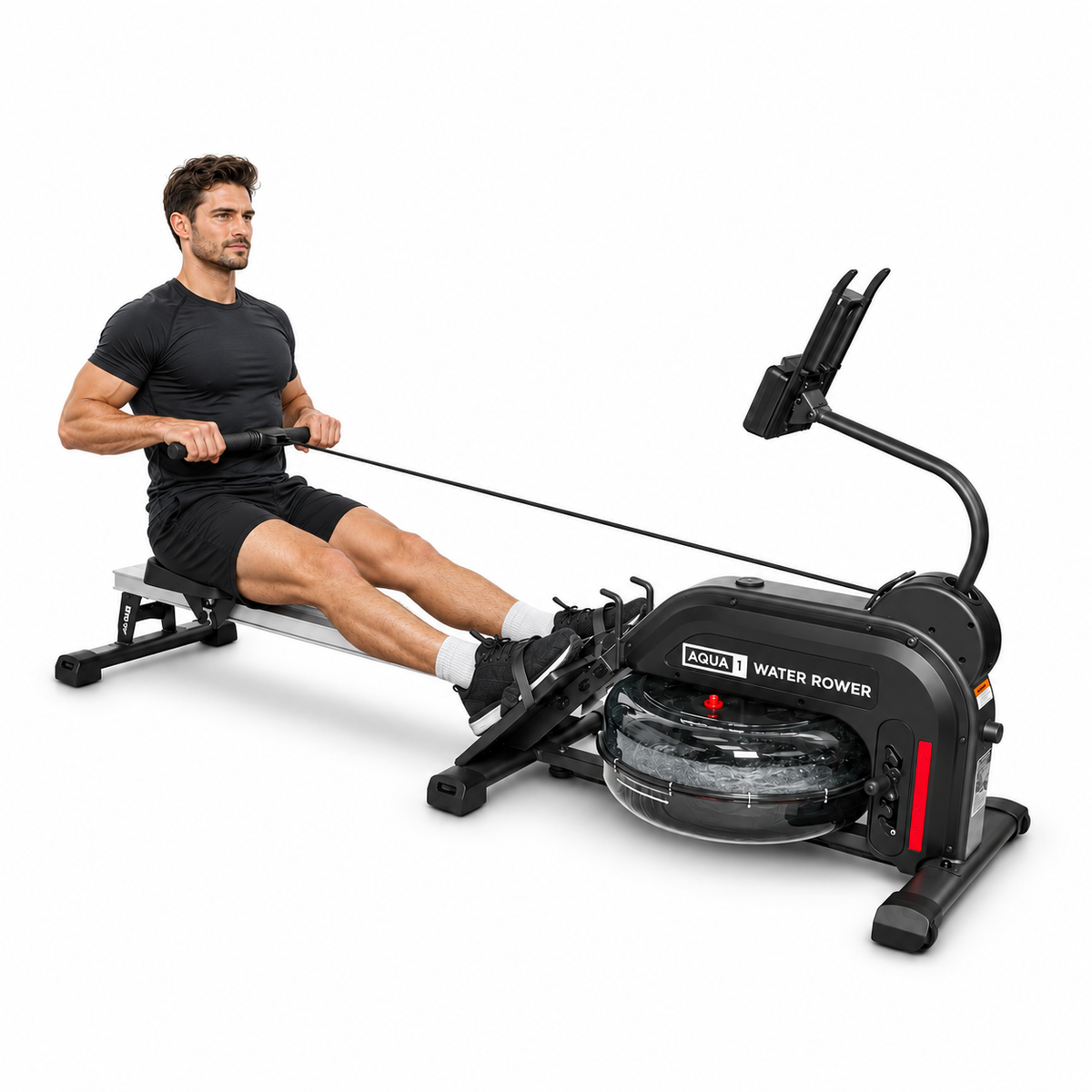
1. Indoor Rowing Machines: Best Full-Body Calorie Burn
- Estimated Calorie Burn (30 mins): 250–450 kcal
- Impact Level: Very low
- Primary Target: 85% of total body musculature (legs, core, back, arms)
Indoor rowers are among the most versatile tools for torching calories and achieving a comprehensive full body workout; learn more about why the indoor rower is the UK’s best-kept fitness secret. Unlike machines that isolate either the lower or upper body, rowing uses a simultaneous leg drive, hip hinge, and upper-body pull.
- Why it excels for weight loss: Nearly nine out of ten muscles work during every stroke. The cardiovascular system uses lots of energy to deliver oxygen to large muscle groups.
- Dual Action: Rowing doesn't just burn calories; the resistance element helps you build strength and muscle across your posterior chain and core while stripping away fat.
- Low Impact: The fluid, seated movement puts negligible stress on ankles, knees, and hips, reducing overuse fatigue.
- Downside: Correct technique is crucial; slouching or pulling with the arms too early limits efficiency and risks lower back tightness. Because slouching or pulling with the arms too early limits efficiency, mastering the perfect rowing form is essential for lower back safety and maximum power transfer.

2. Treadmills: Maximum Calorie Burn for High Intensity
- Estimated Calorie Burn (30 mins): 300–450 kcal
- Impact Level: Moderate to high
- Primary Target: Quadriceps, hamstrings, glutes, calves, and core
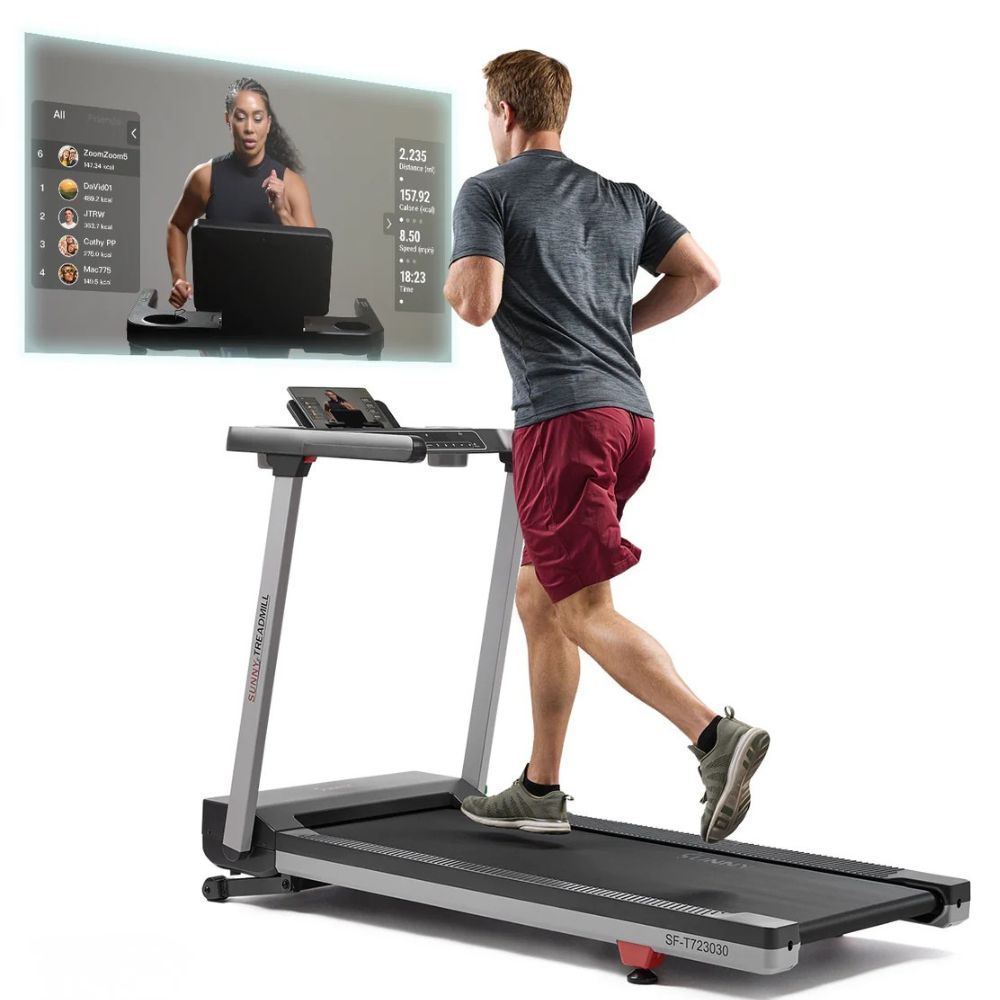
Treadmills continue to be the gold standard benchmark for absolute calorie burn per minute; see our complete guide on how to lose weight on a treadmill for progressive workout protocols. Moving your own body weight against gravity naturally demands substantial energy output.
- Why it excels for weight loss: Incline settings let you apply progressive overload without needing to sprint. Incline walking at a steep angle matches or exceeds the caloric expenditure of flat jogging while significantly lowering impact stress.
- Flexibility: Suits everything from low-intensity steady-state (LISS) walks to 15-minute high-intensity interval training (HIIT).
- Downside: Continuous outdoor or road-style running on a deck can be tough on sensitive knees and joints.
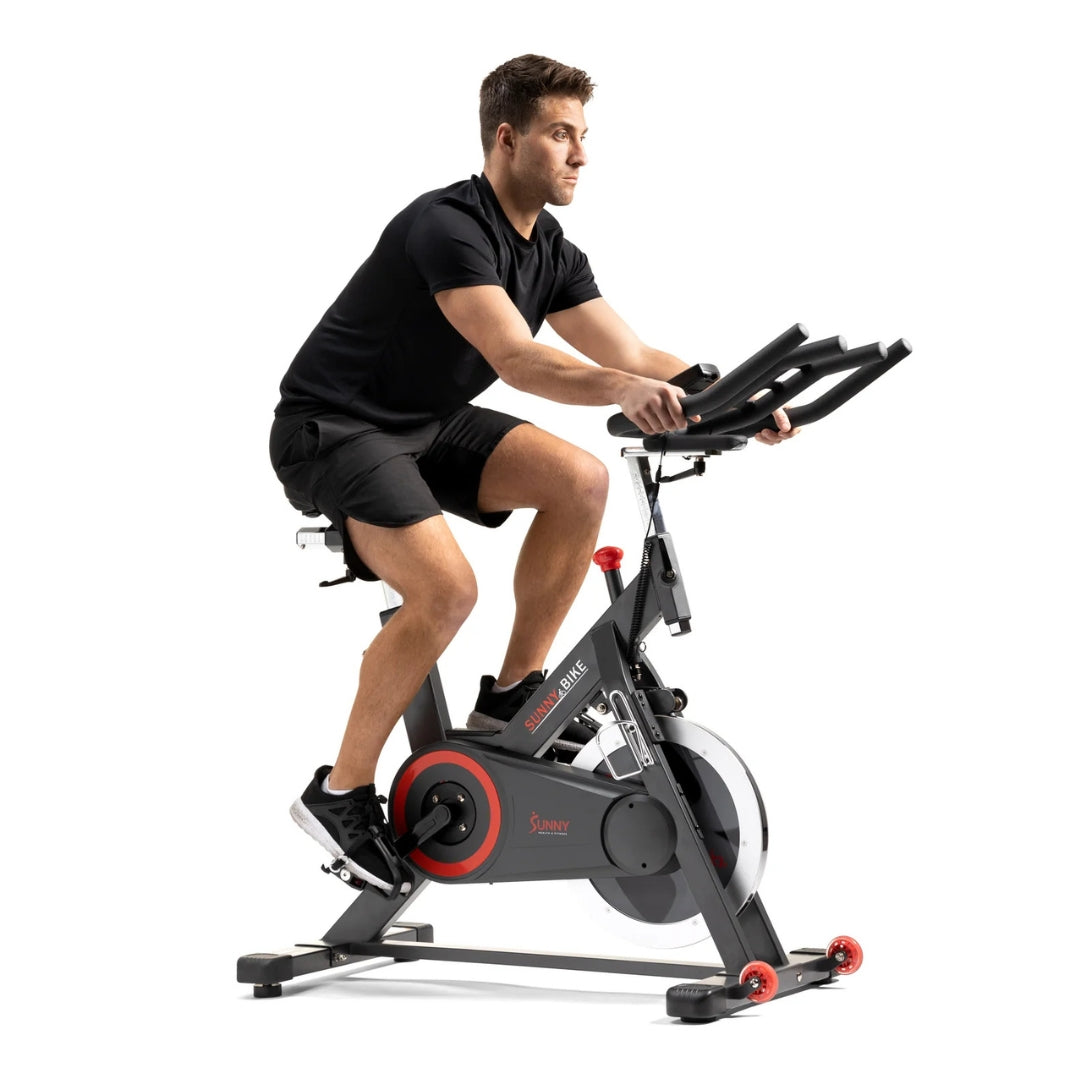
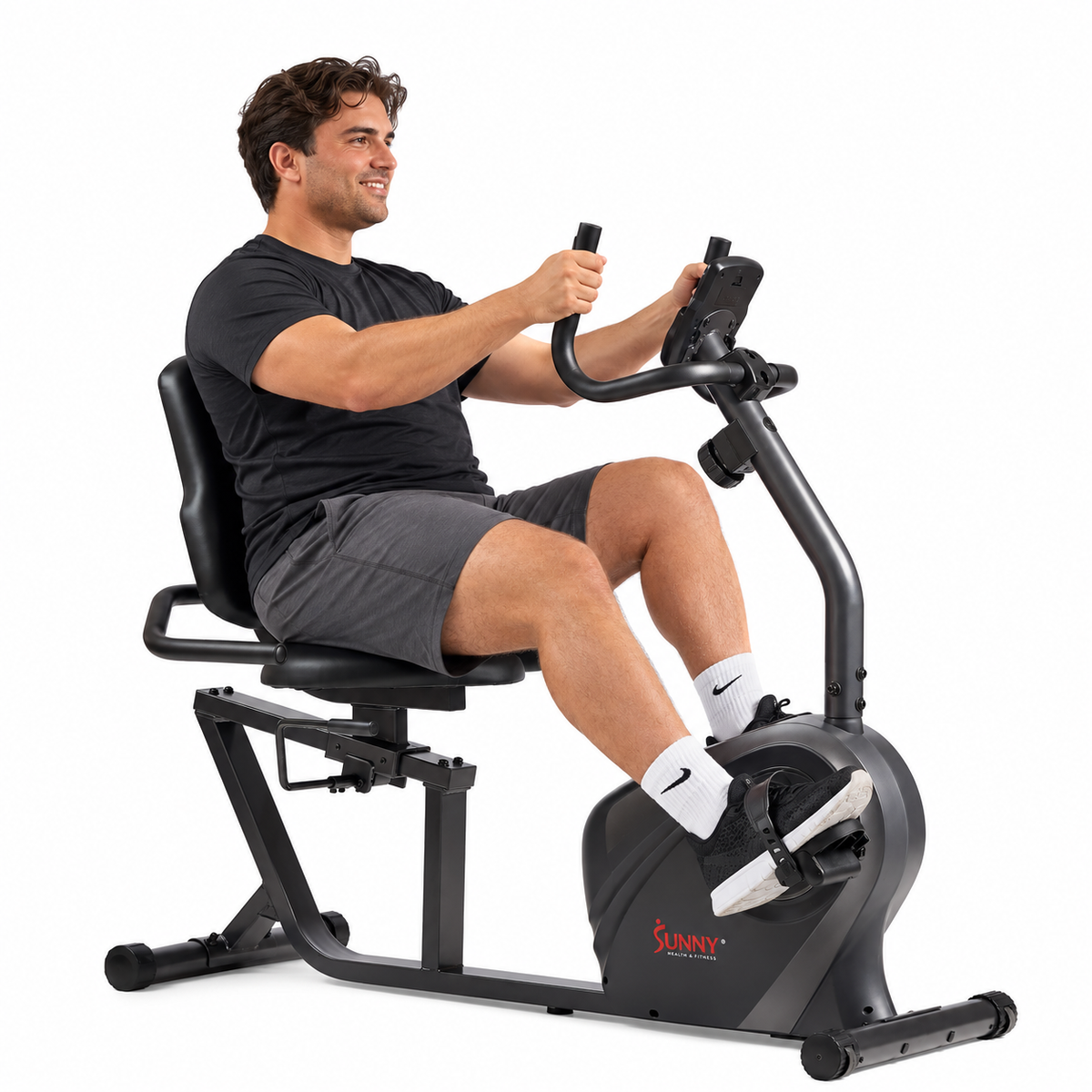
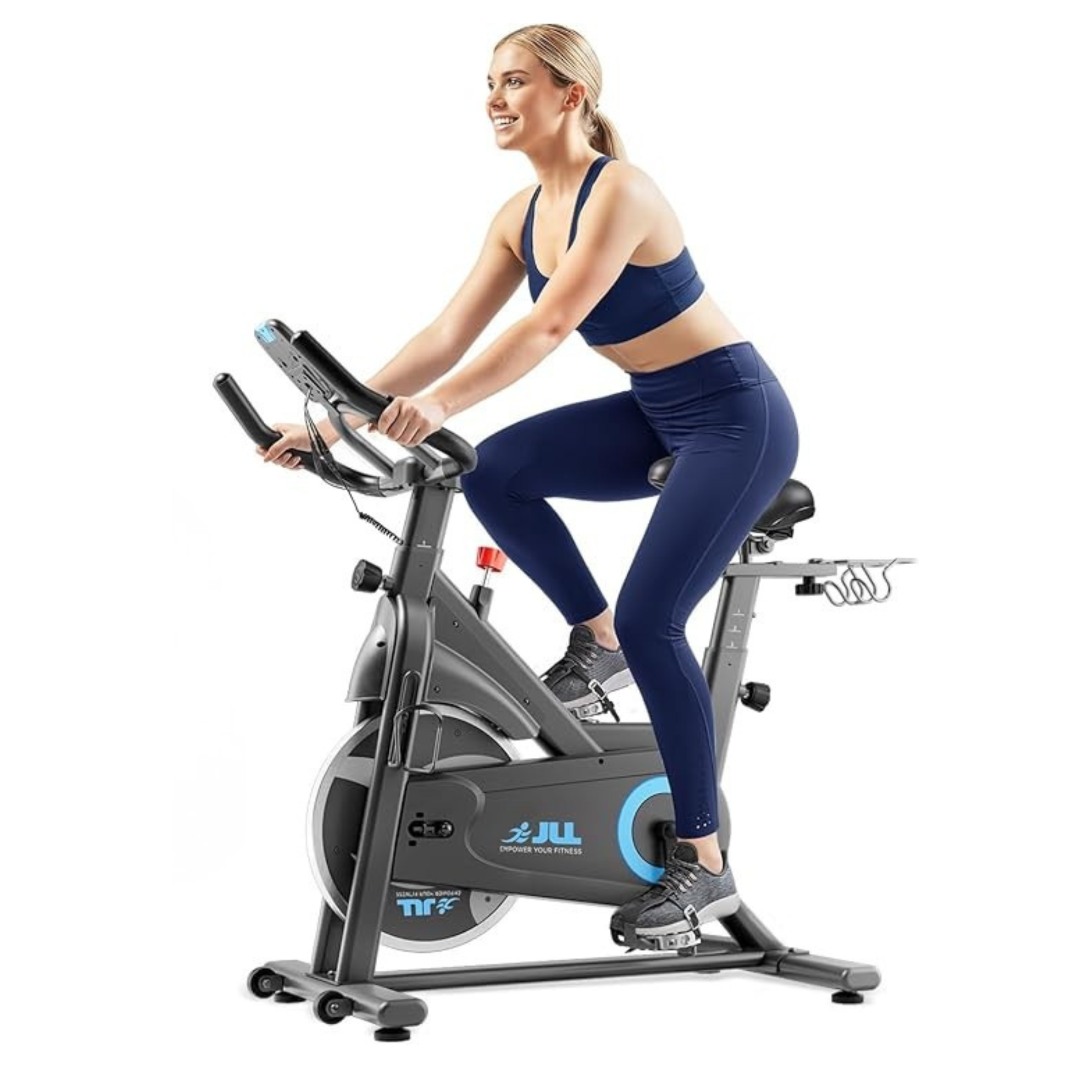
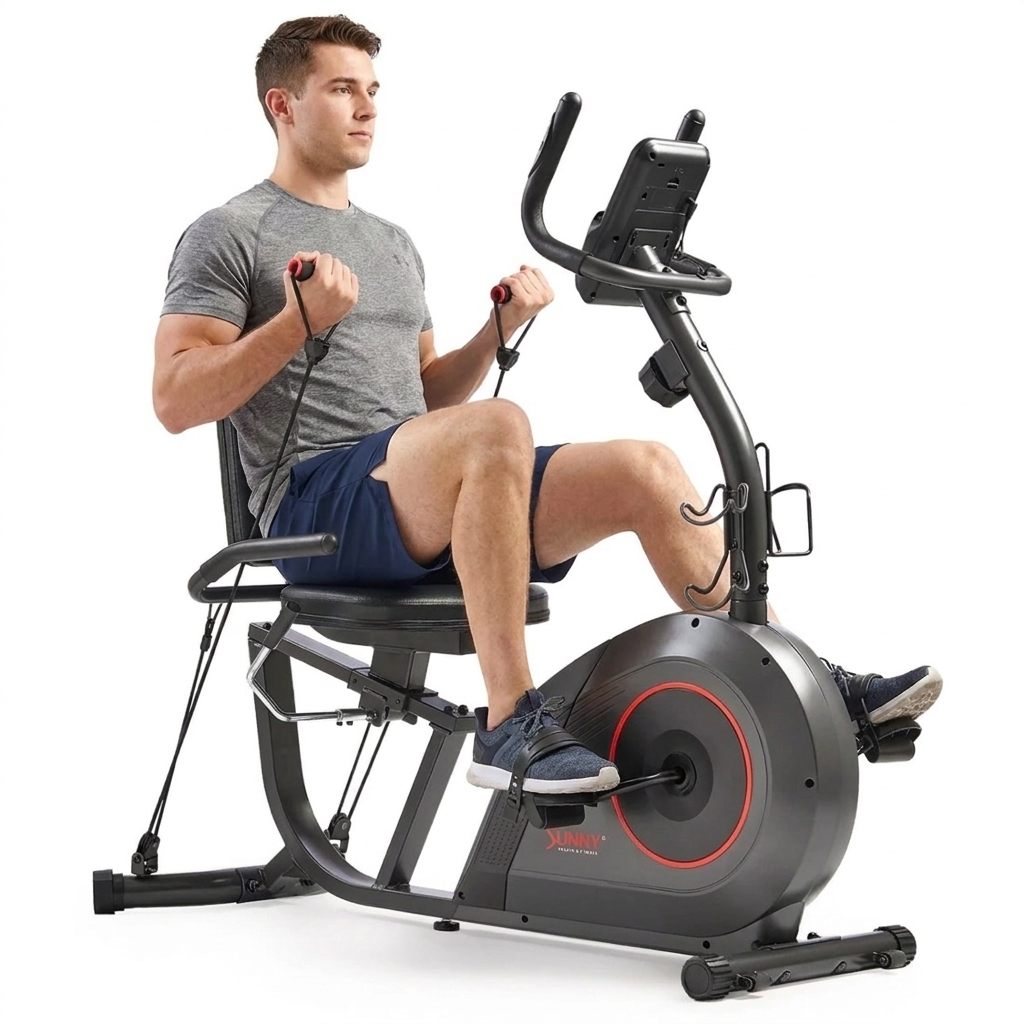
3. Exercise Bikes (Upright & Spin): Best Low-Impact Weight Loss Machine
- Estimated Calorie Burn (30 mins): 200–400 kcal
- Impact Level: Zero to low
- Primary Target: Quads, hamstrings, calves, and glutes
Stationary upright and studio spin bikes allow precise resistance adjustments, making them suitable for explosive interval protocols and sustained aerobic rides. If you are comparing indoor cycle specs, find out whether flywheel weight matters on indoor cycles before picking a model for home intervals.
- Why it excels for weight loss: Cycling is joint-friendly and accessible regardless of your current body weight. High-resistance intervals challenge your quads and glutes to build strength, while steady rides help optimise daily insulin response and stabilize blood sugar.
- Downside: The movement is mostly lower-body focused. It needs more resistance or speed to match the calorie burn of full-body rowers.
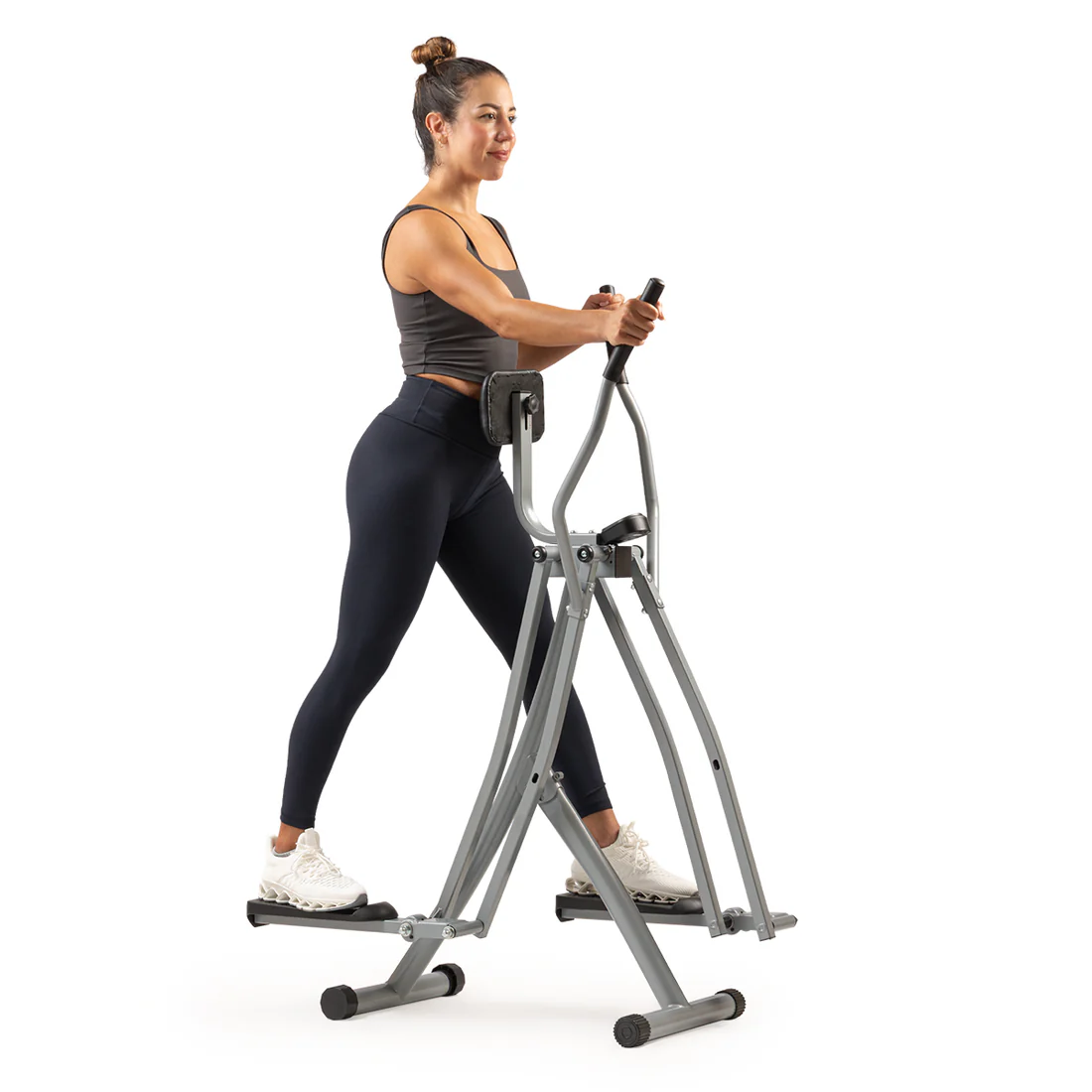
4. Cross Trainers (Ellipticals): Best Joint-Friendly Full-Body Conditioning
- Estimated Calorie Burn (30 mins): 250–350 kcal
- Impact Level: Ultra-low
- Primary Target: Upper chest, back, arms, glutes, and thighs
Cross trainers combine an elliptical gliding pedal stride with synchronised dual-action handlebars, providing an accessible full body workout right at home.
- Why it excels for weight loss: You keep your feet anchored to the footplates throughout the movement, preventing high-impact shocks to joints while recruiting both upper and lower muscle groups.
- Downside: Calorie output at identical perceived effort levels tends to sit slightly lower than on a rowing machine or a running treadmill. Deciding between a cushioned deck and fluid footplates? Read our comparison of elliptical vs treadmill to see which machine best aligns with your weekly schedule.
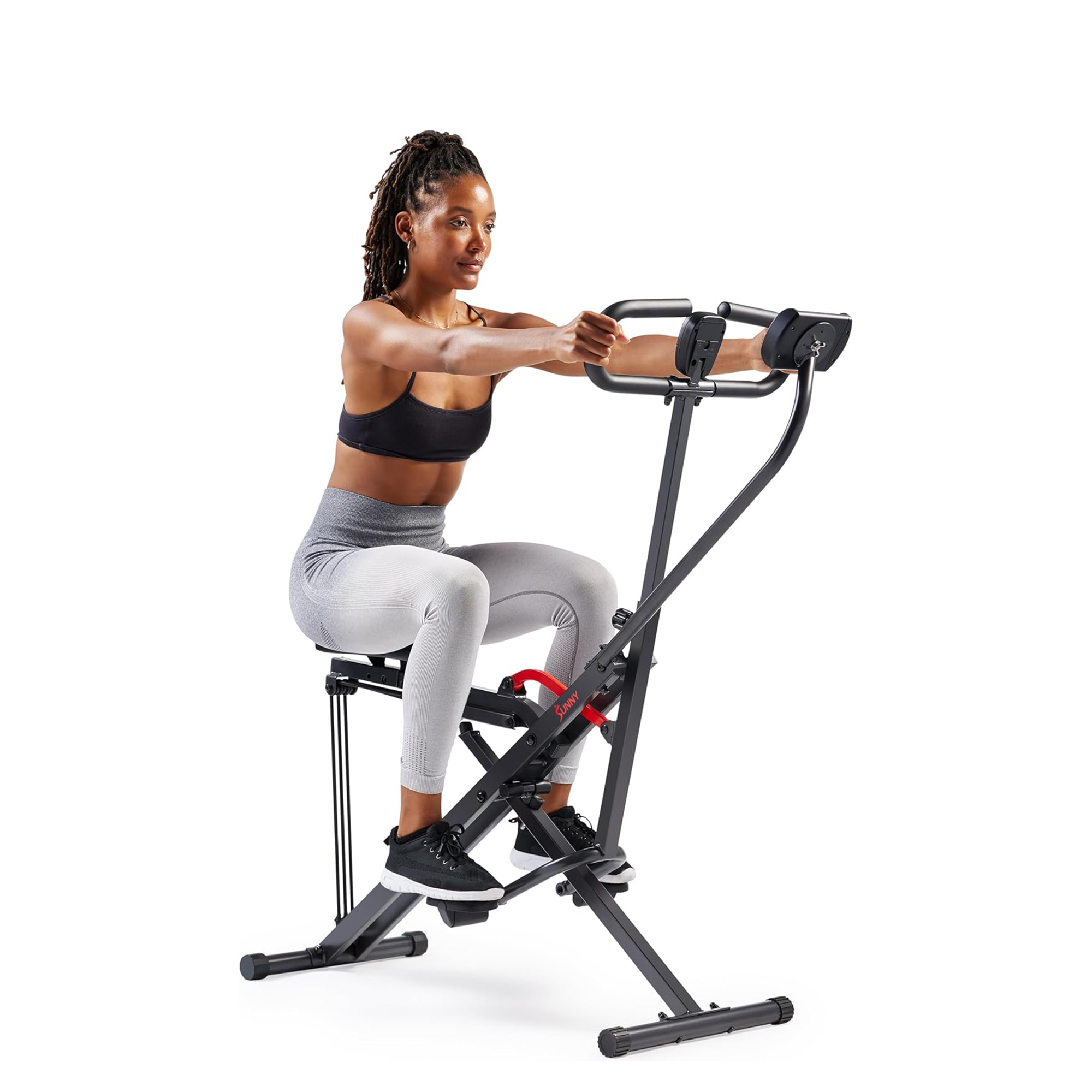
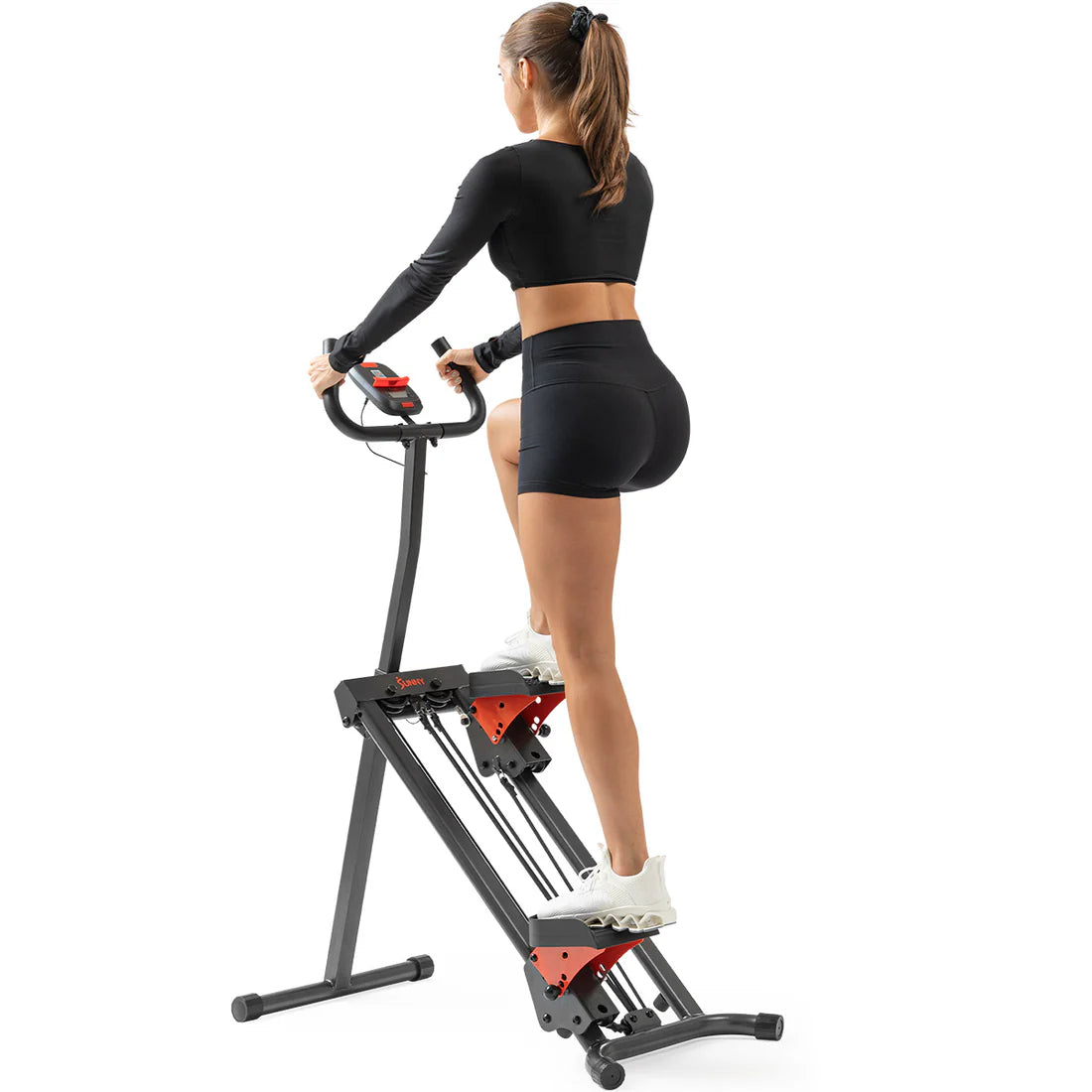
5. Steppers & Stair Climbers: Best for Lower-Body Power & High Energy Deficit
- Estimated Calorie Burn (30 mins): 250–400 kcal
- Impact Level: Low to moderate
- Primary Target: Glutes, quadriceps, hamstrings, calves, and core
Stair climbers and compact steppers simulate ascending an endless flight of stairs, forcing you to lift your own body weight against gravity with every single step. This makes them a powerhouse for anyone looking to create a calorie deficit quickly without spending an hour working out.
- Why it excels for weight loss: Because continuous vertical climbing heavily engages the body’s largest muscle groups—the glutes and thighs—it elevates your heart rate rapidly, resulting in a substantial number of calories burned in shorter sessions.
- Strength & Tone: Stepping acts as a bridge between pure aerobic exercise and resistance training. The constant upward drive helps you build strength and tone muscle throughout the entire posterior chain, firing up your resting metabolic rate.
- Core Stability: Keeping an upright, balanced posture on revolving steps or independent pedals recruits deep stabilising muscles across your core and lower back, adding extra full-body demand.
- Downside: It is a leg-dominant movement with zero upper-body involvement. Leaning heavily on the support rails can significantly decrease caloric burn, so maintaining strict, self-supported posture is essential.
30-Minute Cardio Machine Calorie & Impact Comparison
| Cardio Machine | Approx. Calorie Burn (30 min) | Impact Rating | Primary Muscle Groups | Weight Loss Suitability |
|---|---|---|---|---|
| Rowing Machine | 250 – 450 kcal | Very Low | Full body (Legs, Back, Core) | Exceptional |
| Treadmill (Incline/Run) | 300 – 450 kcal | Moderate – High | Lower body & Core | Exceptional |
| Exercise Bike | 200 – 400 kcal | Low | Lower body | High |
| Cross Trainer | 250 – 350 kcal | Low | Full body | High |
| Stepper / Climber | 250 – 400 kcal | Low – Moderate | Glutes, Quads & Calves | High |
How Often Should You Use Cardio Equipment for Fat Loss?
Under UK physical activity guidelines, adults should target at least:
- 150 minutes of moderate-intensity aerobic exercise per week (such as brisk incline walking or steady cycling), or
- 75 minutes of vigorous-intensity activity (such as interval rowing or running), alongside strength sessions to help maintain and build muscle.
To accelerate fat loss, schedule 3 to 5 targeted sessions weekly. Alternating 20-minute interval sessions with 40-minute steady-state workouts prevents central nervous system burnout while keeping weekly caloric expenditure high.
4 Strategies to Maximise Caloric Deficit on Any Machine
- Incorporate Interval Training (HIIT): Alternate 45 seconds of vigorous effort with 75 seconds of active recovery. This spikes the metabolic rate in a fraction of standard training time.
- Train within Target Heart-Rate Zones: Use built-in pulse sensors or a Bluetooth chest strap to keep your exertion within 70% to 85% of your maximum heart rate.
- Use Resistance & Incline Progressively: Avoid coasting on low resistance. Increasing treadmill incline or magnetic flywheel resistance recruits more muscle fibres, driving up the total number of calories expended.
- Prioritise Nutrition & Sleep: While cardio helps you create a calorie deficit, sustainable fat loss requires whole-food nutrition and quality recovery to preserve lean muscle tissue.
Frequently Asked Questions
Which cardio machine burns the most belly fat?
Targeted fat reduction (spot reduction) is a physiological myth; your body draws from total fat stores rather than one specific area.
However, machines that deliver a true full body workout with high energy demands—such as rowing machines and incline treadmills—create the overall deficit required to reduce visceral and abdominal fat over time.
Is an exercise bike or a treadmill better for weight loss?
Treadmills burn slightly more calories per minute because supporting your entire body weight demands extra energy. However, exercise bikes allow for longer, lower-impact sessions with minimal joint discomfort, making them easier to stick to if you experience joint tenderness.
How quickly can I expect to see fat loss results?
Paired with a moderate caloric deficit (around 300–500 kcal below maintenance), consistent training on home cardio machines typically delivers visible body composition changes and noticeable health benefits within 4 to 8 weeks.
Choosing between the best cardio machines for weight loss comes down to matching your physical needs with equipment you enjoy using. Treadmills lead on raw, high-impact calorie burn, while rowing machines deliver balanced conditioning that helps you burn fat and build strength without joint strain. Pick the machine that fits your space, train with intent, and keep your routine consistent.
Recommended Home Cardio Equipment for Fat Loss
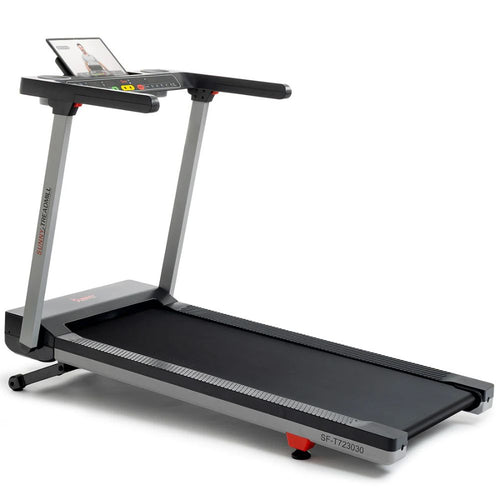
Auto Incline Smart Treadmill
15 auto-incline levels and cushioned deck for high-calorie, low-impact walking and running.

Smart Magnetic Rowing Machine
16-level silent magnetic tension delivering comprehensive full-body fat burn with app integration.
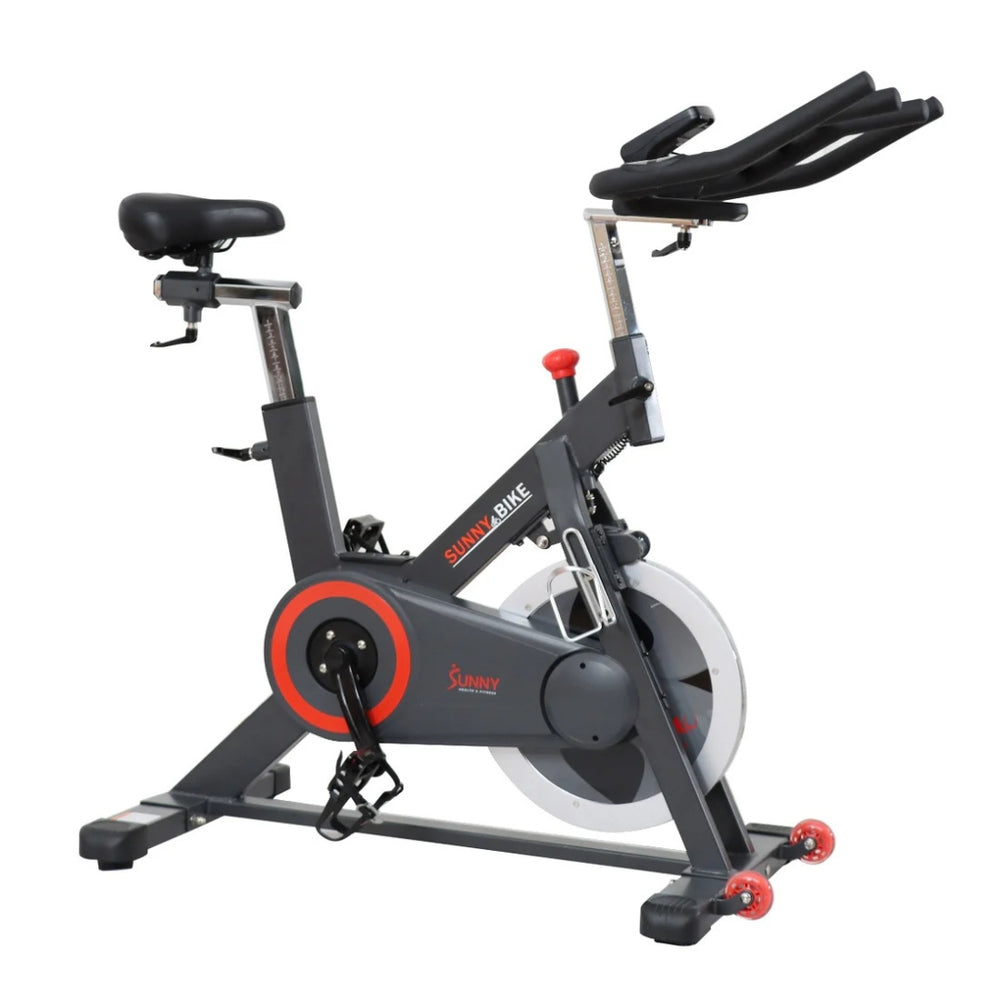
Smart Magnetic Exercise Bike
Heavy 20kg flywheel and smooth magnetic resistance for joint-friendly HIIT and steady cardio.






Leave a comment
All comments are moderated before being published.
This site is protected by hCaptcha and the hCaptcha Privacy Policy and Terms of Service apply.