



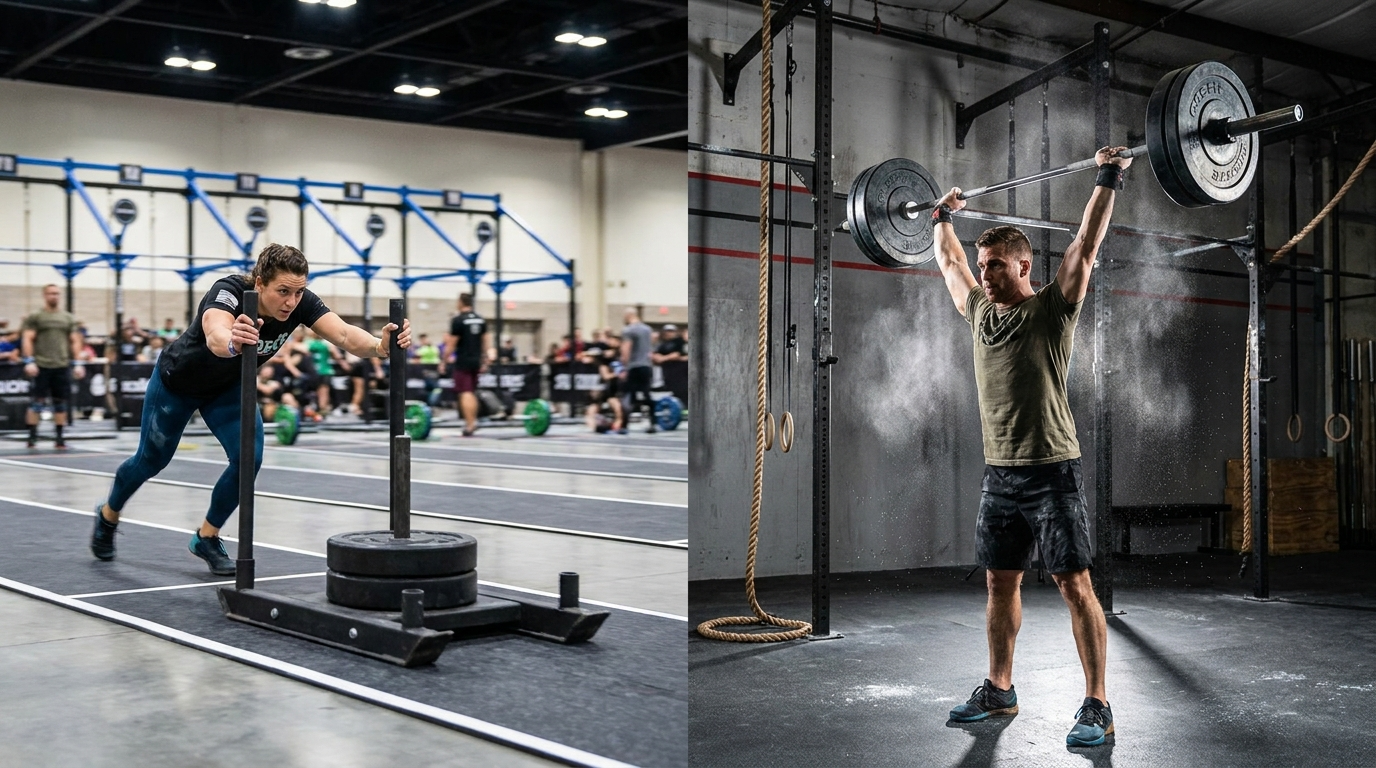
Functional fitness has undergone a massive shift. No longer confined to traditional, isolated bodybuilding splits, the modern fitness landscape is dominated by high-intensity, full-body training ecosystems. If you are looking to push your physical limits, you have undoubtedly crossed paths with two absolute giants: CrossFit and Hyrox.
While both communities share an affinity for sweat, grit, and functional movements, they are completely different beasts. Mixing them up is like comparing a decathlete to a marathon runner who occasionally carries a sandbag.
Whether you are looking to outfit your home gym, choose your next competitive goal, or figure out whether you need an Olympic barbell or an aerobic conditioning engine, this ultimate guide breaks down the core training methodologies, structural differences, and equipment demands of Hyrox vs CrossFit.
The Core Differences Between Hyrox & CrossFit
Before diving into the technical programming, here is the fundamental split between the two disciplines:
| Metric / Feature | Hyrox | CrossFit |
| The Core Format | Standardised globally: 8km running + 8 functional stations. | Constantly varied: The "Workout of the Day" (WOD) changes daily. |
| Primary Energy System | Aerobic endurance & strength-endurance. | Anaerobic power, explosiveness, & lactic tolerance. |
| Technical Complexity | Low. Simple, repeatable human movements (push, pull, run). | High. Requires advanced Olympic lifting and gymnastics. |
| Running Volume | Very High. Exactly 8km per race, making up over 50% of total time. | Low to Moderate. Short sprints or intervals, rarely the sole focus. |
| How You Win | Time-trial format: You vs the clock. | Point-based leaderboard across wildly varying physical tests. |
What is Hyrox?
Founded in Germany in 2017, Hyrox brands itself as "The World Series of Fitness Racing." It is an indoor mass-participation fitness event held in massive exhibition halls globally.
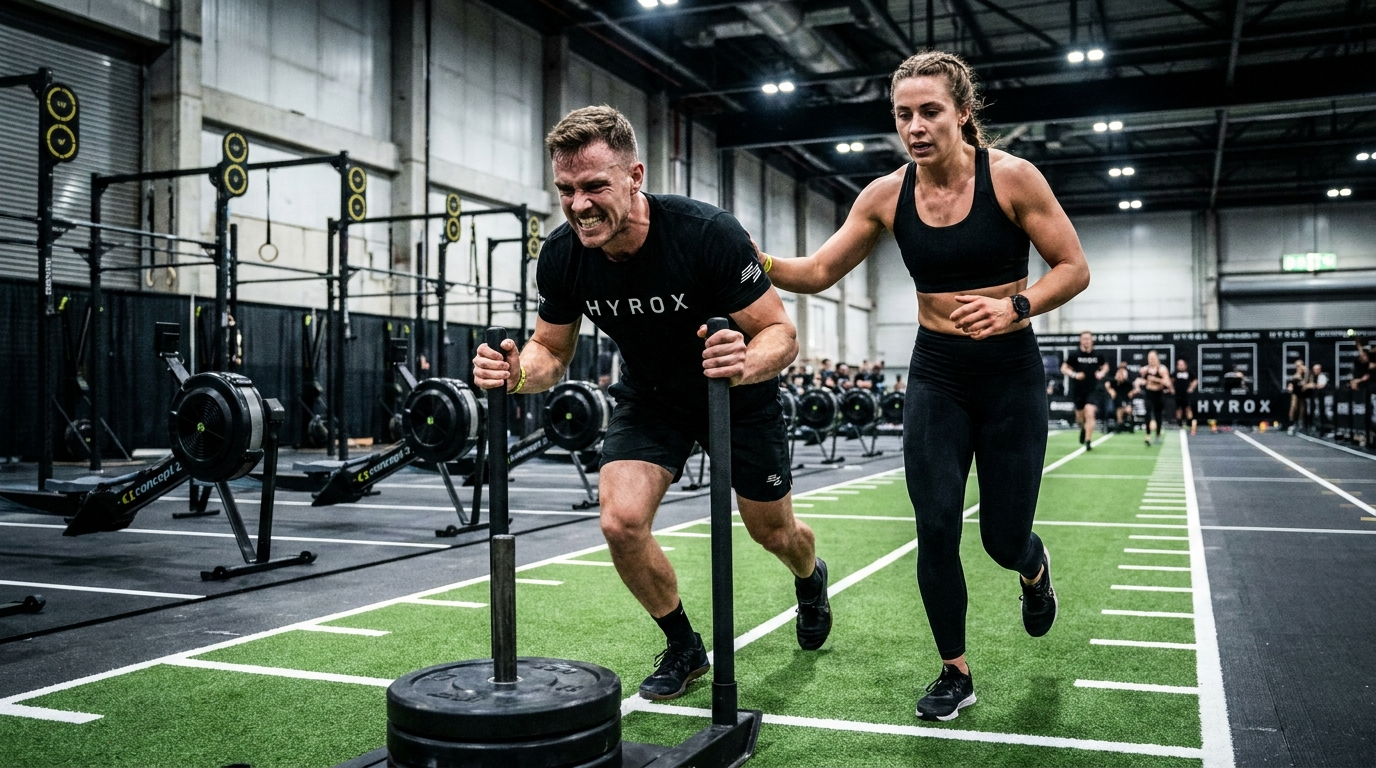
The beauty—and the brutality—of a hyrox event lies in its absolute predictability. Every single hyrox race uses the exact same layout. You run 1 kilometre, followed by 1 functional workout station. You repeat this cycle exactly 8 times over the course of the competition.

The 8 Hyrox Stations (In Exact Order):
- 1,000m SkiErg
- 50m Sled Push (Weight varies by division)
- 50m Sled Pull
- 80m Burpee Broad Jumps
- 1,000m Rowing Machine
- 200m Farmer’s Carry
- 100m Sandbag Lunges
- 100 Wall Balls
Because the course is completely identical from London to Seoul, this unique type of exercise functions like a global fitness marathon. It offers a global leaderboard where an amateur in Manchester can directly compare their chip-timed performance to an elite athlete in New York on race day.
What is CrossFit?
Established in the early 2000s, CrossFit is a core strength and conditioning methodology designed around constantly varied, high-intensity functional movements.
CrossFit’s ultimate goal is General Physical Preparedness (GPP). It aims to forge an athlete who has a balanced work capacity that is competent across ten fitness domains, including cardiovascular endurance, stamina, strength, flexibility, power, speed, coordination, agility, balance, and accuracy.
Unlike Hyrox, a CrossFit workout is entirely unpredictable. When you walk into a CrossFit "Box" (the term for a CrossFit gym), you perform a good wod (Workout of the Day). These crossfit training workouts could be a 5-minute anaerobic sprint, a 30-minute gruelling structural grind, or a test of maximum physical strength.
CrossFit competitions—ranging from local throwdowns to the international CrossFit Games—embody this ethos. Athletes have no idea what events they will face until days, or sometimes hours, before the buzzer sounds. A competition might require you to swim in open water, perform handstand walks, climb ropes, or lift a maximum-load clean and jerk.

Skill vs. Stamina
The contrast between these two worlds shines brightest when looking at the technical barrier to entry and how they accommodate different fitness levels.
1. Movement Complexity & Learning Curves
CrossFit is highly technical. To safely execute its programming, you must invest months—often years—into mastering complex Olympic weightlifting movements (the snatch, clean and jerk) and high-skill gymnastics. Because of this complexity, poor form during explosive movements can elevate the risk of injury. Proper coaching and scaled progressions are vital to prevent injuries as you develop.
Hyrox features low technical complexity. The stations are basic biomechanical patterns: running, rowing, skiing, pushing, pulling, and squatting. There are no heavy barbells and no gymnastic elements. It has a virtually zero-skill barrier to entry, resulting in an astonishing 98% finish rate across its competitive fields.
2. The Role of "Compromised Running"
If you choose Hyrox, you are signing up for a runner's sport. With 8km of total running broken up by heavy strength stations, your cardiovascular engine is the ultimate limiting factor. Hyrox athletes must master compromised running—the physiological ability to transition from a heavy leg-burning station straight back into a fluid running gait.
In CrossFit, running is merely one tool in a massive cardiovascular toolkit. A WOD is just as likely to swap running for an exercise bike, double-under skipping ropes, box jumps, or high-repetition kettlebell swings.
What Does Your Home Gym Need?
Because their focus areas diverge, the functional fitness gear required to train for each sport looks quite different. If you are building a garage gym or looking to upgrade your commercial facility, tailoring your layout to your chosen sport is critical.
The Hyrox Training Arsenal
Hyrox training requires tools that test sustained, rhythmic aerobic output and absolute strength endurance over a long period of time.
-
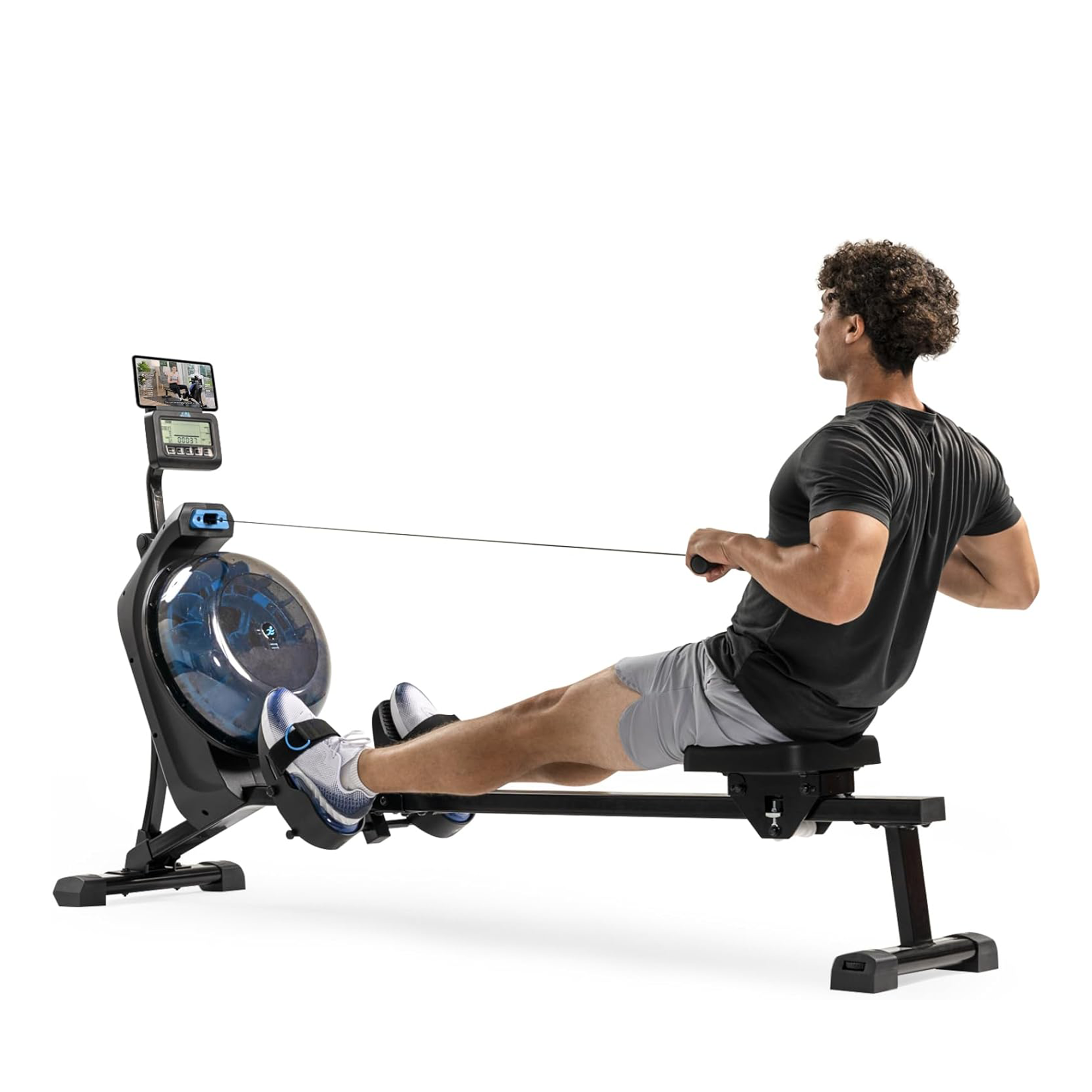
Premium Cardio Conditioning Engines: Because rowing makes up a vital station, deploying a commercial-grade fan-driven platform like the Sunny Health & Fitness Dynamic Air Rower or the fluid tracking of the JLL R300 Electro Magnetic Rower is non-negotiable for low-impact power.

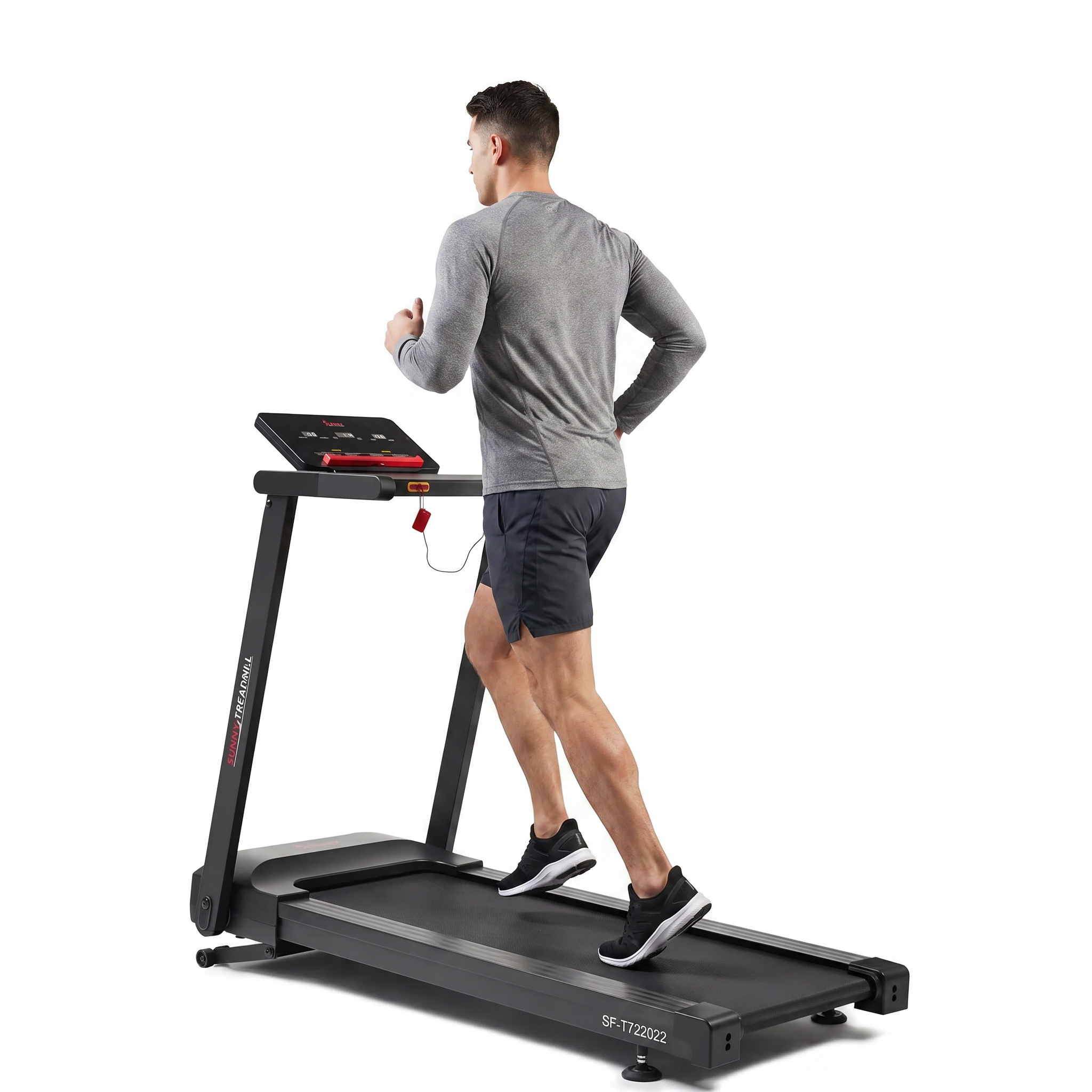
- Endurance Footwear & Treadmills: Since running is half the race, training demands high-mileage prep. High-end JLL Foldable Treadmills are vital for simulating transition splits when British winter weather hits, allowing you to train indoor intervals smoothly.

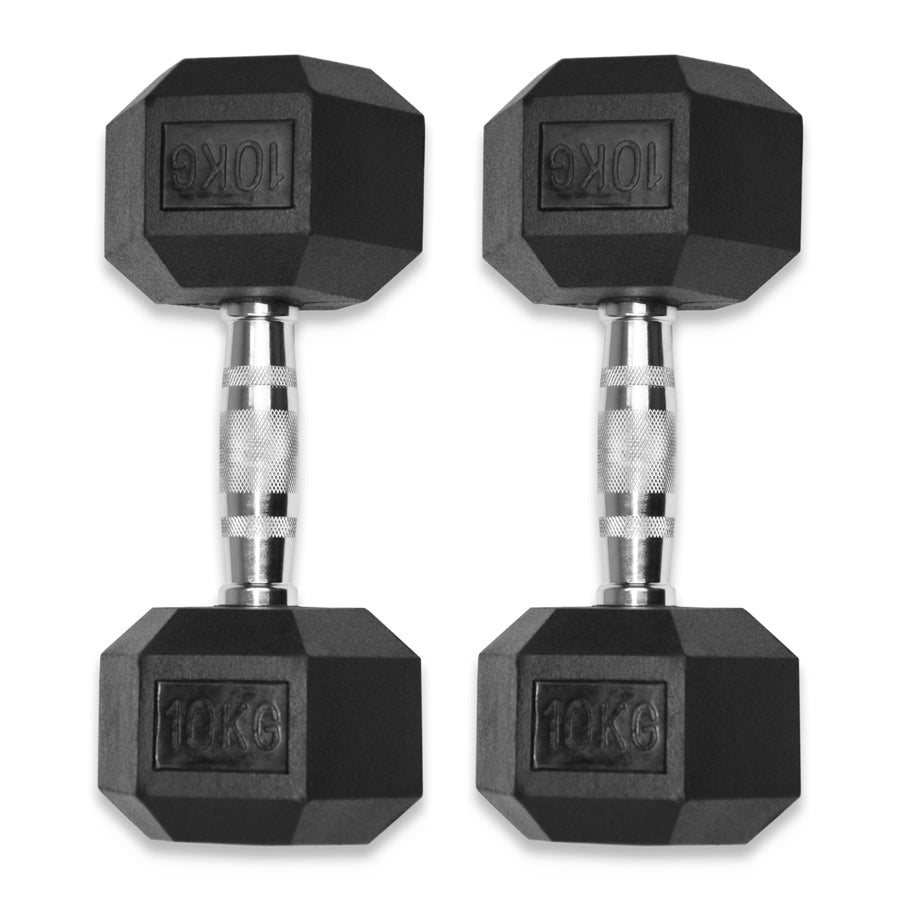
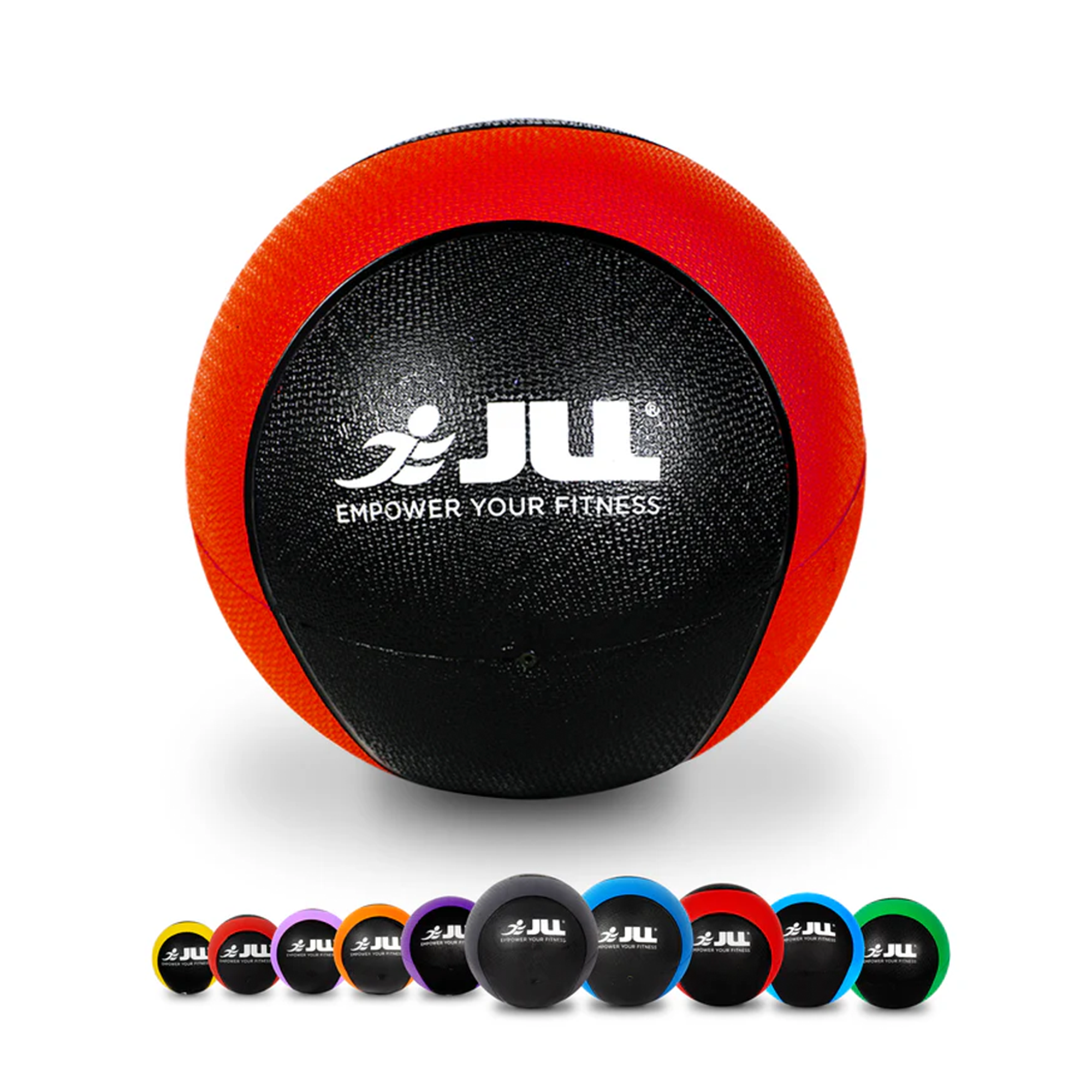
- Heavy Carry Essentials: To build your legs and torso for the load, you will want functional strength gear like medicine balls (for wall balls), heavy sandbags, and durable kettlebells for farmers walks.

The CrossFit Training Box
CrossFit training requires a footprint optimized for vertical power, gymnastics, and raw, explosive weightlifting.
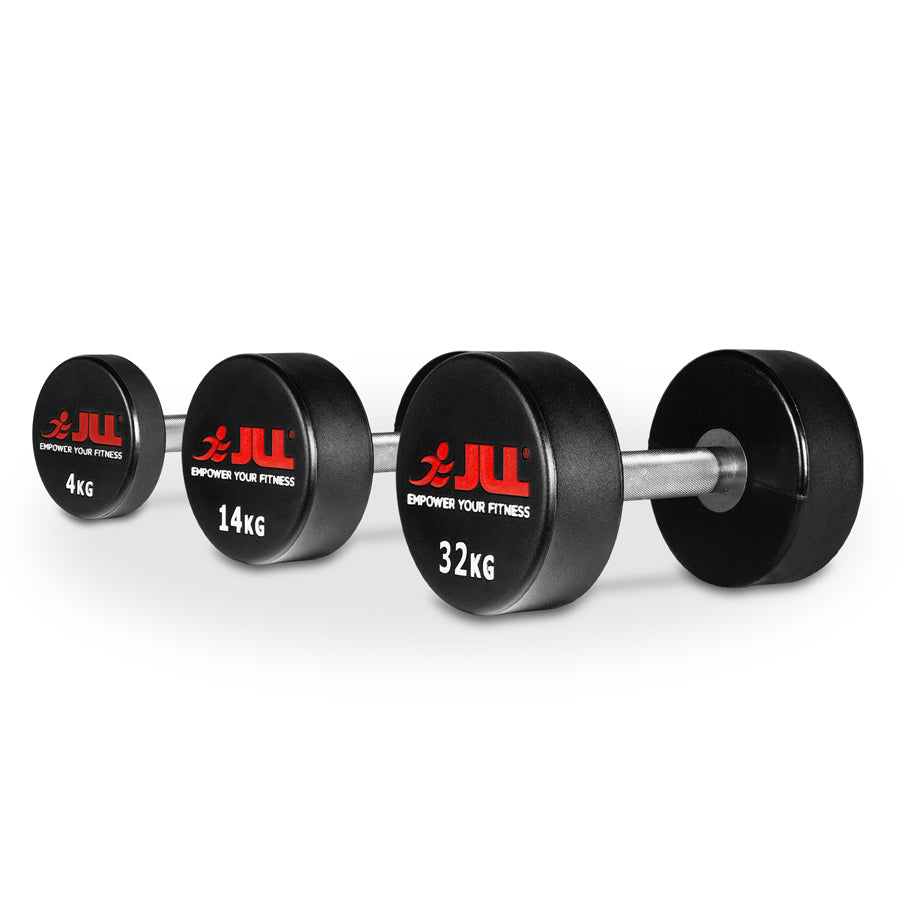
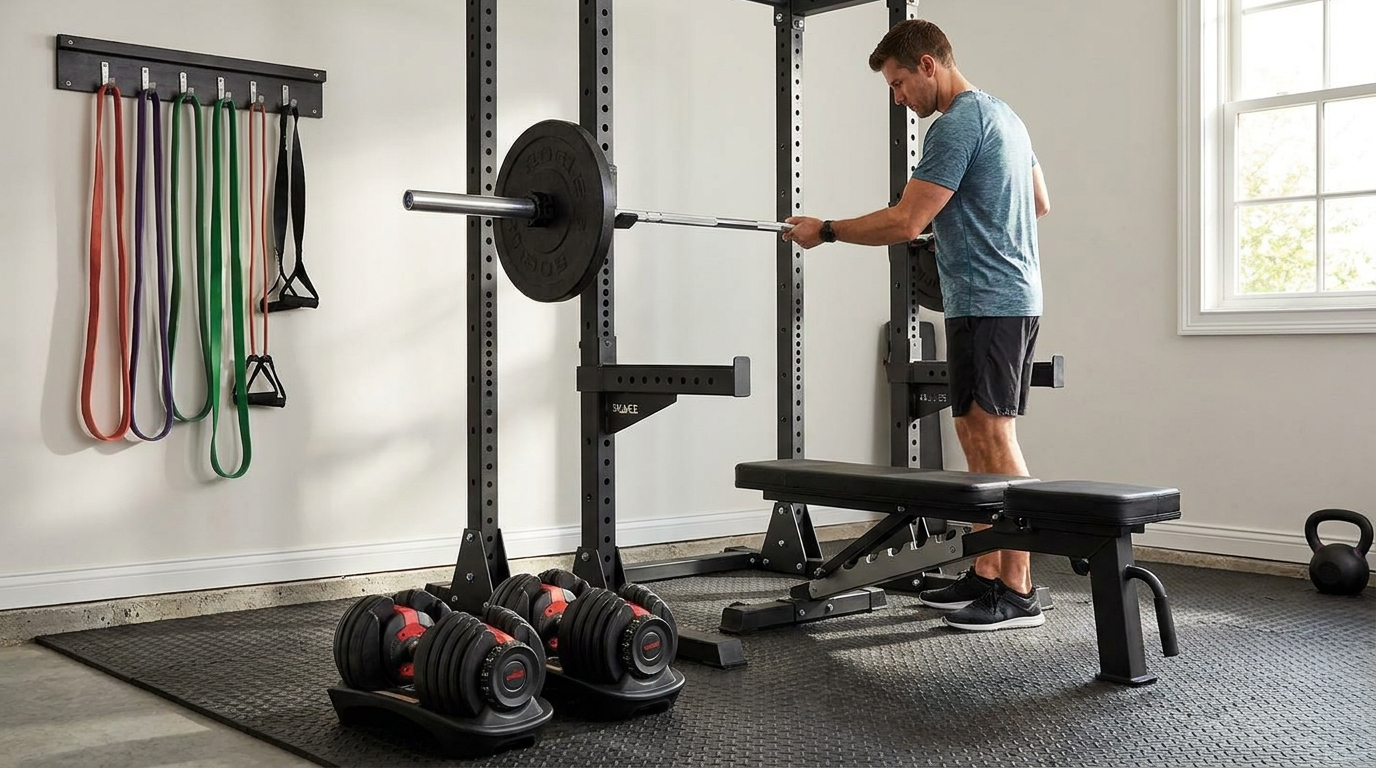
- The Weightlifting Hub: A robust Olympic barbell, a secure squat rack, and heavy-duty, shock-absorbing JLL Olympic Bumper Weight Plates are the core pillars to safely perform drop lifts without cracked floors.

- Gymnastics Rigging: Pull-up bars, gymnastic rings, and climbing ropes are essential for high-skill bodyweight movements.
- High-Intensity Interval Gear: Magnetic resistance conditioning engines like the Foldable Magnetic X-Bike Pro, speed skipping ropes, and plyometric boxes are key for building anaerobic capacity and driving maximum caloric expenditure.

Which One is Right for You?
Choosing between these two fitness ecosystems depends entirely on your athletic background, lifestyle preferences, and long-term physical goals.
Choose Hyrox if:
- You love running, outdoor sports, or obstacle course races (OCRs) but want to build a stronger physique.
- You prefer clear, measurable, and highly predictable performance metrics.
- You want to achieve a major fitness goal without having to spend months learning complex barbell physics.
- You want to train at your own pace at home or in a standard commercial gym facility.
Choose CrossFit if:
- You crave variety and get bored doing the same workout routines week after week.
- You want to develop explosive power, absolute maximum strength, and high-level gymnastics skills.
- You thrive in a highly structured, coach-led group environment with deep daily community camaraderie.
- You want to maximize your overall general physical preparedness for whatever life throws your way.
Can You Do Both? The Power of Hybrid Training
Here is a secret that elite coaches don't always tell you: They complement each other beautifully.
CrossFit acts as an incredible strength foundation for Hyrox. The raw power developed during heavy CrossFit squats makes a Hyrox sled push or sandbag lunge feel significantly lighter. Conversely, Hyrox training provides CrossFit athletes with an unstoppable aerobic base. Spending time building the engine required to run a sustained 8km race ensures a CrossFitter will rarely "redline" or burn out during longer, endurance-focused WODs.
If you want the best of both worlds, embrace a structured hybrid training program. Use CrossFit methodologies in the off-season to build muscle and explosive power, then transition into a high volume, cardio-heavy Hyrox training block 6 to 8 weeks out from a race. The result? A truly versatile, strong, and enduring human machine.
Smart Home Training: The SunnyFit® App Ecosystem
No matter which path you choose, staying consistent with hyrox training at home or home-based functional workouts can be a structural challenge. That is where the SunnyFit® App comes in as a game-changing addition to your routine. Available for JLL Fitness cardio equipment, this 100% free home fitness platform removes the guesswork from building your engine.
With over 2,000 on-demand workout video courses led by certified trainers, the app serves as your digital training partner. If you are training for a Hyrox event, you can jump into specialized rowing or treadmill courses, or leverage the World Tour Mode to run and row through real-world virtual maps.
For days when you want to focus on a targeted muscle endurance workout or basic resistance training, the app features hundreds of equipment-free bodyweight and resistance band routines. Its built-in metrics and community challenges keep you accountable, helping you systematically track your output as you scale your fitness.
- Download for iOS on the Apple App Store
- Download for Android on the Google Play Store

Frequently Asked Questions (FAQ)
Is Hyrox harder than CrossFit?
Neither is inherently "harder"; they test completely different energy systems. Hyrox is an unrelenting endurance challenge—a non-stop, high-volume aerobic trial lasting anywhere from 60 to 90+ minutes. CrossFit, on the other hand, tests anaerobic peak power, high skill under fatigue, and maximum strength weightlifting. CrossFit will push your heart rate to its absolute absolute limit quickly, while Hyrox is a prolonged structural grind.
Do I need a gym membership to train for Hyrox?
Not necessarily. You can easily manage hyrox training at home if you have access to a few core pieces of kit, such as a treadmill or running route, a home rowing machine, and heavy sandbags or kettlebells. Many athletes successfully build a robust engine using home fitness gear and bodyweight conditioning.
Why does CrossFit have a higher risk of injury compared to Hyrox?
CrossFit involves complex, explosive movements performed under high cardiovascular fatigue—such as Olympic lifting and advanced gymnastics. If technical form breaks down during these movements, the risk of injury can increase. Hyrox utilizes lower-skill, locked-in biomechanical patterns (like running, rowing, and sled pushing) which carry less inherent danger if your form slips when tired.
Can a beginner jump straight into a Hyrox race?
Yes! Hyrox has an open division and boasts a 98% finish rate because there are no complex movements or time cut-offs. Because it features simple human movements, it is highly accessible to all fitness levels, allowing beginners to complete the race safely at their own pace.




Leave a comment
All comments are moderated before being published.
This site is protected by hCaptcha and the hCaptcha Privacy Policy and Terms of Service apply.