

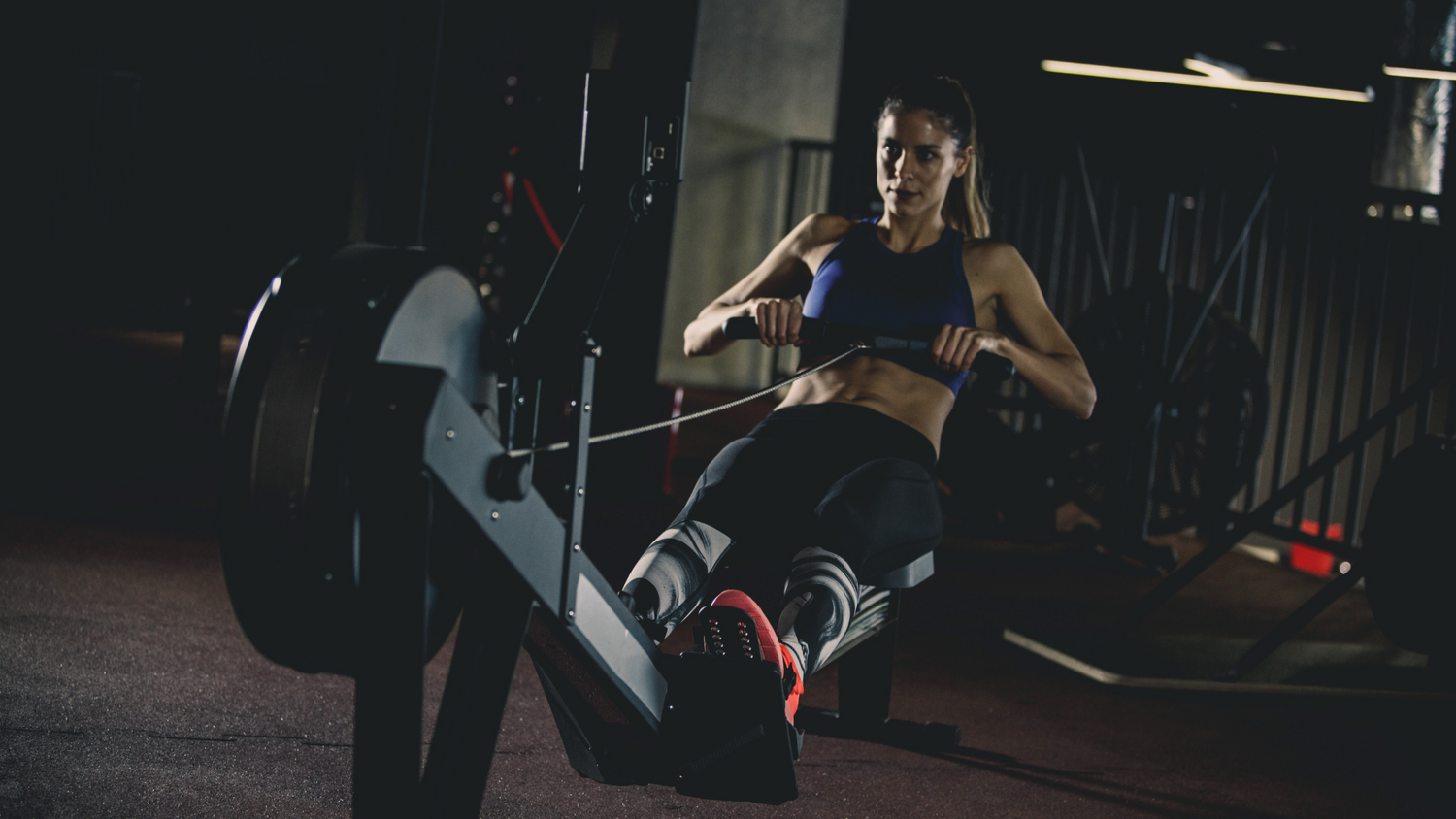
🔁 The Rowing Stroke: 4 Key Phases
A proper rowing stroke flows smoothly through these four phases:
1. Catch
What it is: The starting position
Key points:
• Shins vertical
• Arms straight
• Back slightly forward (hinging from the hips)
• Core engaged, not slouched
🎯 Think: poised and ready to push, like a loaded spring.
2. Drive
What it is: The power phase
Key points:
• Push with your legs first, not your arms
• Keep arms straight as legs extend
• Once legs are nearly straight, open your hips and lean back slightly
• Finish by pulling the handle to your chest (below the ribs)
🔑 Order matters: legs ➡️ hips ➡️ arms.

3. Finish
What it is: The end of the drive
Key points:
• Lean back slightly (about 10–15°)
• Handle at the bottom of your chest
• Elbows tucked in, wrists flat
• Relax shoulders
4. Recovery
What it is: Returning to the start
Key points:
• Extend arms forward first
• Then hinge forward at the hips
• Let knees bend and slide forward last
• Keep movements controlled and fluid
⏱️ Think: slow recovery, fast drive. The rhythm should be about 1:2.
🛠️ Common Mistakes to Avoid
❌ Using arms too early – Legs should do most of the work.
❌ Overreaching at the catch – Don’t hyperextend shoulders or round the back.
❌ Leaning back too far at the finish – It wastes energy and can strain your lower back.
❌ Jerky movements – Rowing is a continuous, fluid motion.
✅ Pro Tips to Improve Technique
🎥 Record yourself rowing to spot mistakes.
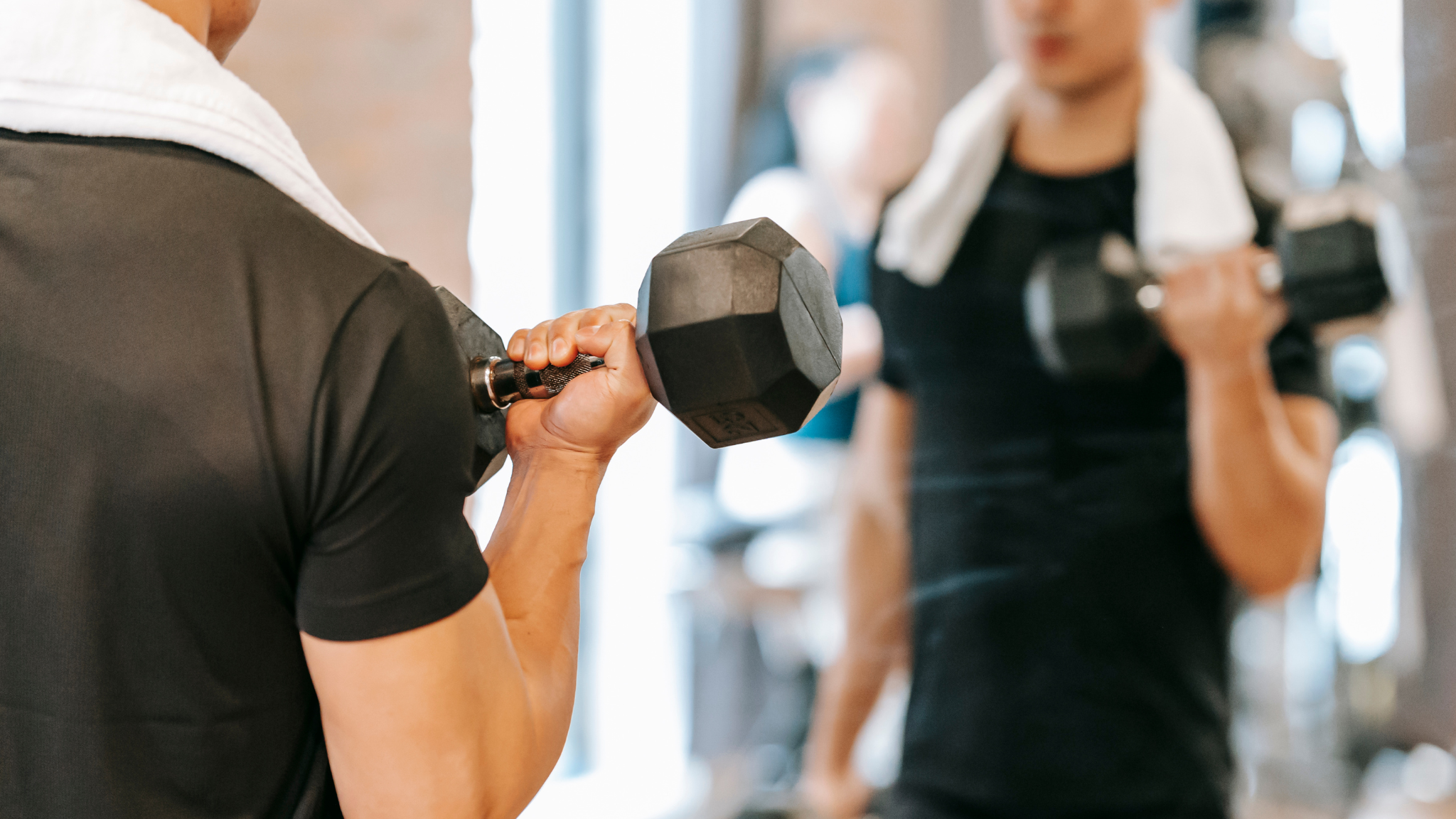
🪞 Use a mirror or form coach app for real-time feedback.
🧘 Strengthen your core and flexibility to support posture and hip hinge.
⌛ Practice slow-motion drills to nail the movement pattern.
📈 Why Better Form Matters
More efficient workouts (burn more calories, build more strength)
Reduces risk of back, shoulder and knee injuries
Better endurance and consistency over time




Leave a comment
All comments are moderated before being published.
This site is protected by hCaptcha and the hCaptcha Privacy Policy and Terms of Service apply.