


Starting a fitness journey is one of the most rewarding decisions you can make, but finding time to travel to a commercial facility can be a major hurdle. Between monthly gym memberships, crowded equipment, and commute times, working out at home has become an increasingly popular alternative.
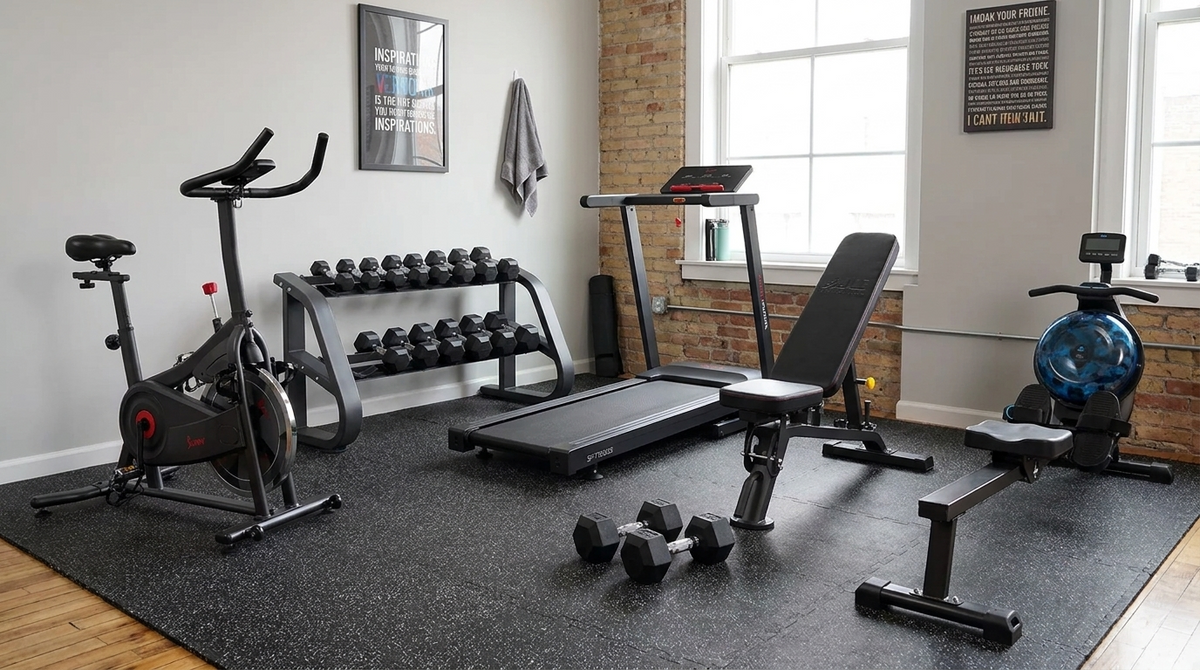
Whether you want to build a home gym in a spare bedroom, transform your garage gym, or maximise a small corner of your living room, having the right setup can completely transform your routine.
Here is everything you need to know about choosing the best home gym equipment to meet your goals, fit your budget, and match your available floor space.
Step 1: Assess Your Fitness Goals & Floor Space
Before buying any exercise equipment, consider what you want to achieve. Are you aiming for weight loss, building muscle, or simply improving your overall fitness level?
- For Strength & Muscle: Prioritise free weights, weight training gear, and compound movement setups.
- For Endurance & Cardio: Focus on cardio machines that maximise calories burned per training session.
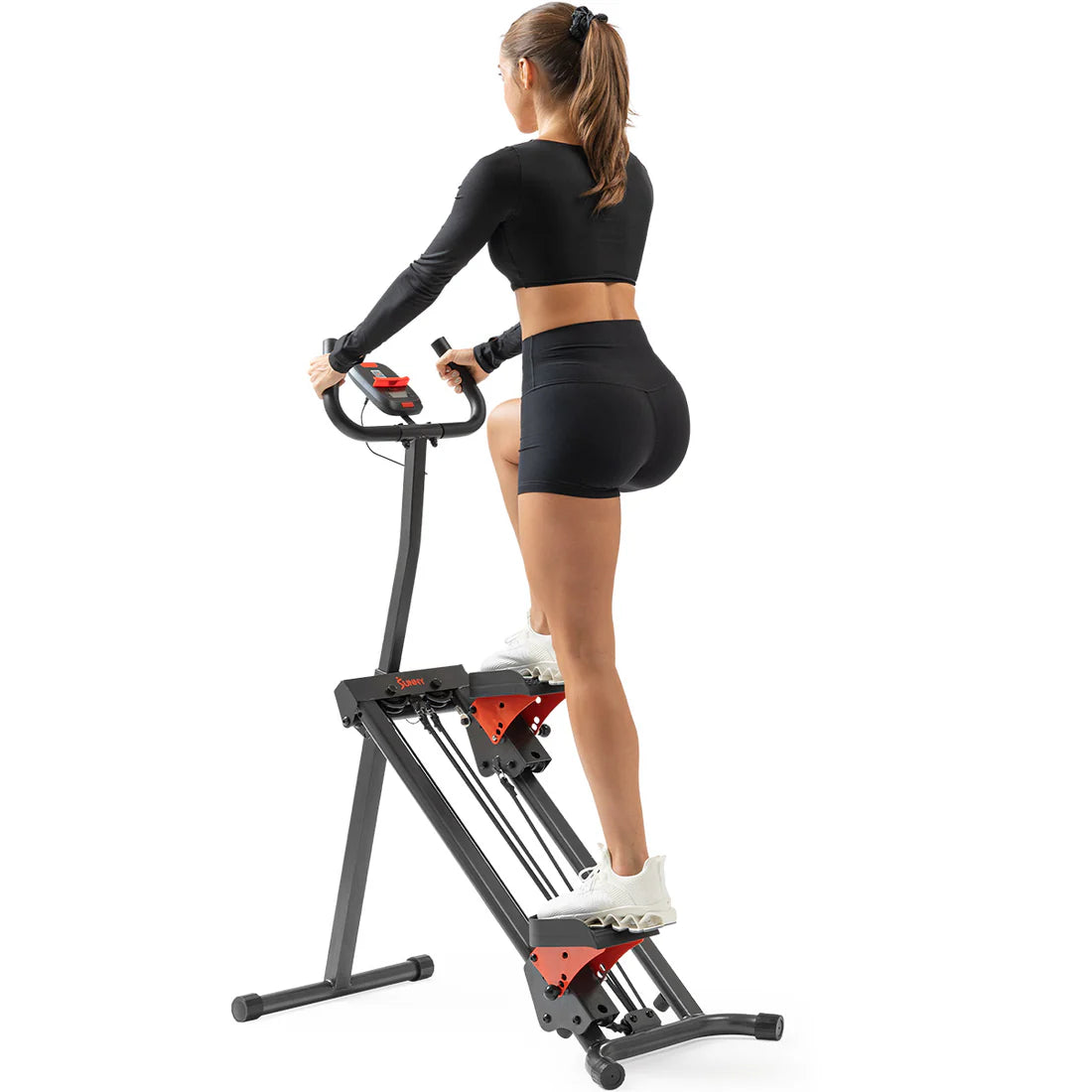
- For Small Spaces: Look into a compact home gym design with versatile, easily storable at home workout equipment.
Step 2: Lay the Right Foundation
Before bringing heavy iron into your home, you need to protect your floors and reduce noise.
Investing in the best gym flooring (such as high-density rubber tiles or stall mats) is essential. High-quality flooring protects your subfloor during heavy drops, prevents equipment from sliding, and creates a clean, dedicated zone for your at home gym.

HIGH-DENSITY RUBBER GYM FLOORING
Durable, shock-absorbing rubber tiles designed to absorb noise and protect floors.
Step 3: Core Strength & Resistance Equipment
If your goal is building strength and muscle hypertrophy, resistance training equipment is non-negotiable.
1. Free Weights & Barbells
A solid set of free weights—like adjustable dumbbells or kettlebells—is a foundation for any home gym setup. To take your weight training seriously, pair them with the best barbell for home gym training, which allows you to perform foundational lifts like deadlifts, squats, and overhead presses safely.
2. Weight Benches & Bench Pressing
To train heavy at home safely, pair your barbells and dumbbells with a robust weight bench. An adjustable bench allows you to comfortably master incline bench pressing, seated overhead shoulder presses, and dumbbell rows.
3. Bodyweight Training
A simple pull up bar is one of the most cost-effective home gym essentials you can buy. It takes up virtually zero floor space while offering incredible utility for upper-body pull exercises and core training.

RUBBER HEX DUMBBELLS
Durable fixed-weight dumbbells available in various weight options to suit any workout level.

OLYMPIC BARBELLS
Heavy-duty barbells ideal for deadlifts, squatting, and progressive overload.

ADJUSTABLE WEIGHT BENCHES
Versatile flat and incline benches engineered for dumbbell pressing and strength work.
Step 4: Choose the Right Cardio Machines
Cardio plays a massive role in improving heart health and accelerating weight loss. Depending on your preferences and space, here is some of the best home exercise equipment for cardiovascular conditioning:
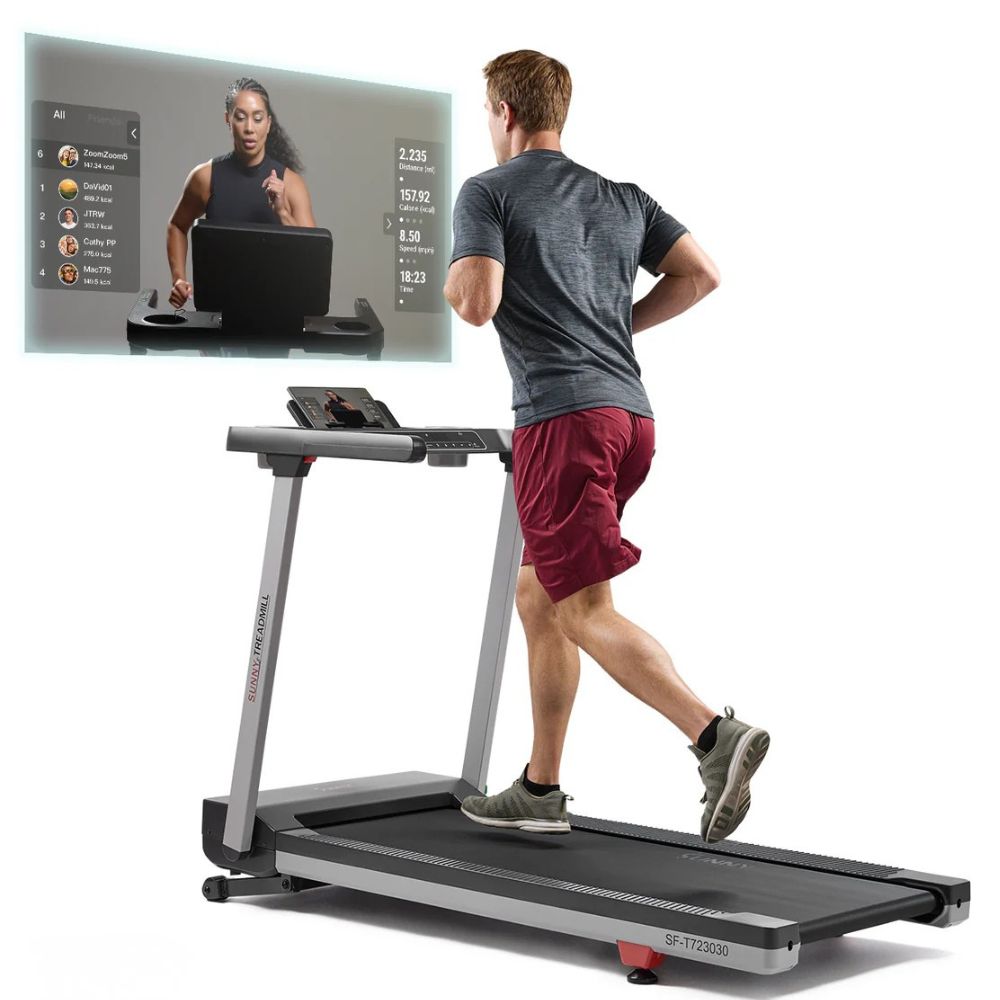
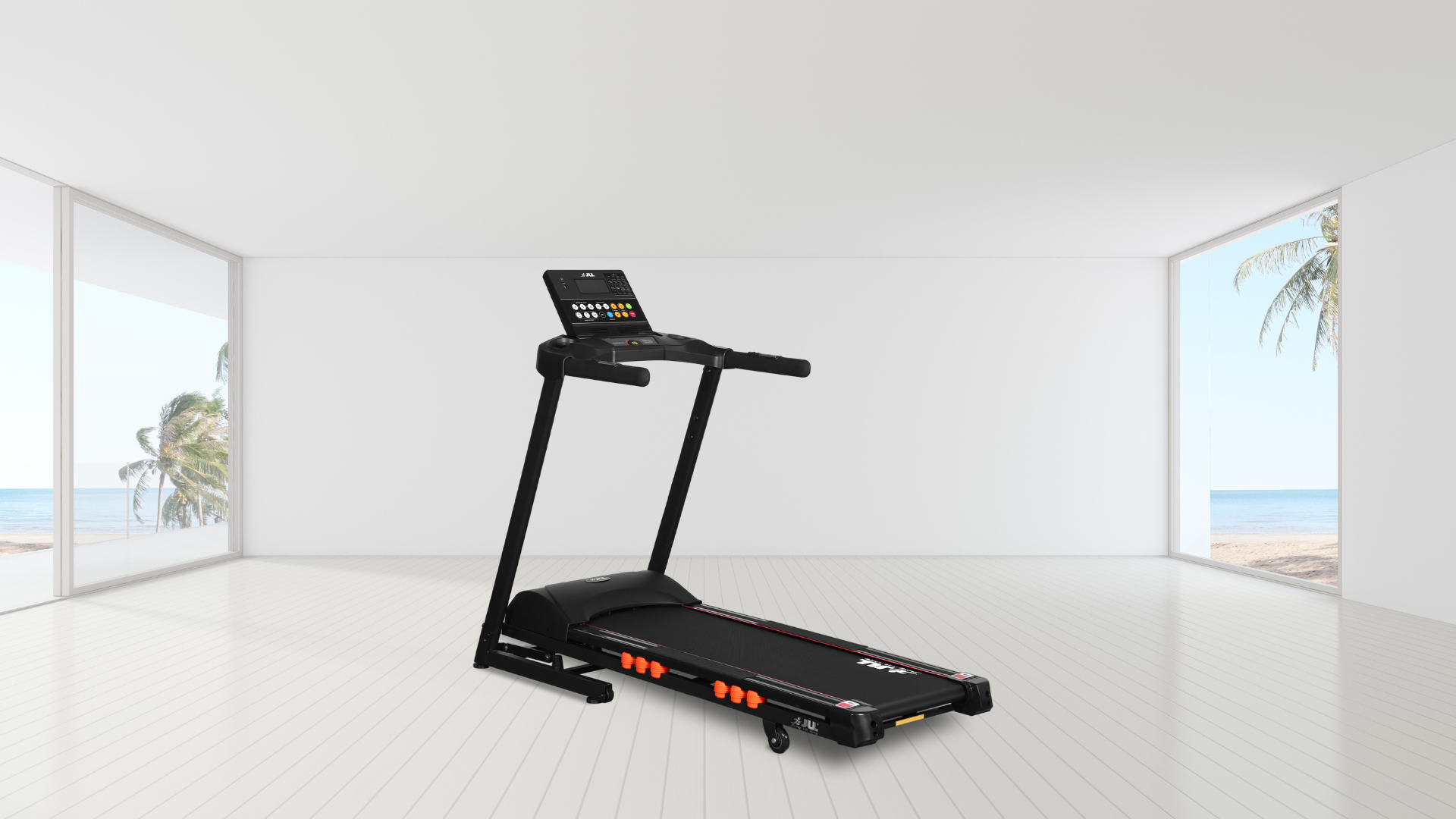
- Treadmill with Incline: Perfect for walking, running, or high-incline hiking to boost total calories burned.
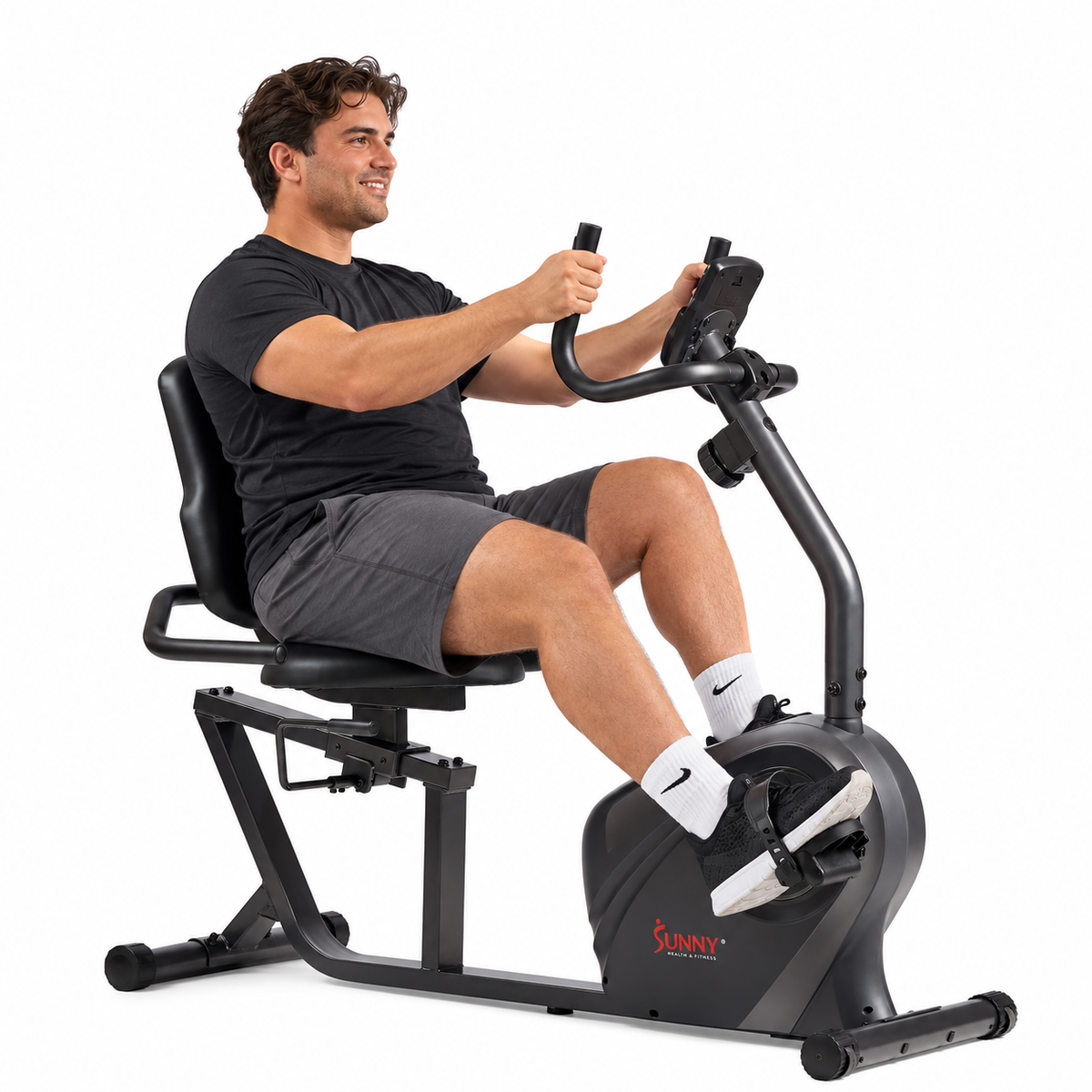
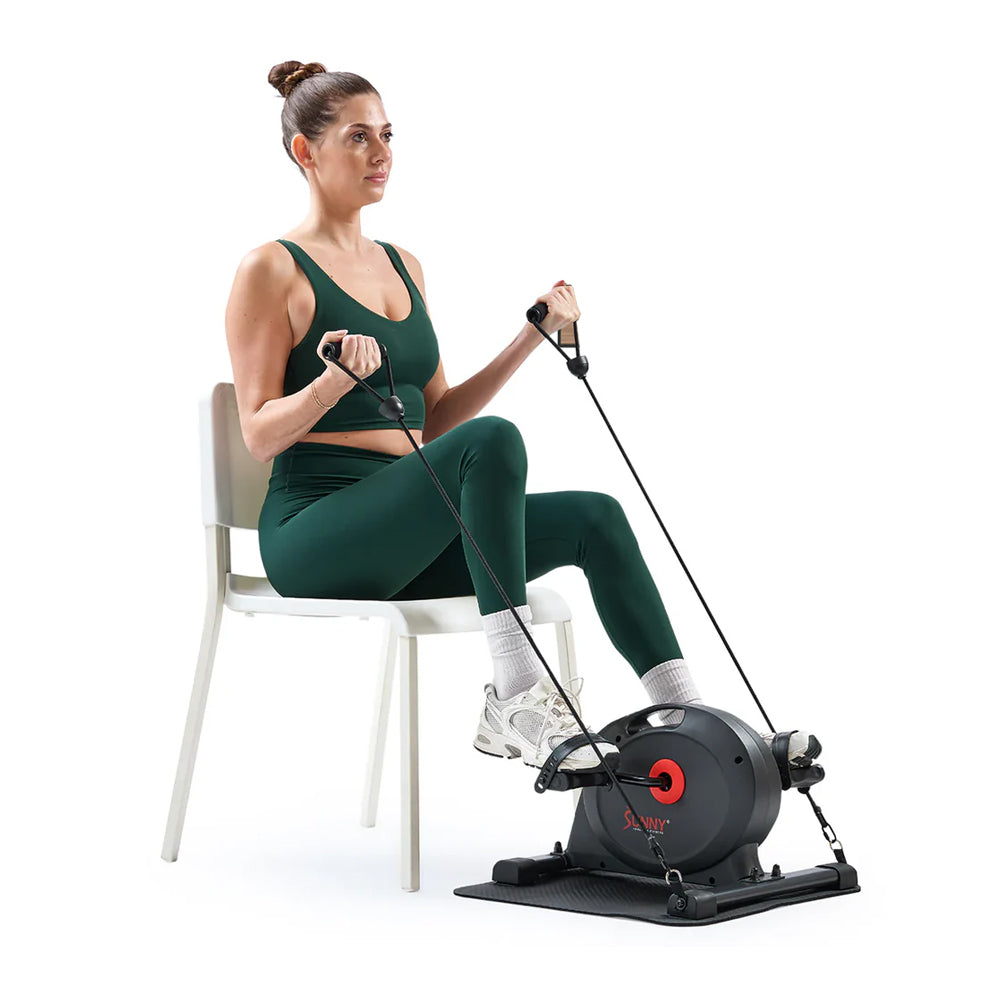
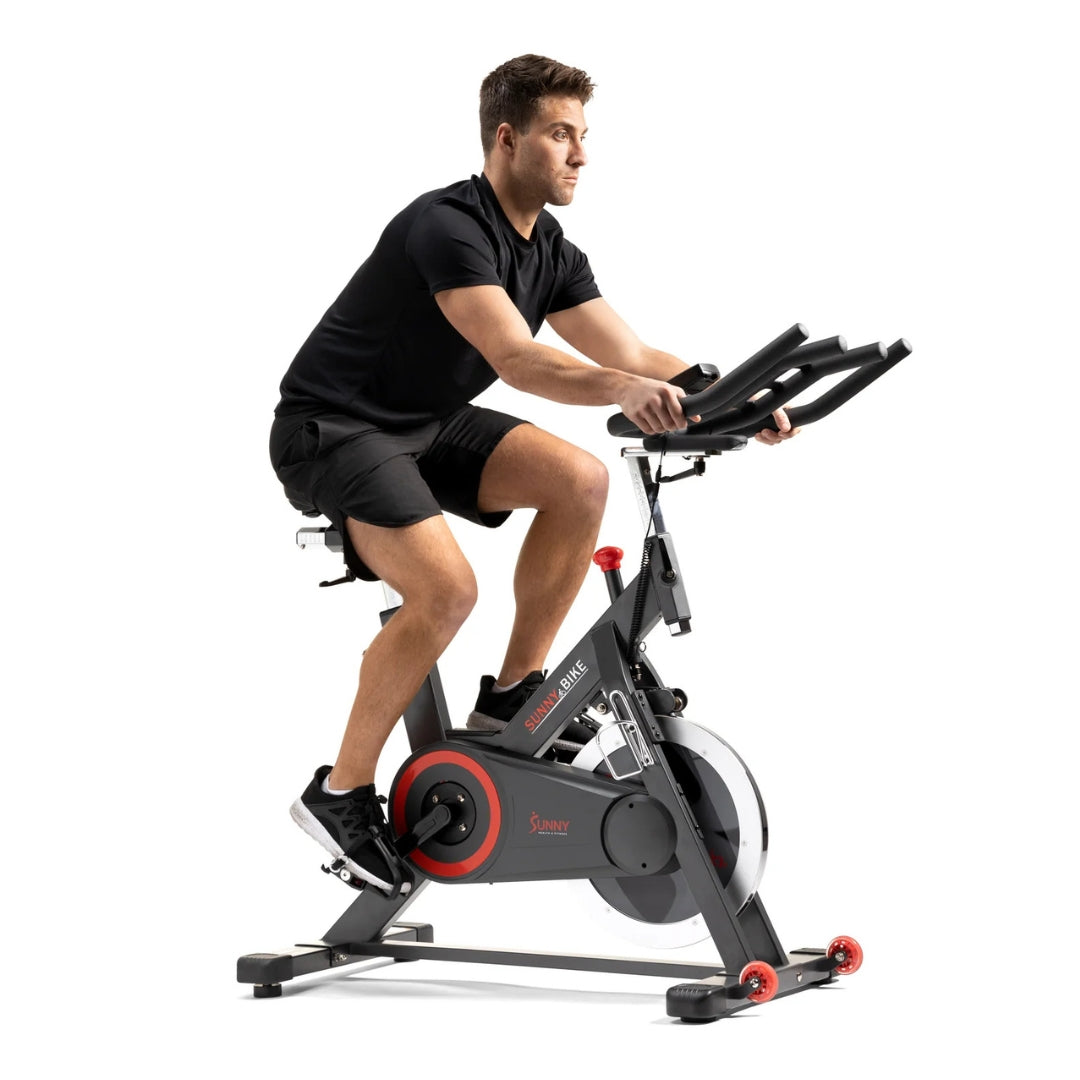
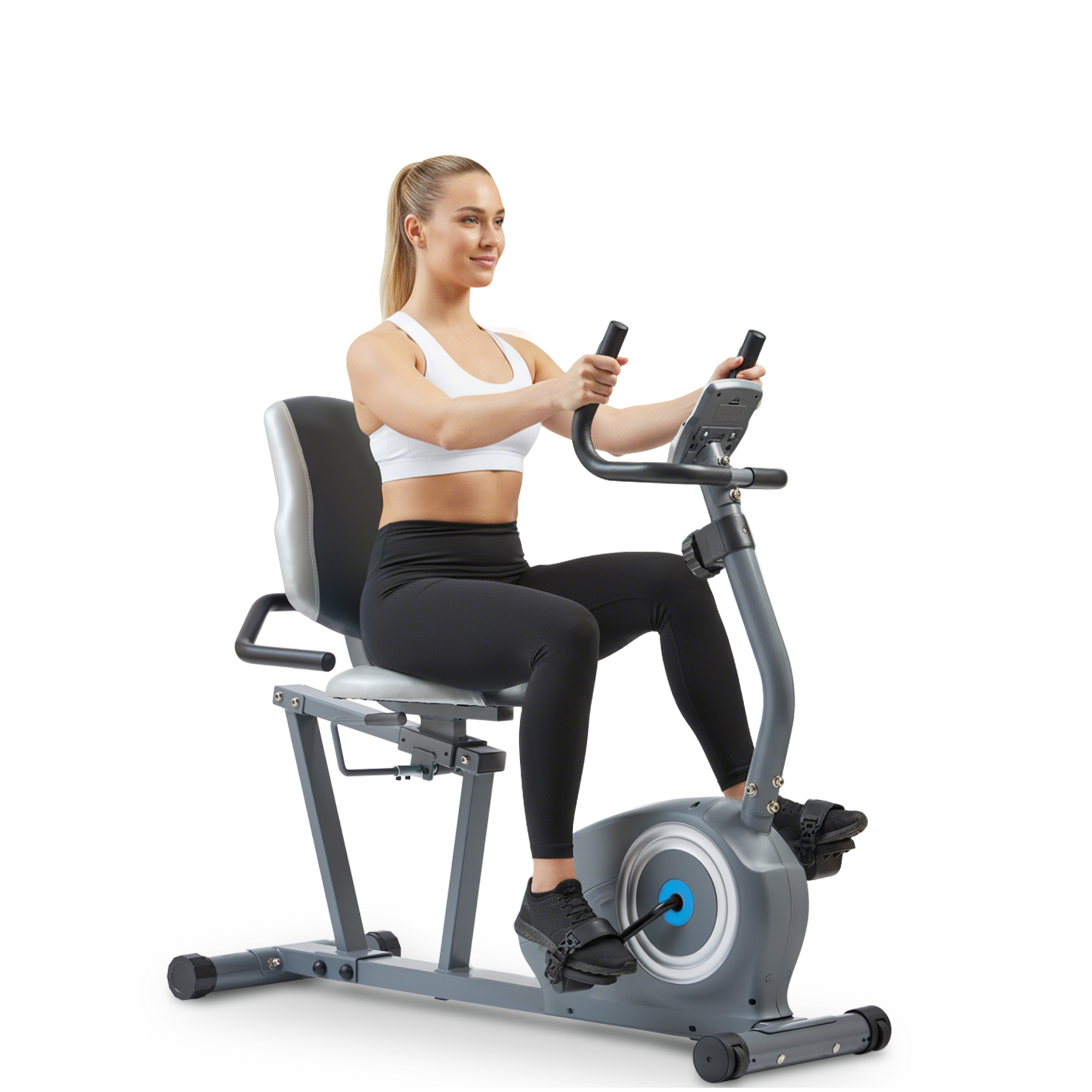
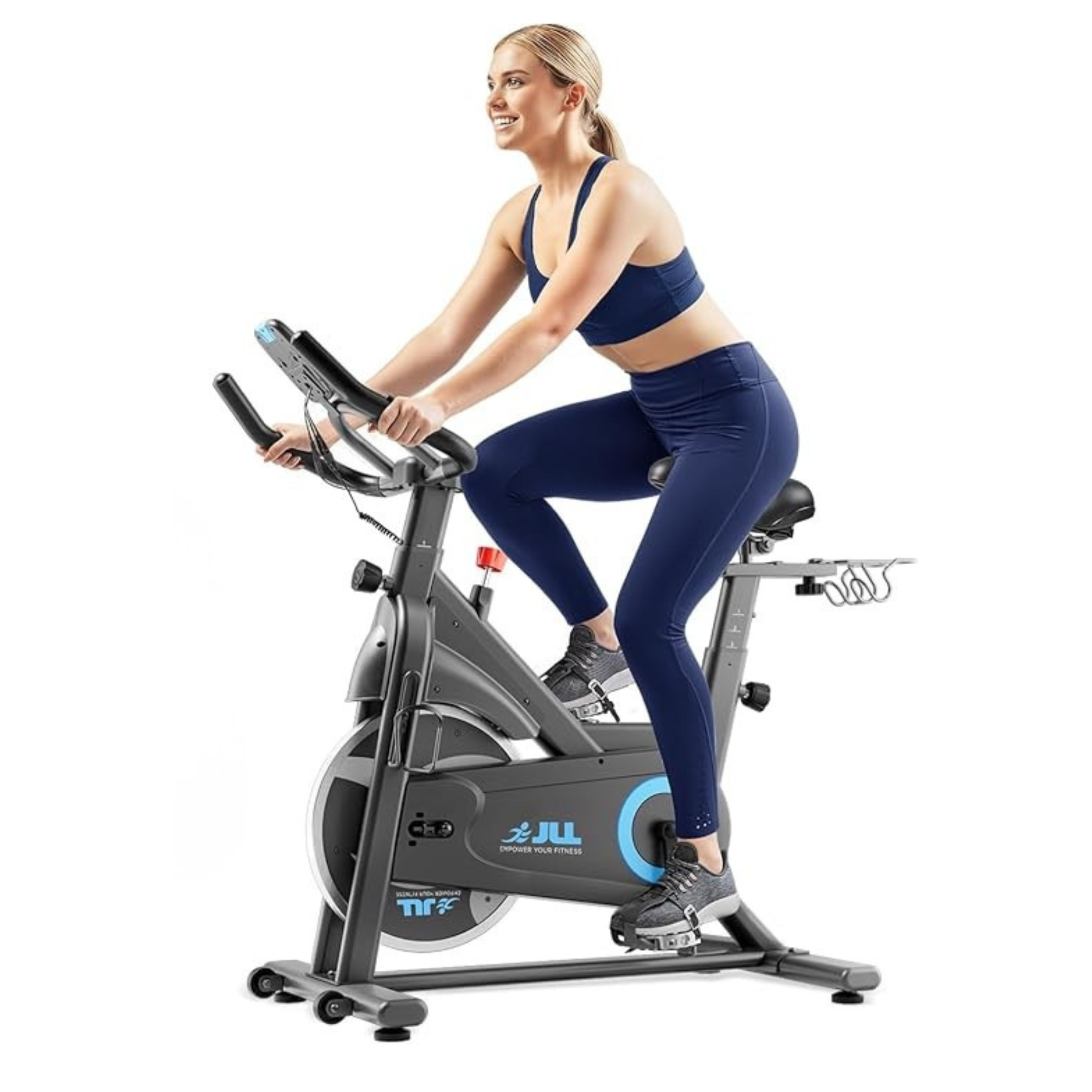
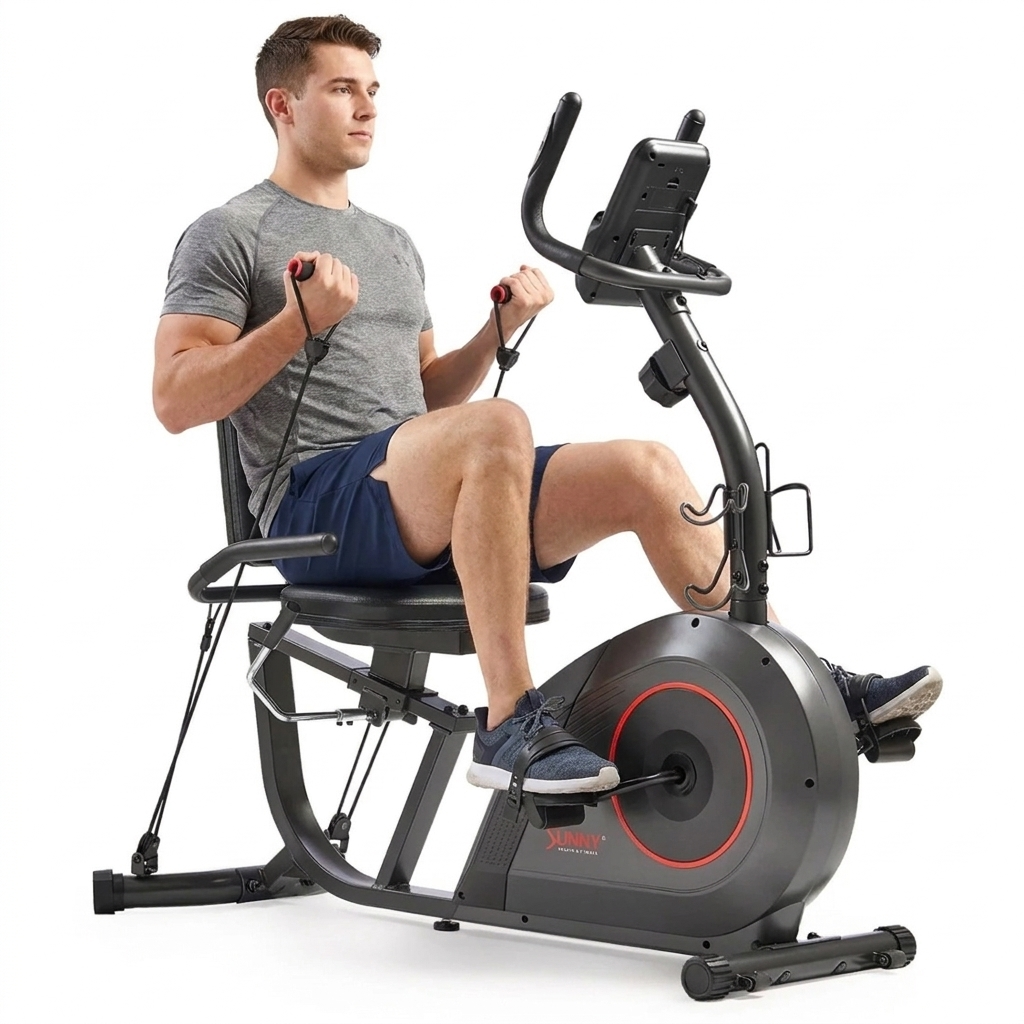
- Exercise Bike & Stationary Bike: An exercise bike (or standard stationary bike) provides a low-impact, high-intensity cardio option that easily fits into small spaces.
- Rowing Machine: Delivers a full-body workout combining endurance and strength endurance with minimal joint impact.
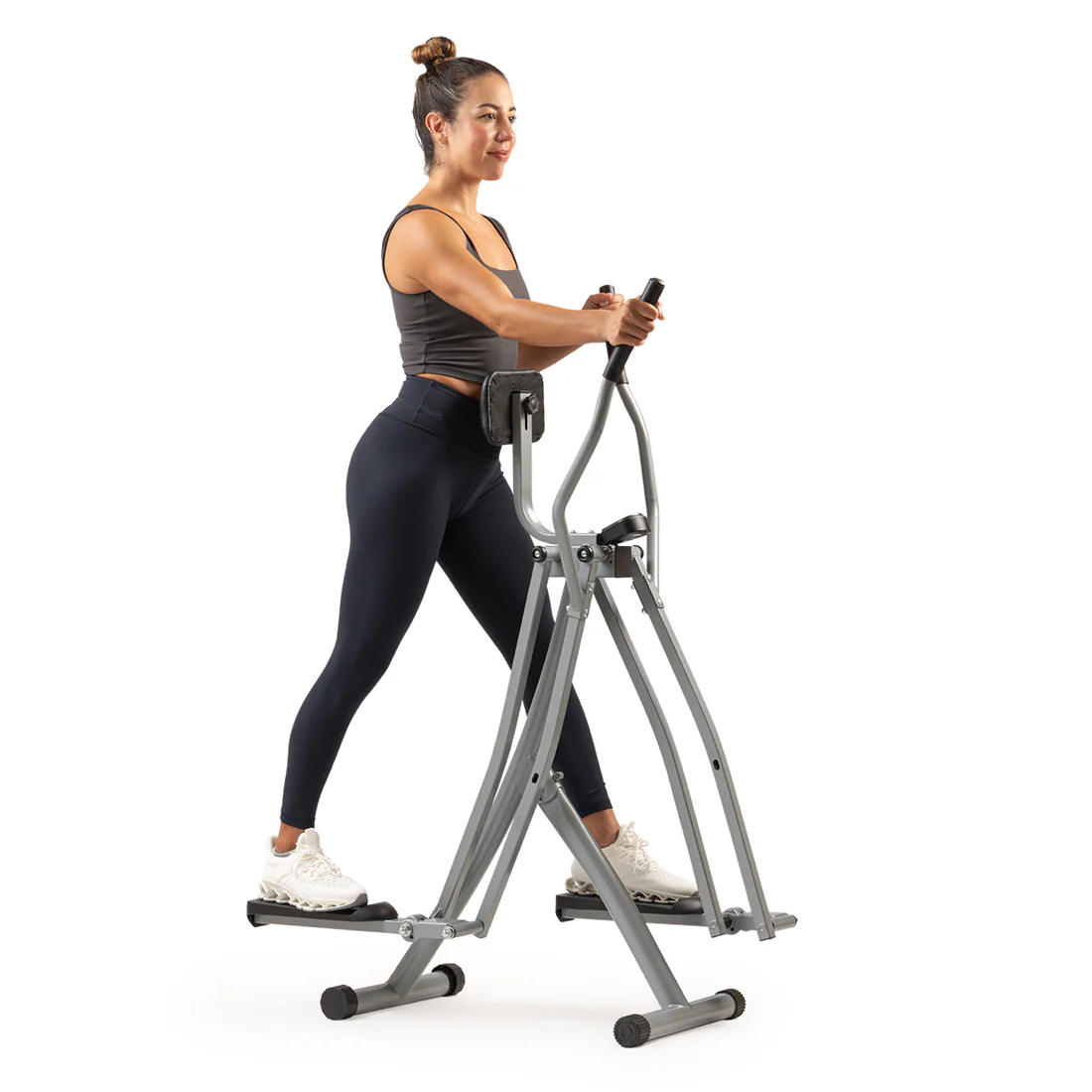
- Elliptical Machine for Home: Great for smooth, low-impact cardio that is easy on the knees.
- Skipping Rope: The ultimate portable, budget-friendly cardio tool that requires almost no room to store.

SMART EXERCISE BIKES
Smooth, low-impact indoor stationary bikes compatible with virtual training apps.

INCLINE FOLDING TREADMILLS
Compact treadmills with incline controls designed to boost calorie burn in home spaces.

FULL-BODY ROWING MACHINES
Smooth magnetic or water rowers built for quiet, full-body cardiovascular training.
Step 5: Designing a Compact Home Gym
Not everyone has a two-car garage to spare. If you are setting up in a bedroom or living room, versatility is key:
- Opt for multi-functional exercise equipment for home use, like adjustable dumbbells instead of a full rack of fixed weights.
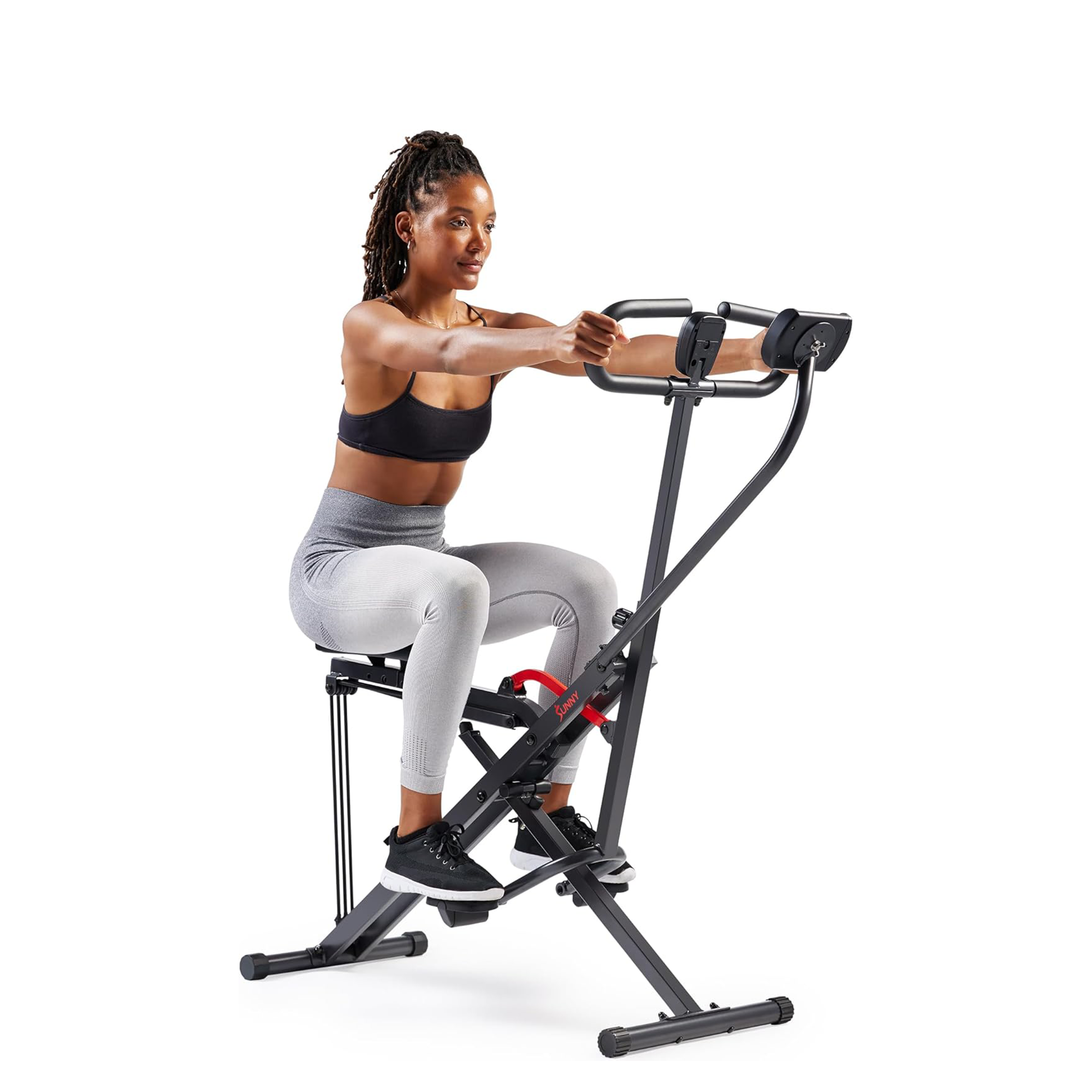
- Choose folding equipment, such as a foldable bench or a compact rowing machine that can stand vertically when not in use.
- Keep small accessories—like your skipping rope, resistance bands, and foam rollers—stored neatly in bins to keep your living space uncluttered.
Summary Checklist: Home Gym Essentials
Home Gym Setup FAQs
Final Thoughts
Ultimately, investing in a home gym equipment suited to your lifestyle eliminates excuses and makes staying consistent effortless. Whether you start with just a couple of dumbbells and a skipping rope or go all-out on a full garage gym build, every training session brings you one step closer to reaching your health and fitness goals.




Leave a comment
All comments are moderated before being published.
This site is protected by hCaptcha and the hCaptcha Privacy Policy and Terms of Service apply.