


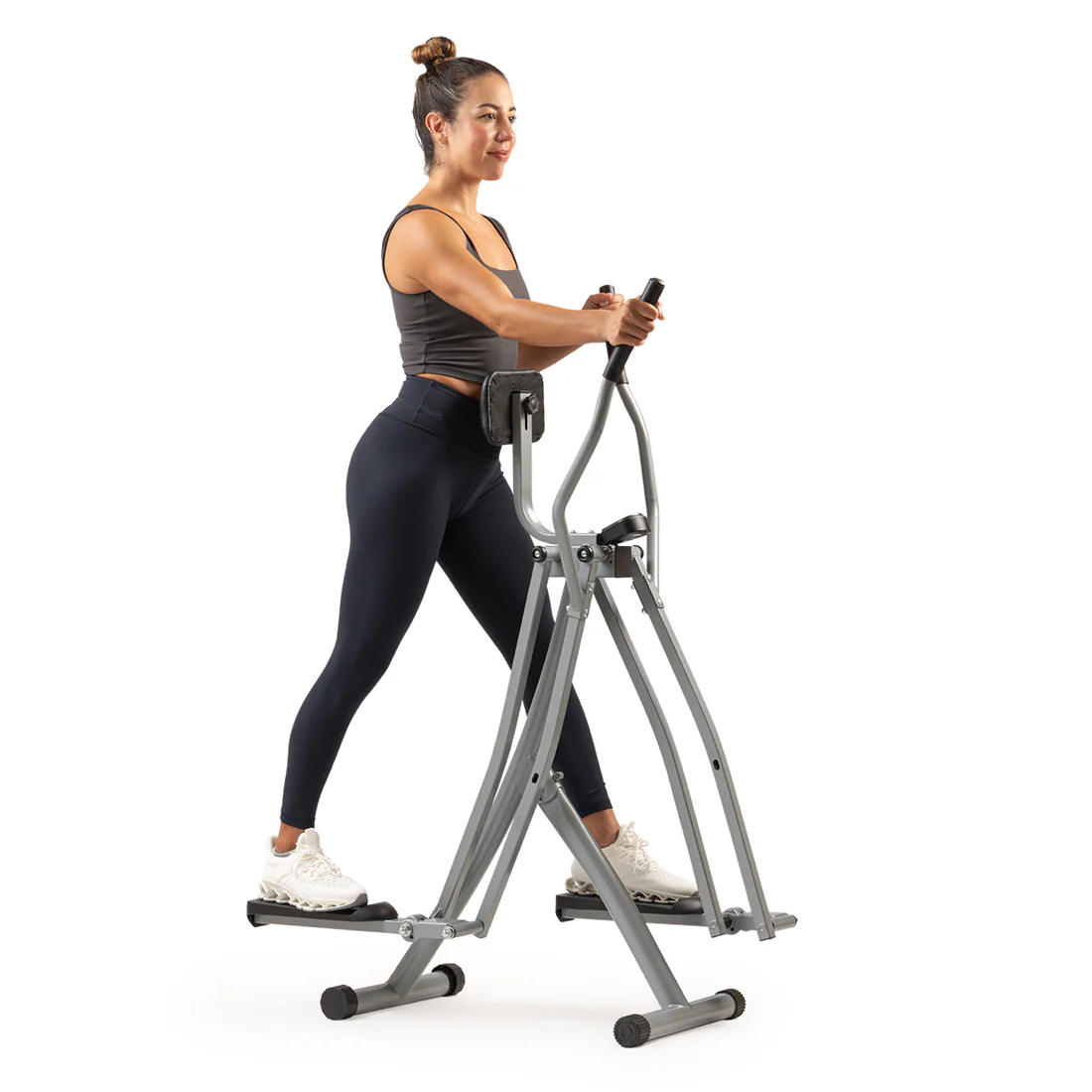
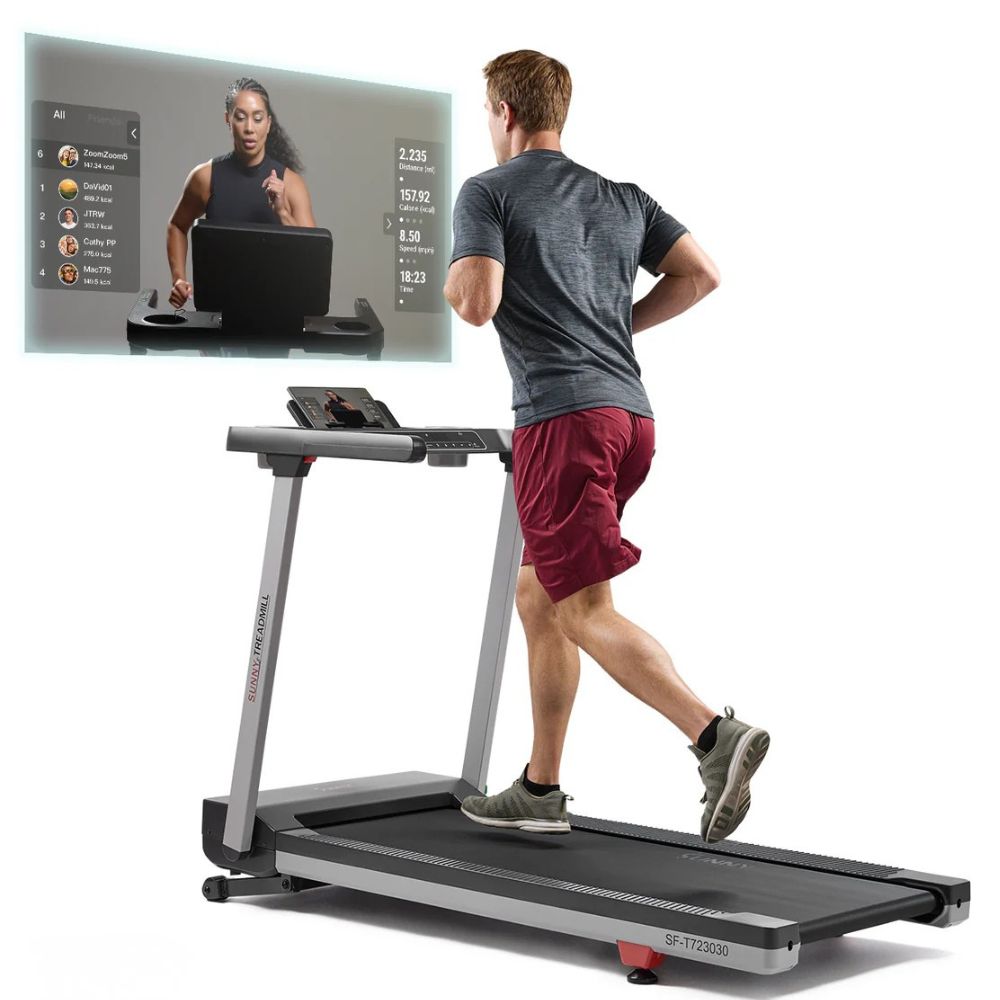
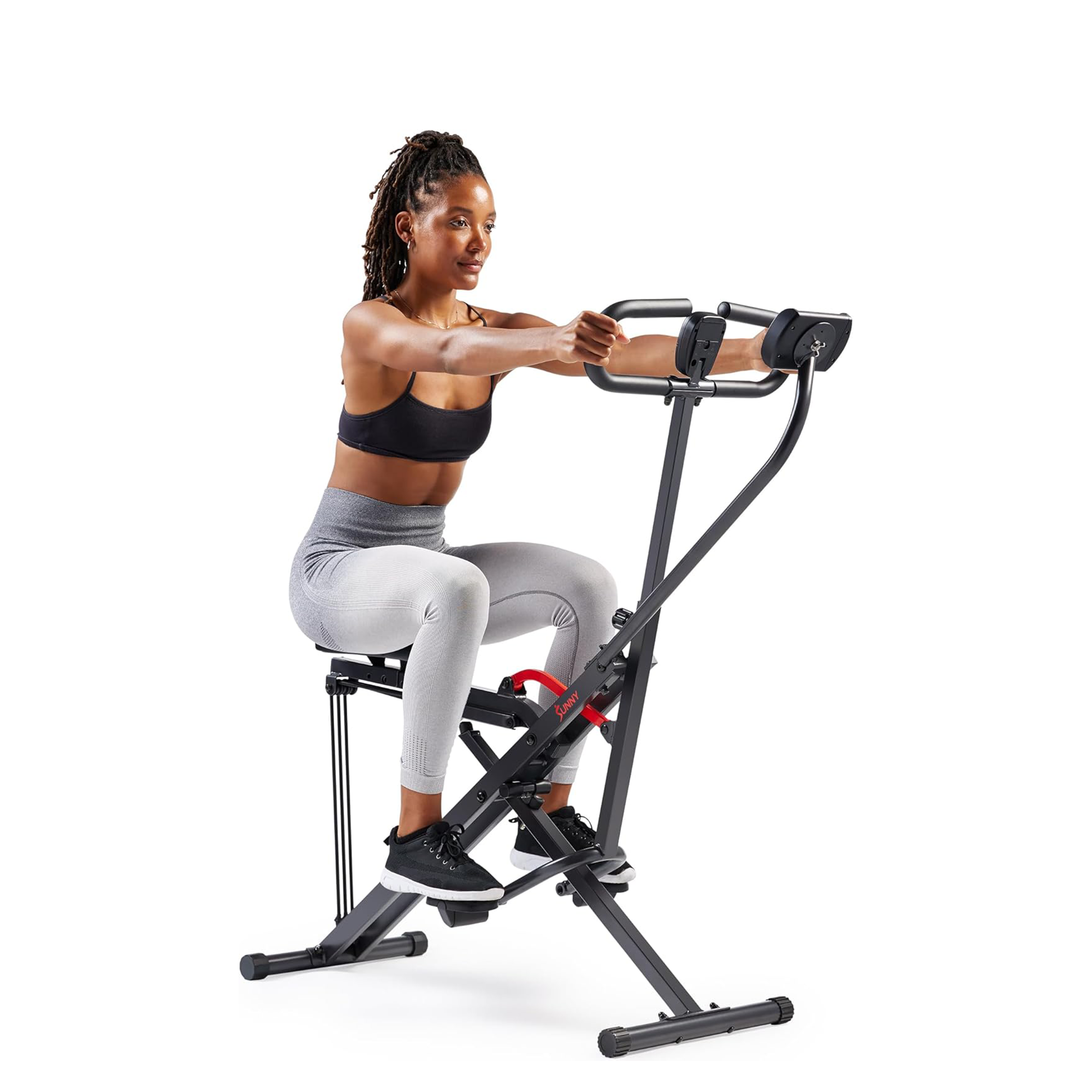
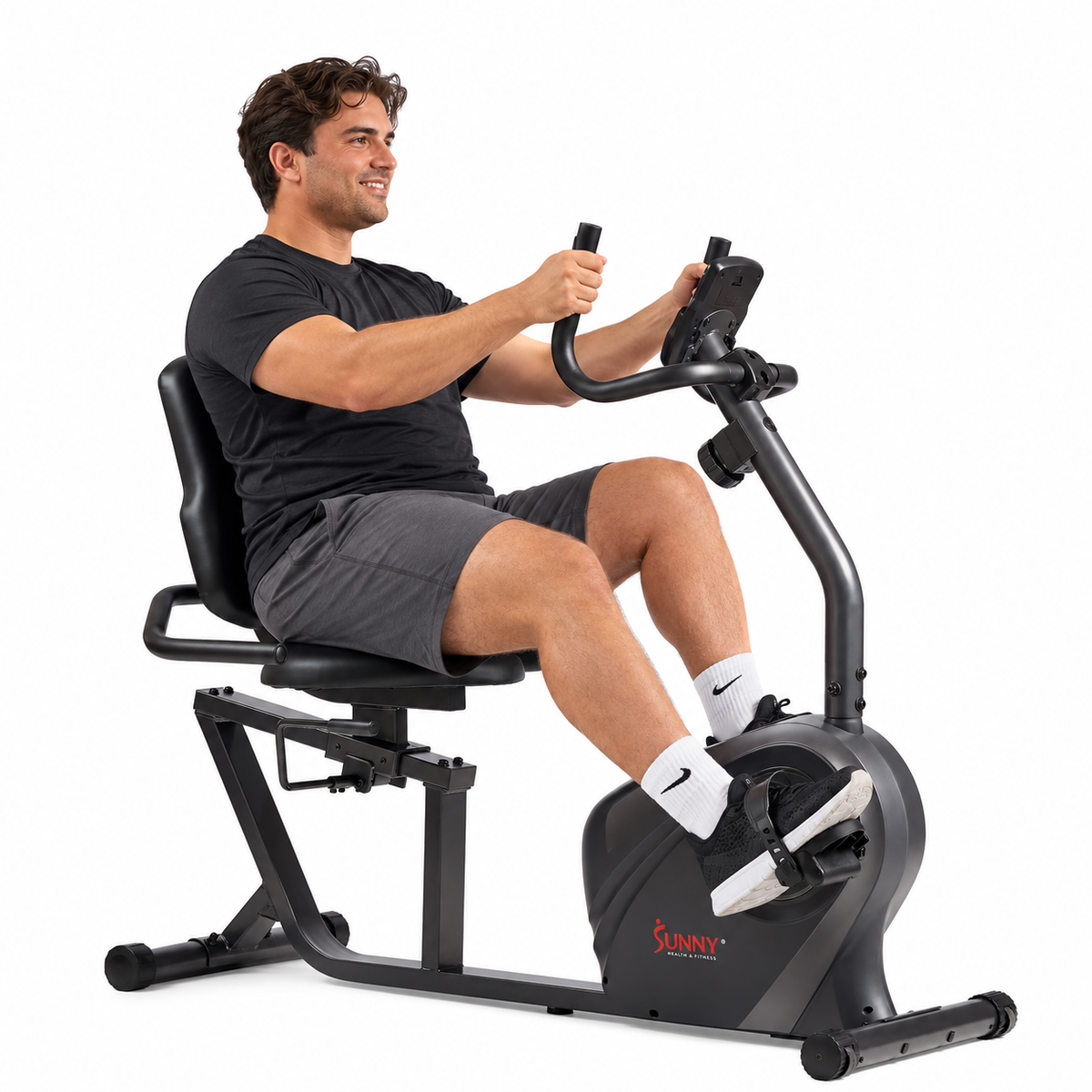
If your home gym already has a trusty bike, treadmill or rower, adding the right weights is the single best move to boost results without stealing more floor space. Strength training not only builds muscle and tone, it improves cardiovascular efficiency, raises resting metabolic rate and reduces injury risk — all welcome benefits for people who love cardio machines but want faster, longer-lasting results. This guide breaks down the best types of weights for home use (from fixed dumbbells and selectorised sets to kettlebells and bumper plates), helps you match purchases to your goals and budget, and offers sample setups for compact spaces. I analysed top reviews and hands-on tests from leading gear experts — then distilled that into practical, cardio-friendly recommendations you can use today. Whether you want a minimalist dumbbell pair to pair with HIIT on the bike or a full kit to support strength phases between endurance blocks, this article shows what to buy, how much you’ll need to progress, and how to programme weights into your cardio routine.
Why weights belong in a cardio-oriented home gym
If your main love is cardio — spinning, running, rowing — it’s tempting to think you don’t need free weights. That’s a myth. Adding weights to a cardio-first programme multiplies benefits: it protects joints by strengthening stabiliser muscles, accelerates fat loss by increasing lean mass (and therefore resting metabolic rate), and improves economy — so your run, cycle or row feels easier at the same pace. Studies and mainstream fitness testing consistently show that combining resistance and cardio yields better body-composition outcomes than cardio alone, and experts in equipment testing highlight the complementarity of small weight kits with home cardio systems. GQ+1
For people who already spend time on bikes, treadmills or ellipticals, the goal is efficiency: choose weights that allow short strength sessions, circuit rounds and mobility work without time-consuming set-changes. That’s why adjustable dumbbells and a couple of kettlebells are popular in home gym reviews — they give quick progression and overlap perfectly with HIIT circuits and AMRAPs (as featured in many testers’ routines). Tom's Guide+1
Practical takeaway: if you want to keep improving aerobic fitness while staying time-efficient, add 1–2 pairs of dumbbells (or an adjustable set), a 12–16kg kettlebell for swings and single-limb work, and a small set of plates or a medicine ball for core conditioning. This combo enables short strength sessions after cardio or paired circuits, and it’s exactly what top gear guides recommend for space-conscious users. Decathlon+1
Types of weights for home gyms — pros, cons and best uses
When you search the market you’ll see five practical categories: fixed dumbbells, adjustable/selecteur dumbbells, kettlebells, plates + barbell (Olympic/standard), and speciality items (vests, sandbags). Each has a role if you pair them with cardio work.
Fixed dumbbells (rubber hex / cast)
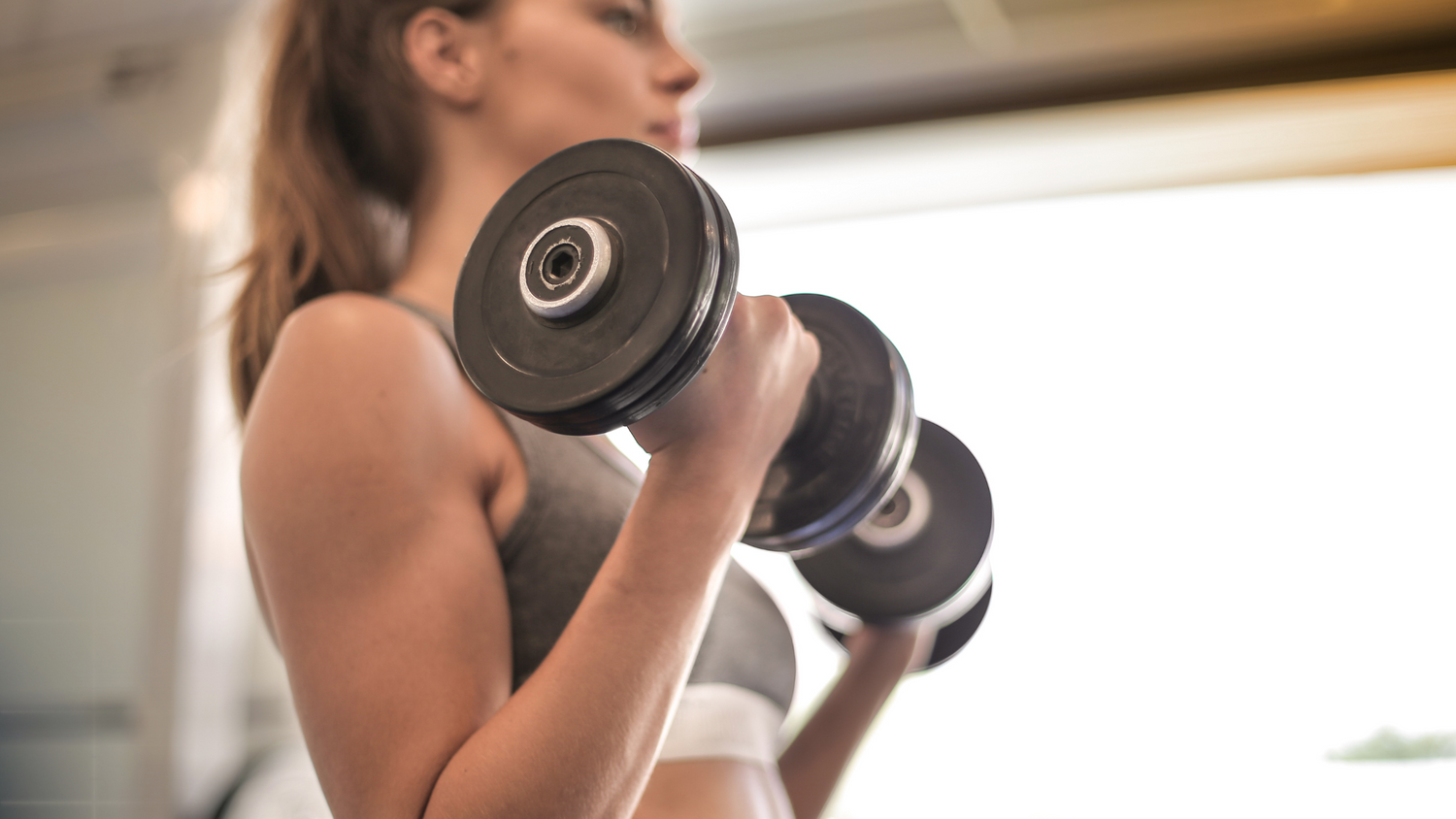
Reliable, durable and simple: fixed dumbbells are ideal if you have space and want a no-fuss setup. They’re comfortable for pressing and unilateral work and are often recommended by equipment review sites for home gyms due to their longevity. The downside is storage — a full set takes space and cost adds up quickly. Top product testers often recommend rubber hex or urethane-coated options for floor protection and quiet use. BarBend+1
Adjustable/selecteur dumbbells (PowerBlock, Bowflex style)
The space saver. Selectorised sets swap weight quickly and suit circuit-style training (perfect for cardio hybrids). Reviews praise the convenience but note trade-offs: some mechanisms limit awkward cleans or heavy drops, and build quality differs across brands. If you prioritise minimal footprint and fast transitions between weights — useful if you’re alternating sprints on a treadmill with strength rounds — an adjustable pair is often the best value. Tom's Guide+1
Kettlebells
Great for dynamic, cardio-friendly strength work (swings, snatches, goblet squats). Cast iron bells provide the best feel; competition bells have uniform sizing across weights. Review testing shows kettlebells are especially useful for metabolic conditioning and posterior-chain development — excellent complements to cycling or rowing days. Men's Fitness+1
Plates & Olympic bar
If heavy lifting (deadlifts, squats) is your priority, plates and a barbell are essential. Bumper plates are preferable if you plan to drop weights (in a garage gym); iron plates are cheaper but louder. For many cardio-oriented home gyms, a basic 15–20kg barbells + small plate set covers strength phases without taking the footprint of a full power rack. York Fitness
Speciality: vests, sandbags, medicine balls
Lightweight, versatile accessories that add resistance to bodyweight circuits, hill sprints or treadmill walking. They’re cheap, portable, and add progressive overload in cardio drills without necessarily needing heavy plates.

Choosing weights by goals & training style
Match your kit to the results you want — that saves money and space. Here’s a fast, goal-centred guide.
Fat loss & conditioning (cardio-lovers)
Aim for moderate loads used in higher-rep circuits (8–20 reps), short rest and mixed modalities. Good kit: adjustable dumbbells (to quickly step up reps), a 12–16kg kettlebell, and a medicine ball. That lets you build metabolic circuits (e.g. 30s bike sprint + 8-12 goblet squats) that are time-efficient and progressive. Experts note that adjustable sets are a top choice for this audience since they keep transitions fast during HIIT. Tom's Guide+1
Strength & hypertrophy
If you want meaningful strength gains, heavier fixed dumbbells (or a barbell + plates) are preferable for heavier, low-rep sets. Recommended: a barbell with 100–150kg total plates (depending on your level) or fixed dumbbells up to the weights you need for compound lifts. Many reviewers show that heavy lifters prefer fixed hex/round dumbbells for durability and better load feel. BarBend
Functional training & sport-specific conditioning
Kettlebells and sandbags are excellent for dynamic unilateral and rotational movement, which transfers well to sporting performance. High-quality kettlebell reviews consistently recommend keeping at least two sizes (e.g., 12kg and 16–20kg) for progression and variety. The Independent
How to pick actual weights
- Beginners: pair of 4–8kg for women / 8–12kg for men for high-rep conditioning; add a heavier set for compound moves as you progress.
- Intermediate: adjustable set covering 2–25kg + kettlebell 12–16kg.
- Advanced: fixed hex/round set up to 32kg+ OR adjustable systems that go to 50kg+. Product guides show adjustable models vary widely in top load — match the spec to your progression plan. T3+1
Unique insight: If you’re cardio-first, periodise — run an 8-week cardio-dominant block, then a 6-week strength block using heavier, low-rep sets. This approach reduces overtraining risk and improves both endurance and strength over months, rather than trying to chase both every week.
Space, budget and progression planning
Space and budget often decide what you buy more than brand affinity. Here’s a pragmatic breakdown.
Small space solutions
If you use a treadmill, bike or rower daily and have limited storage, selectorised dumbbells are the smart choice: compact, quick to change and ideal for circuiting between cardio intervals. A single adjustable pair + one kettlebell can support nearly every program most cardio fans will need. Testing outlets frequently list selectorised sets as the top pick for apartment gyms for that reason. Tom's Guide+1
Budget tiers
- Entry (≤£150–£300): A few fixed dumbbells (select essential weights), a basic kettlebell and a yoga mat. Good for beginners.
- Mid (£300–£800): One adjustable dumbbell system (or several pairs of fixed dbs), kettlebell pair, small plate set. This is the sweet spot for people pairing cardio work.
- Premium (£800+): High-end adjustable sets that reach 50kg+, full fixed sets, bumper plates and barbell if you want heavy lifting. Reviewers note selectorised premium models can be expensive but save huge storage and add convenience. Tom's Guide+1
Progression planning — a simple 6-month roadmap
Month 0–2: Build conditioning with circuits (3x weekly) — 2–3 sets, 12–20 reps using light-moderate dumbbells.
Month 3–4: Increase resistance, add lower-rep compound lifts (8–12 reps) — upgrade adjustable topweight or add a heavier fixed dumbbell.
Month 5–6: Introduce heavier sets or barbell work for strength (5–8 reps) if space and budget permit.
Storage & multipurpose thinking
Buy storage that doubles as a bench or step to save space. Many small-home reviews recommend stackable stands or wall hooks for kettlebells and a compact dumbbell tray. Brands and retailers such as Decathlon and specialist UK sellers often show value sets that balance footprint and durability. Decathlon+1
Recommended combos & starter kits (Beginner → Advanced)
Below are grounded, cardio-friendly kit recommendations based on reviewer patterns and real-world usability.
Minimalist cardio-focused kit (for treadmill/bike users who want quick strength work)
- One pair of selectorised adjustable dumbbells (2–25kg range) or two pairs of fixed dumbbells (e.g., 6kg & 12kg).
- Kettlebell: 12kg (women) / 16kg (men) for swings and conditioning.
This covers metabolic conditioning circuits, core work and progressive overload without bulky storage. Selectors are widely recommended in buyer guides for apartment users. Tom's Guide+1
Balanced home-gym kit (for mixed cardio + strength)
- Adjustable dumbbells to 40–50kg total (for progressive overload).
- Kettlebells: 12kg and 20kg (or 16kg and 24kg).
- Bumper plates + 15kg barbell (optional) or a compact power bar.
This setup enables both high-rep cardio circuits and low-rep strength blocks and is the most commonly recommended configuration in equipment reviews. BarBend+1
Advanced / Garage gym
- Full fixed hex/round dumbbell set up to 32–40kg+ (if space permits).
- Olympic bar + bumper plates (200kg+ if you plan heavy lifts).
- Multiple kettlebells and a rack.
Heavy lifters and mixed athletes tend to prefer robust fixed gear for durability and load feel; product tests emphasise the superior experience of good quality fixed dumbbells and bumpers for heavy work. BarBend+1
Unique insight: Instead of buying a full fixed set upfront, start with a mid-range adjustable that allows you to test training intensity for 3–4 months — then selectively add heavier fixed dumbbells or plates as your lifts increase. This reduces wasteful spending and avoids duplication.
Safety, flooring, maintenance & storage
Protecting yourself, your gear and your flooring is often overlooked until it’s too late.
Flooring
Invest in interlocking rubber tiles or a 6mm+ gym mat under cardio machines and weight areas. Bumper plates and rubber-coated dumbbells are less likely to damage floors than bare iron — reviewers frequently advise rubber or urethane coatings to reduce noise and scuffing. BarBend+1
Storage
Compact racks, wall hooks for kettlebells, and small dumbbell stands massively reduce trip hazards and keep a tidy space. Many top sellers sell stands matched to selectorised dumbbells to keep footprints minimal. Tom's Guide
Maintenance
Wipe down grips after sweaty sessions; keep metal parts dry to prevent rust; oil adjustable mechanisms per manufacturer instructions. High-use adjustable sets benefit from periodic checks; top reviews often document long-term durability tests and stress the importance of following the manufacturer’s service guidance to prolong life. Tom's Guide+1
Safety tips
- Don’t drop iron dumbbells inside the house.
- Use collars on bars unless using dedicated bumper plates.
- Progress weight conservatively — strength gains come from consistent, progressive increases.
- If you’re pairing heavy strength with intense cardio, separate sessions or allow adequate recovery to reduce injury risk.
Quick Takeaways
- Weights dramatically boost cardio results — better fat loss, strength and injury resilience. GQ
- For space-limited home gyms, adjustable dumbbells + one kettlebell covers most needs. Tom's Guide
- Fixed dumbbells are ideal for durability and heavy lifting; selectorised sets excel at convenience and compactness. BarBend+1
- Match kit to goals: cardio-dominant users need lighter, higher-rep gear; strength seekers need heavier fixed dumbbells or barbell plates. BarBend
- Protect floors with rubber mats and maintain equipment to prolong life and performance. Decathlon
Conclusion
Adding the right weights to a cardio-centric home gym transforms fitness gains without compromising space or time. Whether you prioritise short, metabolic circuits between treadmill or bike intervals or you want to cycle into focused strength blocks, there’s a sensible kit for every budget and footprint: selectorised dumbbells and a kettlebell for compact convenience; a mixed set of fixed dumbbells and plates if you plan heavy lifting; or a measured, staged approach that begins with adjustables and expands as your lifts progress. I analysed hands-on reviews and buyer guides from trusted outlets to ensure these recommendations match real user experiences. Tom's Guide+1
Start small: pick a versatile pair (adjustables to ~25–40kg depending on your level), add a single kettlebell for dynamic work, and upgrade over months as progression demands. Finally, protect your investment and your home — get decent flooring, store equipment safely and maintain moving parts. If you enjoyed this guide, try the sample weekly plan below (or message me with your current equipment and I’ll suggest a personalised starter kit). Train smart, stay consistent, and let weights turbo-charge the results you’re already getting from cardio.
FAQs
Q1: What are the best weights for a small home gym?
A: For small spaces, adjustable dumbbells (selectorised or plate-adjustable) plus one kettlebell (12–16kg) are the most space-efficient and versatile choices. Tom's Guide
Q2: Do kettlebells or dumbbells burn more calories?
A: Kettlebell workouts (swings, snatches) can be highly metabolic and burn a lot in short sessions, but calorie burn depends on intensity — both kettlebells and dumbbells are excellent for conditioning when used in circuits. Men's Fitness
Q3: How much weight do I need to build strength at home?
A: Beginners can progress with 8–25kg adjustable ranges for most compound moves; intermediate/advanced users usually need fixed dumbbells or barbell plates to reach heavier loads. BarBend
Q4: Are adjustable dumbbells worth the money?
A: Yes for most cardio-focused home users — they save space and speed up transitions. Consider build quality and top weight capacity before buying. Tom's Guide
Q5: How should I programme weights with my cardio sessions?
A: Pair short strength circuits after cardio or alternate days (e.g., 3 cardio sessions, 2 strength sessions). Periodise in blocks — 6–8 weeks strength followed by cardio emphasis for best long-term gains.




Leave a comment
All comments are moderated before being published.
This site is protected by hCaptcha and the hCaptcha Privacy Policy and Terms of Service apply.